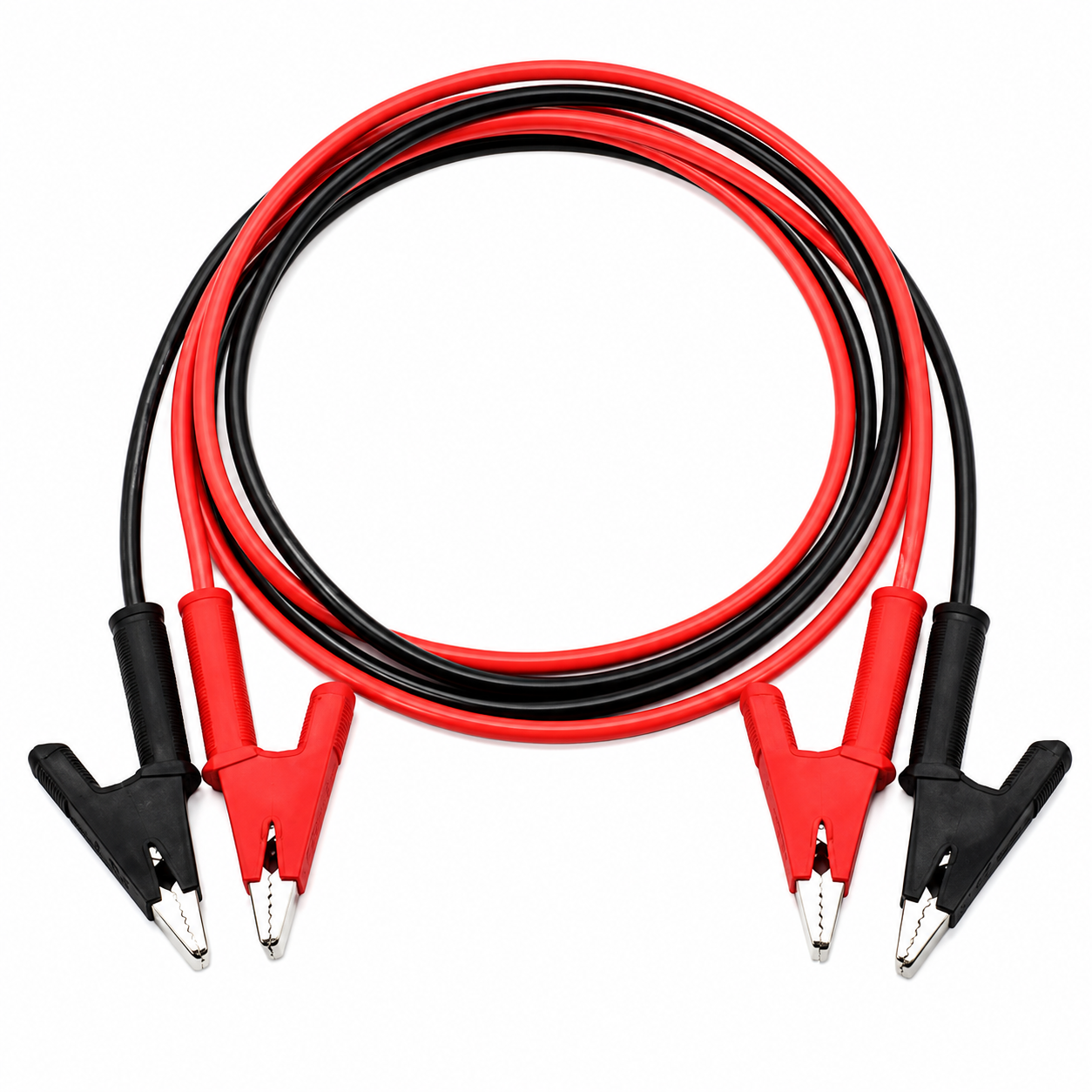
Custom Jumper Cable Manufacturer
OEM jumper cable development and manufacturing for automotive brands, tool companies, distributors, fleet programs and long-term supply projects.
Develop jumper cables around real vehicle, channel and product requirements rather than selecting a generic cable from stock.
- Conductor material, wire gauge, cable length and jacket configuration
- Insulated clamps, heavy-duty clamps and quick-connect structures
- Prototype development, specification confirmation and production preparation
- Private label bags, retail boxes, barcodes, instructions and export cartons
- 18 Years
- 20000+ m²
- 1500+ People
- 3 Manufacturing Bases
OEM Jumper Cable Manufacturing at a Glance
A complete jumper cable program involves more than cable color and printed packaging. Conductor structure, cable length, clamp contact, voltage drop, jacket flexibility, labeling and production consistency must be reviewed together before sampling and bulk manufacturing.
Custom Cable Gauge
Wire gauge influences resistance, cable weight, flexibility, package size and material cost. A longer cable may require a different conductor configuration from a shorter model serving the same vehicle group. Cablivo reviews the requested gauge together with cable length, conductor material, intended application and target positioning before preparing a sample. Final specifications should define the actual conductor construction rather than relying only on the printed gauge name.
Conductor Material
Copper-focused constructions and cost-oriented conductor alternatives can be discussed according to the intended product level. Conductor selection affects resistance, heat generation, cable weight, flexibility and labeling accuracy. OFC or CCA requests should be confirmed through actual material specifications and agreed inspection criteria. Material descriptions printed on the cable, package or instruction card must match the approved construction used for bulk production.
Clamp Configuration
Clamp performance depends on jaw material, effective contact area, spring force, insulation coverage and the connection between the cable and clamp. Options may include insulated automotive clamps, reinforced heavy-duty clamps or quick-connect structures. Cablivo reviews clamp drawings, reference photos, samples or functional requirements before sourcing and assembly. Clamp construction should be verified through sample handling and project-specific inspection rather than judged only by external appearance.
Sample Development
Prototype development helps confirm cable length, conductor structure, clamp fit, color, printing, coiling, storage and packaging before bulk production. Sample feedback can be recorded and reviewed before preparing a revised version. Once the final sample is approved, the agreed specification, material list, printing file, packaging artwork and inspection criteria become the main references for production preparation.
Performance Testing
Testing requirements depend on conductor construction, cable length, clamp design, vehicle application and target market. Common checks may include conductor cross-section verification, resistance measurement, connection inspection, pull-force evaluation, polarity identification, appearance inspection and packaging checks. Voltage-drop or temperature-rise testing can be discussed when required by the product program. Test methods and acceptance criteria should be confirmed before production.
Private Label Packaging
Jumper cables can be supplied with carrying bags, poly bags, retail boxes, color boxes, instruction cards, barcode labels, SKU labels and export cartons. Packaging selection affects cost, minimum order quantity, carton dimensions and production timing. Artwork, warnings, product descriptions, barcodes and importer information should be provided or approved before packaging production. Multi-SKU programs require clear file naming and carton separation.
Who We Manufacture Jumper Cables For
Different sales channels require different jumper cable constructions, packaging systems and inspection priorities. Product planning begins with the intended user, vehicle group, sales environment, expected use frequency and long-term purchasing model.
Automotive Brands
Automotive accessory brands often require a complete product identity rather than an unbranded cable. Cable color, printed specifications, clamp appearance, storage method, instruction design and retail packaging need to follow one visual system. Approved samples and controlled production files help preserve the same appearance and construction across repeat orders. Product claims should also match the actual conductor, clamp and test configuration.
Professional Tool Brands
Tool brands usually focus on repeated handling, secure clamp contact, cable flexibility, storage convenience and a professional visual finish. Product development may involve heavier conductor options, reinforced clamp structures, longer lengths or workshop-oriented packaging. Engineering review should cover how the cable is coiled, carried, stored and used around service bays. Wear points and cable-to-clamp connections deserve particular attention during sampling.
Importers and Distributors
Importers and distributors often manage several lengths, gauges, clamp versions and package formats. Clear SKU records, barcodes, carton marks and packing quantities reduce receiving errors and repeat-order confusion. A structured RFQ should list quantity per model, target market, packaging type and shipment destination. Production and packing files should remain separated by SKU throughout manufacturing, inspection and loading preparation.
Retail Programs
Retail programs require products that arrive ready for warehouse handling and shelf presentation. Product dimensions, coiled size, bag or box construction, instruction card, warning content, barcode position and master carton information all affect final delivery. Packaging should protect the clamps while keeping the cable easy to remove and repack. Retail artwork and regulatory wording must be approved before packaging materials enter production.
Fleet Service Suppliers
Fleet maintenance and roadside service programs may require cables designed for more frequent use, larger vehicles or workshop storage. Length, flexibility, clamp contact and storage durability become important during repeated handling. Product planning should consider the types of vehicles served, frequency of use, working environment and replacement cycle. Special test or inspection requirements can be added to the project specification before sampling.
Equipment Companies
Agricultural, construction, towing and industrial equipment companies may require heavy conductor structures, reinforced clamps, quick-connect interfaces or application-specific cable assemblies. Projects often begin with equipment photos, battery access information, existing samples or interface requirements. Cable routing, storage space, environmental exposure and connection method should be reviewed before selecting a structure. Engineering discussion is more reliable than choosing a standard retail model.
Custom Jumper Cable Product Range
Product families can be developed for different vehicle groups, operating environments and retail positions. Each model should be supported by a defined conductor, length, clamp, jacket, packaging and inspection specification.

Light-Duty Jumper Cables
Light-duty models are generally developed for compact vehicle accessory programs, entry-level retail ranges and emergency storage kits. Product planning usually emphasizes compact coiling, controlled package size, easy clamp handling and clear polarity identification. Conductor material, wire gauge and cable length still require careful confirmation because a visually thick jacket does not prove electrical capability. Final claims should follow actual resistance and project testing data.

Standard-Duty Booster Cables
Standard-duty booster cables can serve mainstream automotive accessory brands, distributors and retail programs. A balanced configuration should consider conductor performance, storage convenience, clamp size, handling feel and target price. Packaging may include a zip bag, color box or compact emergency kit. Cable printing should identify only approved specifications. Sample evaluation should include clamp handling, cable coiling, color consistency and packaging fit.

Heavy-Duty Jumper Cables
Heavy-duty models require closer review of conductor cross-section, total cable length, cable-to-clamp connection and effective clamp contact. A larger outer diameter alone does not define performance. Product development should connect the electrical target with actual materials, resistance criteria and mechanical construction. Reinforced storage bags, larger clamps and more durable packaging may also be required because finished products are heavier and occupy more carton space.

Extra-Heavy-Duty Cables
Extra-heavy-duty programs may serve commercial vehicles, service workshops, agricultural equipment or industrial applications. Specifications should be built from actual application information rather than marketing amperage alone. Conductor structure, cable length, clamp design, connection method and handling environment all affect the final design. Special resistance, voltage-drop, temperature-rise or mechanical inspection requirements can be discussed before sampling and documented in the project file.

Truck Jumper Cables
Truck-oriented products may require longer cables, larger clamps, reinforced connections and packaging suitable for fleet storage. Vehicle type, battery arrangement, access location and service environment should be reviewed before confirming a specification. Long cables require careful resistance control, while oversized clamps can increase storage volume and package cost. Product documentation should clearly separate truck-oriented configurations from lighter retail models.

Quick-Connect Cables
Quick-connect jumper cables can support recovery vehicles, workshops, service fleets or equipment with a prepared battery connection. Connector type, polarity, cable exit direction, current requirement and mounting arrangement should be confirmed before sample development. A quick connector should not be selected from appearance alone. Mating compatibility, cable termination, strain protection and storage arrangement need verification through physical samples and agreed inspection criteria.

Jumper Cable Harnesses
Jumper cable harnesses may combine clamps, quick connectors, ring terminals, protective sleeves or equipment-side connections. Projects often begin with a drawing, old sample, connection photo or equipment layout. Branch lengths, terminal orientation, polarity, labels and installation space should be reviewed before production. Harness-style products are best managed through an approved drawing, final material list and clearly defined electrical and mechanical inspection points.

Emergency Cable Kits
Emergency kits can combine jumper cables with gloves, instructions, reflective accessories, basic roadside tools or a branded storage bag. Kit development requires more than selecting individual products. Item lists, quantities, package layout, barcode placement, warning content, carton configuration and missing-item inspection should be planned before production. All third-party accessories should be approved through samples and supplier documentation before kit assembly.
Select the Right Jumper Cable Configuration
A reliable configuration starts with the vehicle group, cable length, expected use frequency, storage environment and sales positioning. Gauge, conductor and clamp choices should be reviewed as one system rather than isolated specifications.
Application
Product Direction
Main Review Points
Packaging Direction
Compact passenger vehicles
Light or standard duty
Conductor structure, manageable cable length, insulated clamps, compact storage
Zip bag, poly bag or compact retail box
SUVs and pickup trucks
Standard or heavy duty
Lower resistance direction, larger clamps, cable flexibility, storage space
Reinforced carrying bag or retail box
Commercial vehicles
Heavy duty
Conductor cross-section, longer length, clamp contact, connection strength
Heavy storage bag or workshop packaging
Fleet maintenance
Professional repeated-use model
Clamp durability, cable handling, inspection plan, replacement identification
Reusable bag with clear model label
Agricultural equipment
Application-specific heavy cable
Battery access, equipment layout, dirt exposure, cable routing
Industrial packaging or equipment kit
Construction equipment
Heavy or quick-connect model
Connection method, cable length, clamp or connector protection
Workshop bag, box or equipment-side storage
Roadside service
Multi-vehicle program
Several lengths or ratings, quick access, frequent coiling
Durable branded carrying case
Retail distribution
Multi-SKU product family
Product hierarchy, barcode, instructions, carton separation
Channel-specific private label packaging
Common Jumper Cable Sourcing Risks
Many product failures begin with an incomplete specification rather than an obvious production defect. Conductor, length, clamp design, material identity, packaging files and approved samples need clear control before bulk manufacturing begins.
Misleading Wire Gauge
A printed gauge does not always prove the actual conductor cross-section inside the jacket. Excess insulation, reduced conductor area or inconsistent strand construction can create a cable that looks substantial but carries more resistance than expected. Product review should connect the printed specification with measurable conductor and resistance criteria.
- Confirm actual conductor construction
- Define acceptable resistance criteria
- Match cable printing with approved materials
- Retain reference samples for repeat orders
- Avoid performance claims based only on outer diameter
Length Without Recalculation
Increasing cable length without reviewing the conductor can raise resistance and voltage drop. A specification developed for a shorter model should not be copied automatically into a longer SKU. Length, conductor structure, clamp connection and intended use need joint evaluation.
- Submit quantity per length
- Review long and short models separately
- Confirm finished-length tolerance
- Consider coiled dimensions and carton size
- Set testing requirements by model where necessary
Weak Clamp Contact
Large clamps may still perform poorly when contact material, effective jaw area or spring force is inadequate. Clamp shape also affects access around battery terminals. A secure connection depends on more than clamp size or painted appearance.
- Insulation discussion
- Inspect spring action and alignment
- Confirm insulation coverage
- Check cable-to-clamp connection
- Test handling on representative terminals
- Approve the exact clamp version before production
Material Substitution
Unapproved changes to conductor, jacket, clamp components or packaging can create differences between the sample and bulk order. Material control begins with a final material list and continues through incoming inspection, production records and outgoing checks.
- Freeze approved material descriptions
- Record approved supplier or component references
- Review substitutions before use
- Separate appearance and functional changes
- Retain updated files after every approved revision
Unclear Test Criteria
Terms such as “heavy duty” or “high current” are not complete inspection requirements. Different product programs may require resistance, voltage-drop, temperature-rise, pull-force, polarity, appearance or packaging checks. Methods and acceptance limits should be agreed before production.
- Define required test items
- Confirm sample size and inspection stage
- Separate routine checks from special tests
- Record accepted test methods
- Avoid unsupported amperage claims
- Match product descriptions with verified results
Packaging File Errors
A functional cable can still fail at the warehouse or retail stage when barcode, SKU, warning, instruction or carton information is wrong. Packaging files should be controlled with the same care as the product specification.
- Use clear artwork version numbers
- Match barcodes to SKU records
- Approve instruction and warning content
- Confirm units per bag, box and carton
- Inspect packaging before shipment
- Separate multiple models throughout packing
Jumper Cable Customization Options
A branded jumper cable program can be developed around product performance, vehicle group, retail positioning and logistics requirements. Every option should enter an approved specification before sampling and production.

Conductor Material
Conductor selection affects resistance, flexibility, cable weight, cost and product labeling. Copper-focused configurations may suit premium or professional programs, while cost-oriented alternatives may be reviewed for value ranges. Material names printed on packaging should reflect the approved construction.
- Copper or project-specified conductor
- Strand construction review
- Conductor cross-section confirmation
- Resistance requirement discussion
- Cable weight and flexibility evaluation
- Material labeling approval

Wire Gauge
Wire gauge should be selected with cable length, intended application, conductor material and product position. A gauge name alone cannot define finished performance. Actual conductor data and agreed inspection methods provide stronger control.
- Gauge options reviewed by application
- Actual conductor structure recorded
- Finished cable diameter confirmed
- Length and gauge assessed together
- Printed gauge matched with specification
- Separate specifications for different SKUs

Cable Length
Cable length affects vehicle access, voltage drop, product weight, coiling, package dimensions and freight volume. Multi-length programs need a clear quantity breakdown and separate identification for every model.
- Custom finished length
- Length tolerance discussion
- Quantity per length
- Cable marking by model
- Coiled-size confirmation
- Carton loading evaluation
- Separate barcode and SKU records

Clamp Type
Clamp selection may include compact insulated clamps, reinforced automotive clamps, professional service clamps or application-specific quick-connect structures. Final selection should be based on terminal access, contact design, handling and storage.
- Clamp body size
- Jaw shape and material
- Insulation color
- Spring force direction
- Cable connection structure
- Logo or surface marking
- Sample approval before bulk use

Jacket Material
Jacket material influences flexibility, surface feel, abrasion behavior, cold handling, color consistency and manufacturing process. Material performance should be discussed according to the operating environment and target market.
- PVC, TPE, TPU or project-specified options
- Required flexibility
- Surface finish
- Red and black color matching
- Printed text adhesion
- Environmental requirement review
- Material documentation discussion

Cable Printing
Printing can include brand name, model, gauge, length, conductor description, warning information or traceability codes. Every printed claim must match the approved construction and verified project documents.
- Brand or model printing
- Gauge and length marking
- Color and print contrast
- Repeating print interval
- Traceability information
- Artwork approval
- Production sample comparison

Storage Solution
Storage affects perceived value and everyday usability. Options can range from simple poly bags to reinforced zip bags, molded cases or emergency kit packaging. Larger and heavier cables require stronger handles, zippers and internal space.
- Zip bag
- Drawstring bag
- Retail carton
- Hard case discussion
- Internal strap or divider
- Logo position
- Instruction storage
- Finished packed-size confirmation

Retail Packaging
Private label packaging should connect product protection, sales presentation, warehouse identification and export handling. Artwork needs final approval before printing, while carton information should match the packing list and SKU structure.
- Retail box or color box
- Product photography
- Instruction card
- Barcode and SKU label
- Warning information
- Importer details
- Carton mark
- Pack quantity and carton size
Conductor Material and Wire Gauge Decisions
Conductor construction and cable length determine far more than appearance. Resistance, voltage drop, flexibility, finished weight, clamp connection and package dimensions all begin with a clearly defined internal cable structure.
Why Outer Diameter Can Be Misleading
A thick jumper cable may contain a substantial conductor, a heavy insulation wall or a cost-oriented conductor with different electrical characteristics. Visual size alone cannot establish performance. A usable specification should describe conductor material, conductor cross-section, strand structure, insulation construction, finished diameter, cable length and relevant inspection requirements.
For premium programs, copper-focused structures may support lower resistance and stronger product positioning. Value-oriented programs may consider other conductor structures, but package descriptions and printed claims must remain accurate. Substituting material after sample approval can change resistance, weight, flexibility and handling, even when the outside appearance remains similar.
Longer cables require particular attention. Resistance increases with length, so extending a model without reviewing conductor construction may reduce available starting performance. Cable gauge, length and clamp connection should therefore be reviewed together.
- Conductor material
- Actual conductor cross-section
- Strand quantity and construction
- Finished cable length
- Insulation and jacket structure
- DC resistance criteria
- Printed specification
- Approved reference sample
Building a Clear Gauge and Length Matrix
A product family often contains several lengths and duty levels. Each combination should receive its own SKU, quantity, conductor specification, clamp version, package and inspection record. Copying one specification across every length creates unnecessary risk.
A useful matrix starts with the intended application. Compact emergency models may prioritize storage size and easy handling. Professional or heavy-duty models may prioritize lower resistance, reinforced connections and larger clamps. Fleet or equipment programs may also require quick connectors, longer reach or application-specific storage.
Final product development should record measurable information rather than relying on names such as “professional,” “heavy duty” or “super power.” Marketing descriptions can be created after the conductor and test plan are approved.
- Target vehicle or equipment group
- Battery system information
- Requested cable length
- Requested gauge
- Preferred conductor material
- Existing sample or competitor reference
- Expected order quantity
- Target sales market
- Required tests
- Packaging format
Clamp Design for Reliable Battery Contact
Clamp quality affects contact stability, ease of use, polarity protection and long-term handling. Jaw material, spring action, insulation, cable termination and battery access should be reviewed before approving a final structure.
Contact Area, Jaw Material and Spring Action
A clamp transfers power through the points where its conductive jaws meet the battery terminal. Large external dimensions do not guarantee a strong electrical connection. Effective contact area, jaw material, surface condition, alignment and spring action all influence the connection.
Clamp development should consider the intended vehicle group. Compact clamps may offer easier storage but limited access or contact area. Larger professional clamps may provide stronger contact but increase cable weight, package dimensions and handling force. Insulated covers reduce accidental contact risk, yet the insulation must remain secure during repeated opening and closing.
Cablivo can review clamp samples, drawings, photos or required dimensions before sourcing and assembly. Incoming inspection can focus on appearance, spring action, jaw alignment and agreed component details. More advanced mechanical or electrical checks can be added according to the product program.
- Jaw material
- Effective contact area
- Spring action
- Jaw alignment
- Insulation coverage
- Red and black identification
- Clamp opening range
- Cable attachment method
- Surface finish
- Approved sample reference
Cable-to-Clamp Connection and Strain Protection
The cable-to-clamp transition carries both electrical current and mechanical stress. Poor stripping, loose fastening, limited conductor contact or weak strain protection can create heat, resistance and early mechanical failure.
Connection methods should be selected according to clamp structure and conductor size. The approved sample should show how the conductor is prepared, connected, insulated and protected from repeated bending. If a molded or sleeved protection structure is used, material and shape should be included in the production file.
Handling tests can focus on opening and closing the clamp, bending near the connection point, inspecting insulation movement and applying an agreed pull-force method. Electrical checks may include resistance or voltage-drop evaluation when required. Acceptance criteria should be confirmed before bulk production.
- Stripping length
- Conductor condition
- Attachment method
- Contact surface
- Fastener or crimp security
- Insulation coverage
- Strain protection
- Pull-force requirement
- Resistance requirement
- Visual acceptance sample
Jacket Flexibility and Environmental Requirements
Jumper cables may be stored in trunks, workshops, service vehicles or equipment compartments for long periods. Jacket selection should balance flexibility, abrasion behavior, color, printing, coiling and environmental requirements.

Cold-Weather Handling
Cold conditions can make unsuitable jacket materials stiff and difficult to uncoil. Product planning should begin with the intended climate, storage location and required handling feel. Any specific temperature requirement must be confirmed through material documentation and an agreed test method.
- Define target climate
- Review storage conditions
- Confirm required flexibility
- Approve cold sample handling
- Discuss low-temperature testing
- Avoid unsupported temperature claims

Abrasion Exposure
Workshop floors, vehicle trunks and equipment storage areas can expose cable surfaces to repeated rubbing. Jacket material, thickness, surface texture and storage packaging influence how the cable handles wear.
- Review expected use frequency
- Discuss abrasion exposure
- Evaluate jacket surface
- Protect clamp connection areas
- Consider storage bag durability
- Define appearance acceptance standards

Oil and Workshop Use
Automotive service environments may involve oil, dirt, cleaners and rough storage. Resistance to specific substances should never be assumed from a generic material name. Required chemical exposure and test conditions need to be provided before material selection.
- Identify possible fluid exposure
- Define contact duration
- Review material options
- Confirm required documentation
- Arrange project-specific testing
- Approve samples before production

Color Identification
Red and black identification helps distinguish polarity during use. Color standards should be defined through approved samples or color references. Cable, clamp insulation, printing and package artwork need coordinated color control.
- Confirm red and black shades
- Match clamp and cable colors
- Approve printing contrast
- Retain color reference samples
- Check production consistency
- Inspect packed-product identification

Coiling and Storage
Cable flexibility affects how easily the product can be coiled, packed and returned to its storage bag. Heavy or long models require more internal space and stronger packaging.
- Confirm preferred coil diameter
- Measure packed dimensions
- Review bag opening size
- Test zipper and handle strength
- Add straps if required
- Evaluate carton loading efficiency

Surface Printing
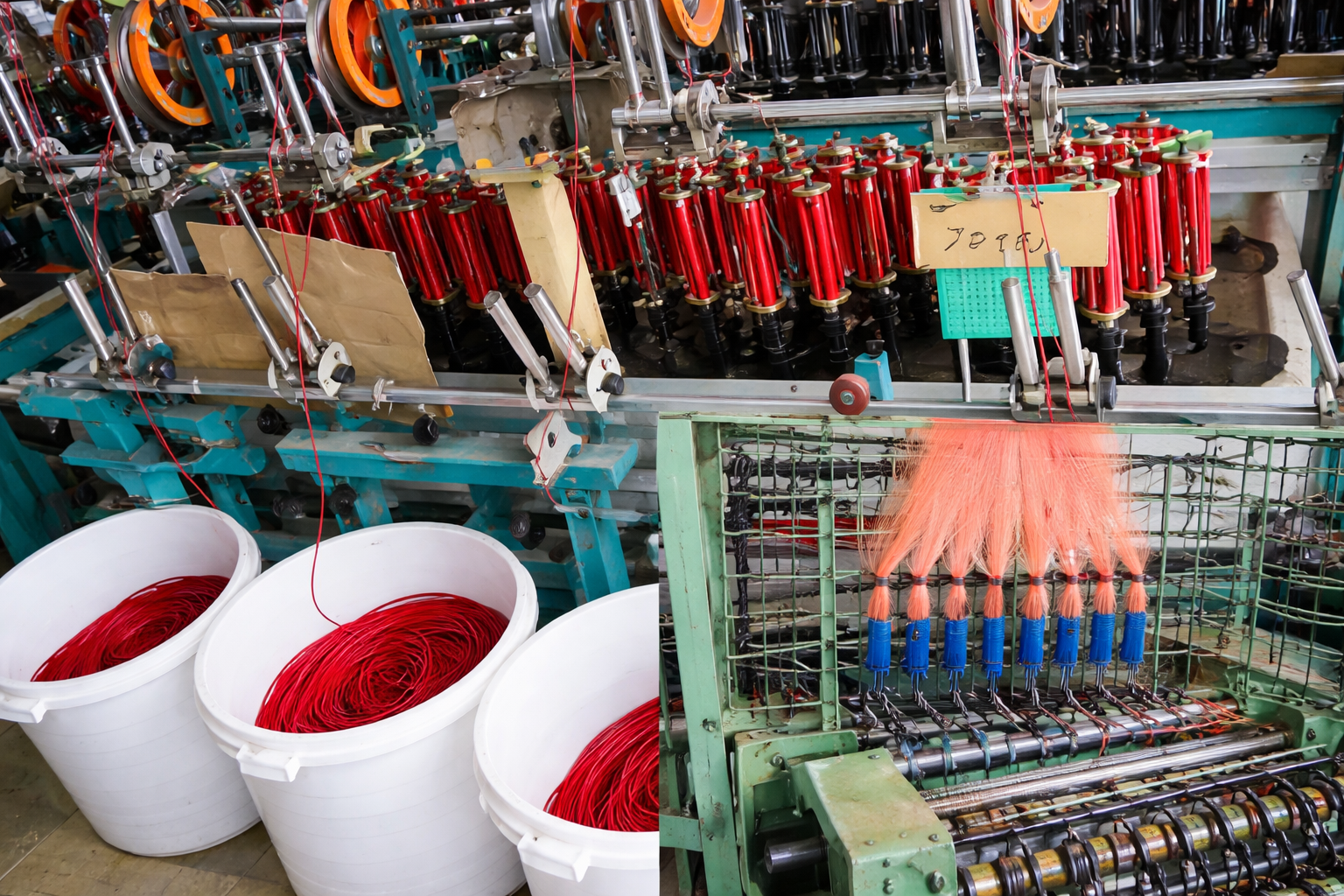
Cable printing can identify brand, model, gauge, length or safety information. Ink adhesion and legibility depend on the jacket surface and production process.
- Submit final artwork
- Confirm print content
- Approve print interval
- Match wording with actual materials
- Review adhesion requirements
- Inspect text before packaging
Engineering Review Before Jumper Cable Sampling
A stronger sample begins with complete application and specification information. Cablivo reviews product use, conductor, length, clamp, jacket, packaging and inspection requirements before preparing the prototype direction.
Application Review
Product planning starts with the intended vehicle or equipment group, frequency of use, storage environment and sales channel. A compact emergency product and a professional fleet cable should not share the same assumptions.
- Vehicle or equipment type
- Intended use frequency
- Storage location
- Climate and working environment
- Target retail or industrial channel
- Existing product concerns
Voltage Information
Battery system information and intended connection method should be provided before sampling. The project team should also identify whether the cable is a conventional clamp-to-clamp product, a quick-connect assembly or an equipment-specific harness.
- Battery system information
- Connection method
- Polarity arrangement
- Equipment interface
- Existing cable reference
- Special warning requirements
Gauge and Length
Gauge and length need joint review because both influence resistance, weight, flexibility, coiled size and cost. Multi-length programs should include quantity per model.
- Requested gauge
- Actual conductor requirement
- Finished length
- Length tolerance
- Quantity per length
- Target packed dimensions
Conductor Selection
Conductor material should match product positioning, performance requirements, labeling and budget. Any requested OFC or CCA description needs confirmation through the final material specification.
- Preferred conductor
- Strand construction
- Resistance requirement
- Weight considerations
- Printed material claims
- Material documentation needs
Clamp Confirmation
Clamp type should be supported by photos, samples, dimensions or functional requirements. Jaw material, opening range, spring action, insulation and connection method need confirmation.
- Clamp photos
- Jaw dimensions
- Contact material
- Opening requirement
- Insulation colors
- Logo or marking requirement
Packaging Requirements
Packaging affects product protection, sales presentation, barcode management, carton size and shipment cost. Artwork and labeling files should enter the review before final quotation.
- Bag or box type
- Logo files
- Instruction card
- Barcode and SKU
- Warning content
- Units per carton
- Shipping destination
From Specification to Approved Jumper Cable Sample
Prototype development turns product requirements into a physical reference for conductor, clamp, appearance, packaging and inspection. An approved sample provides a clearer basis for production than descriptions, photos or quotation notes alone.
Review Requirements
Cablivo reviews application details, requested gauge, conductor, cable length, clamp style, color, printing, quantity, packaging and testing requirements. Incomplete information does not prevent an initial discussion, but missing details should be resolved before final sampling. Existing samples, product photos and packaging references can help clarify the intended result.
Confirm Materials
Conductor, jacket, clamp components, printing and packaging materials are confirmed before prototype preparation. Material availability, custom colors, special clamps or tooling may affect cost and timing. Any required material documents or target-market requirements should also be discussed during the confirmation stage.
Build Prototype
The first prototype is prepared according to the reviewed specification. Production records should identify the conductor, finished length, clamp version, color, printing and packaging used. A prototype may focus first on product construction, while final retail packaging can follow after the core cable is approved.
Inspect Sample
Sample inspection may include dimensions, conductor construction, resistance, clamp appearance, connection quality, polarity identification, cable printing, coiling and package fit. Special tests are arranged according to the agreed project plan. Inspection results should be compared with the approved specification rather than generic product claims.
Review Feedback
Feedback can cover performance, handling, clamp operation, cable flexibility, color, printing, package dimensions or artwork. Every requested revision should be recorded clearly before a new sample is prepared. Changes may affect material cost, tooling, sample timing or production preparation.
Approve Final Sample
The accepted sample becomes the reference for final specifications, material records, packaging files and inspection points. Bulk production should not begin until product details, quantity, packaging and commercial terms are confirmed. Approved samples help reduce misunderstandings when repeat orders or additional SKUs are introduced later.
Production Process for Power Cable Assemblies
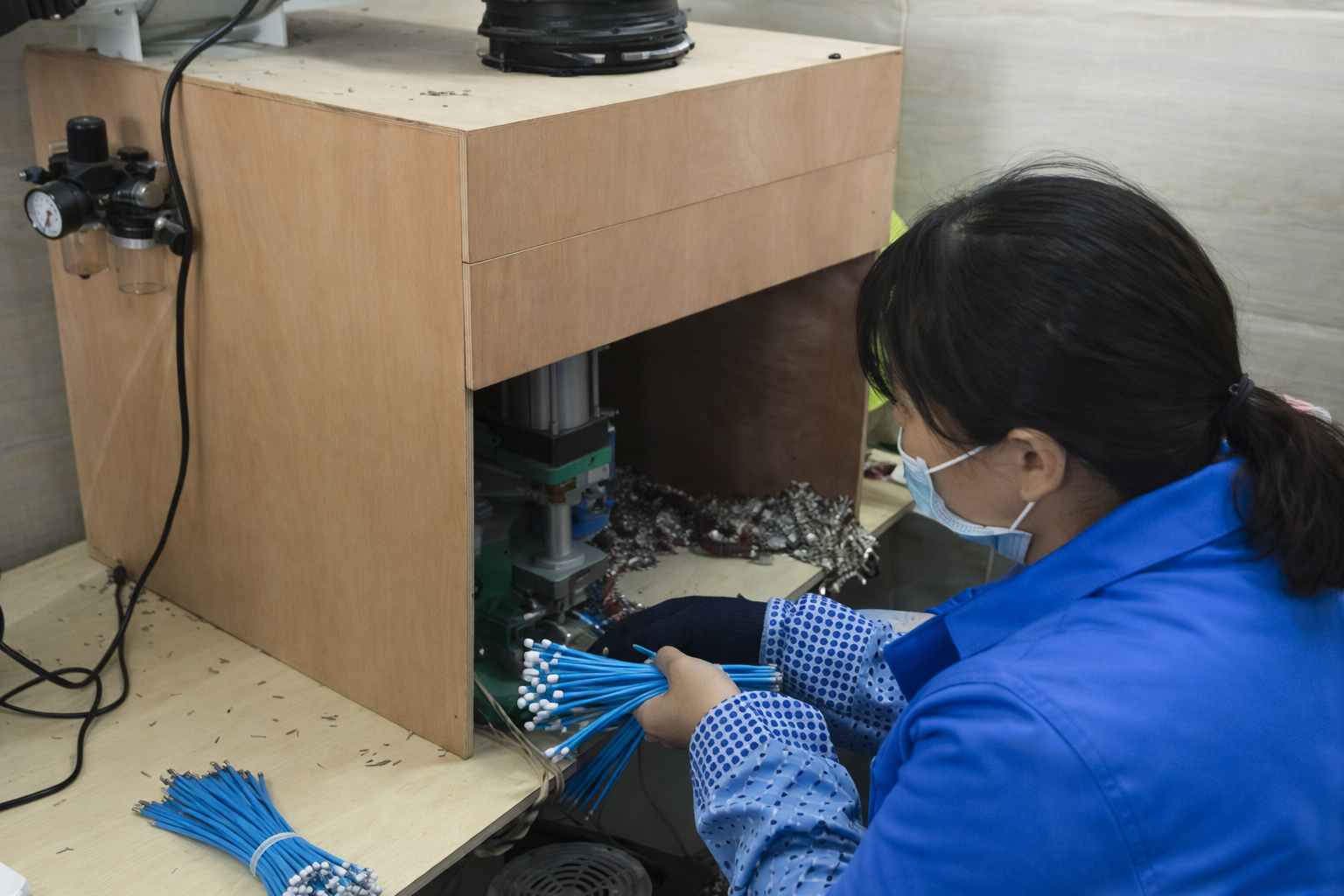
Power cable production may include cutting, stripping, crimping, soldering, overmolding, assembly, testing, labeling and packaging, depending on cable structure.
Typical production flow:

Material and connector preparation

Cable cutting and stripping
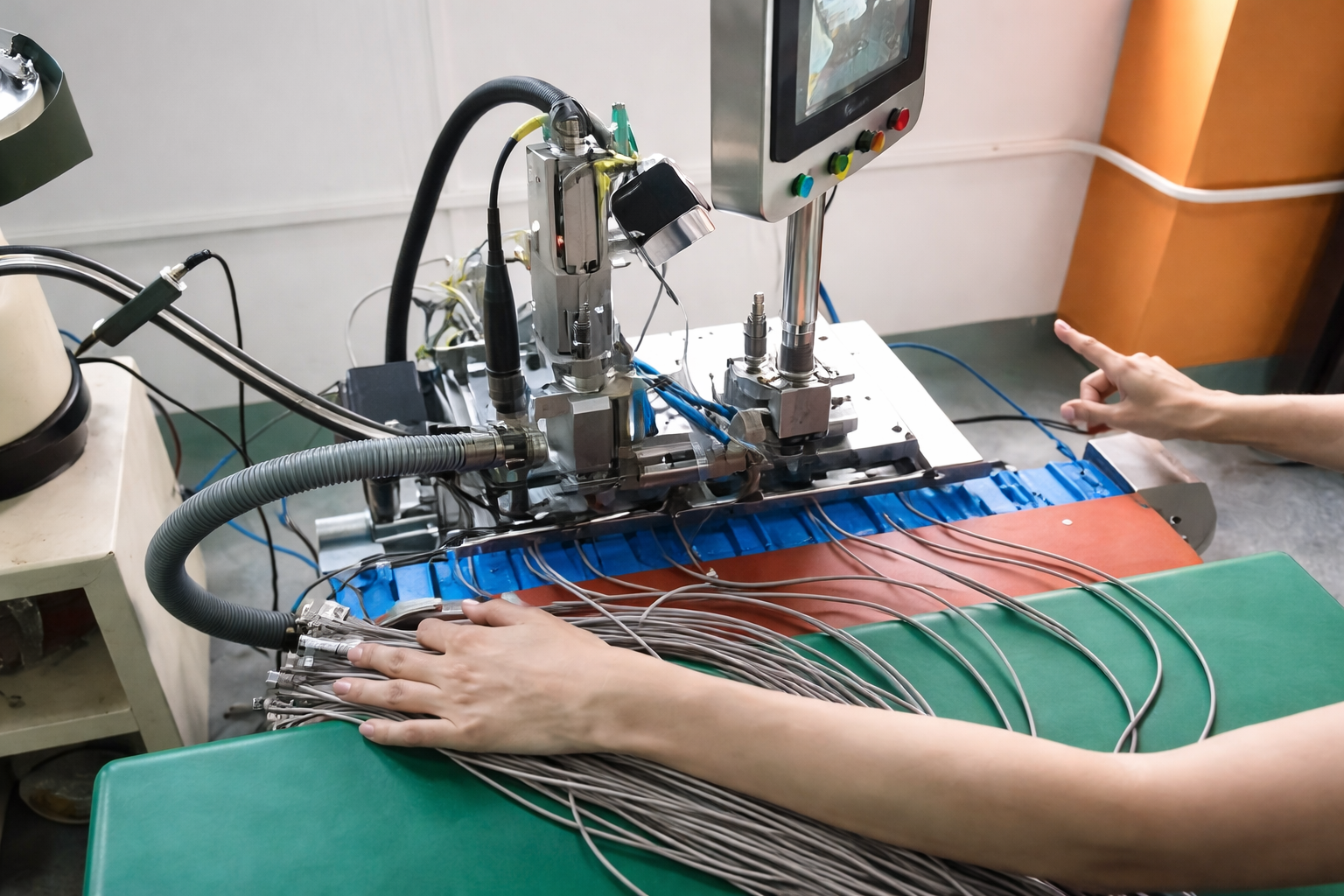
Terminal crimping or soldering

Injection Molding / Connector Assembly
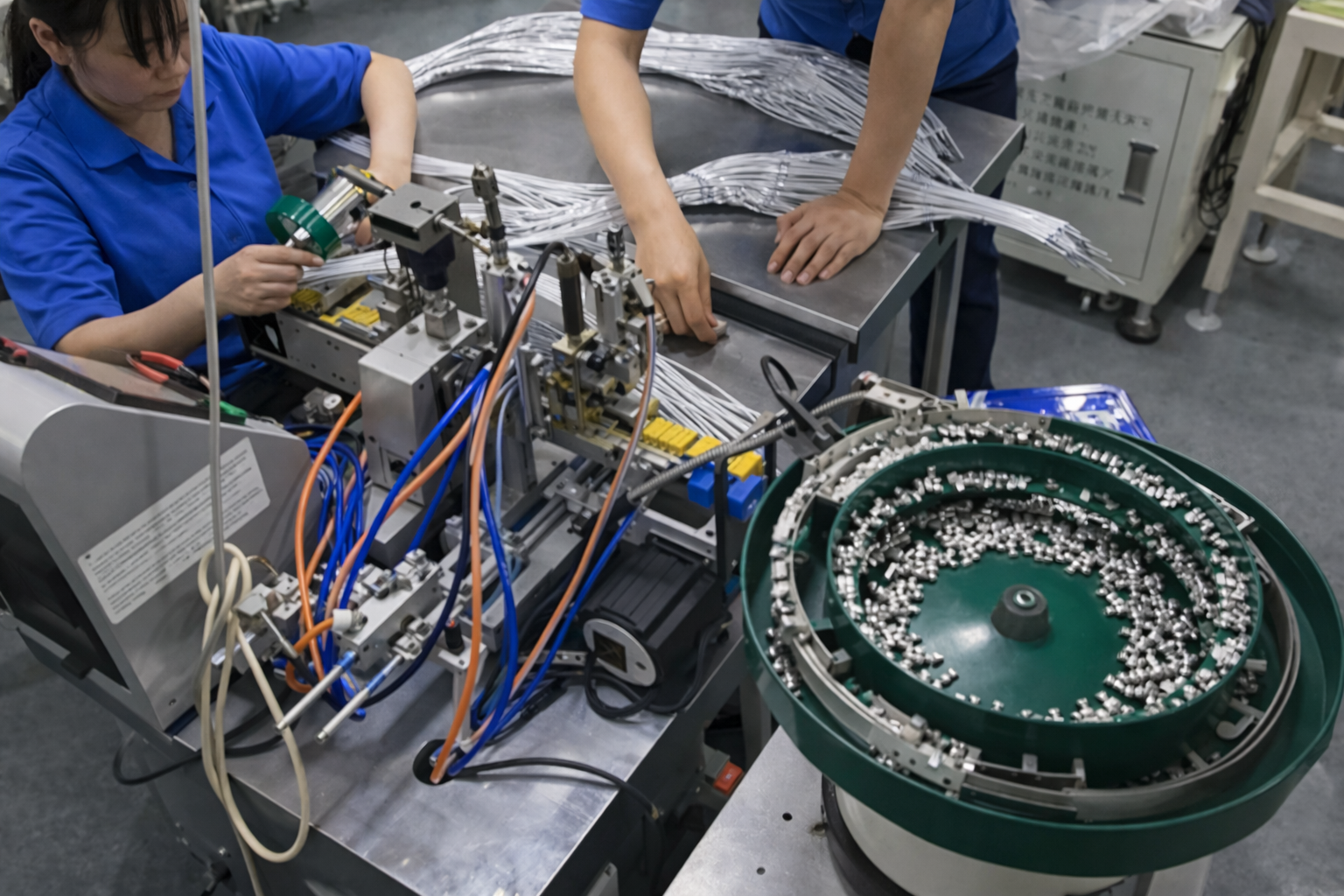
Connector assembly
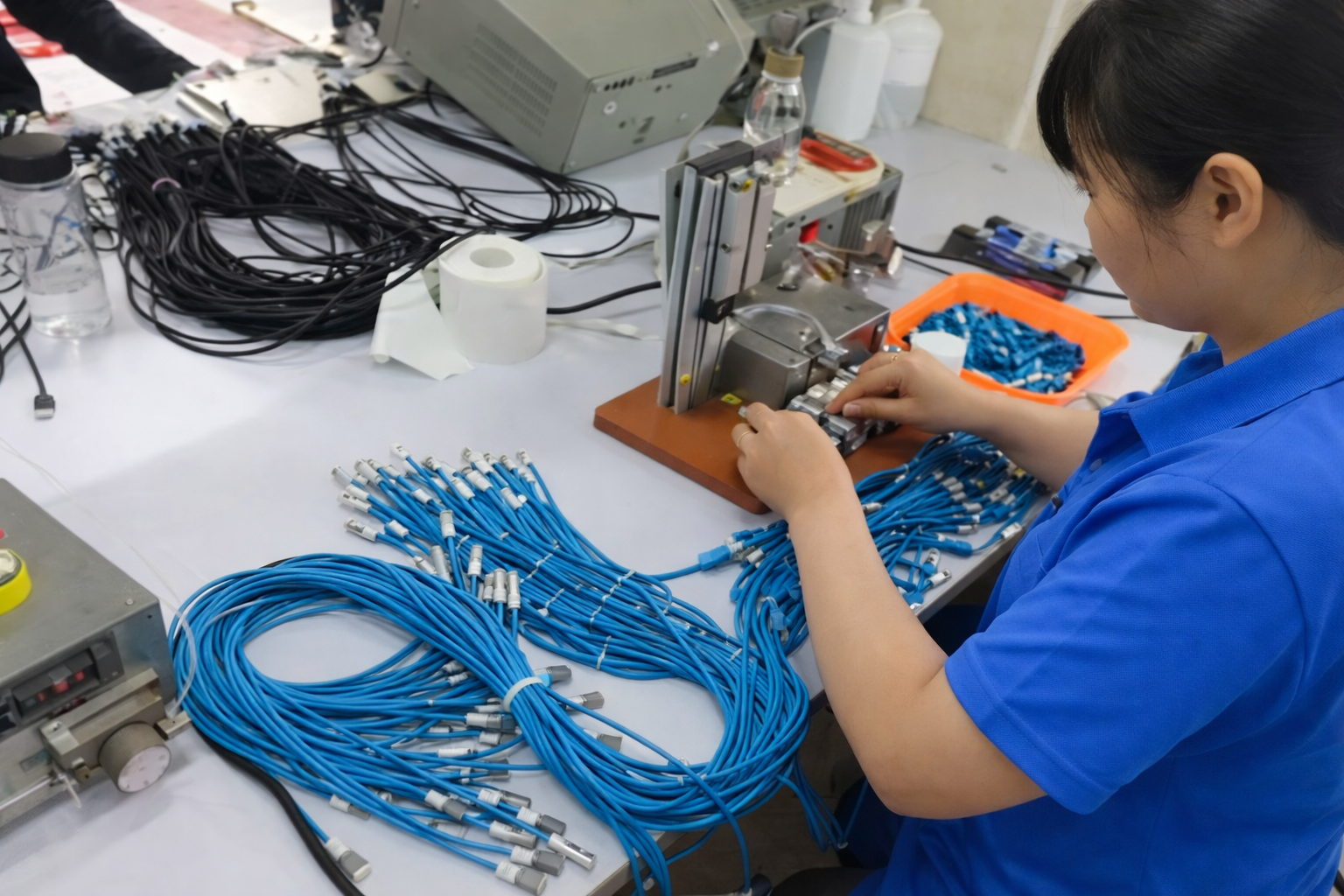
Sleeve, heat shrink or overmold processing
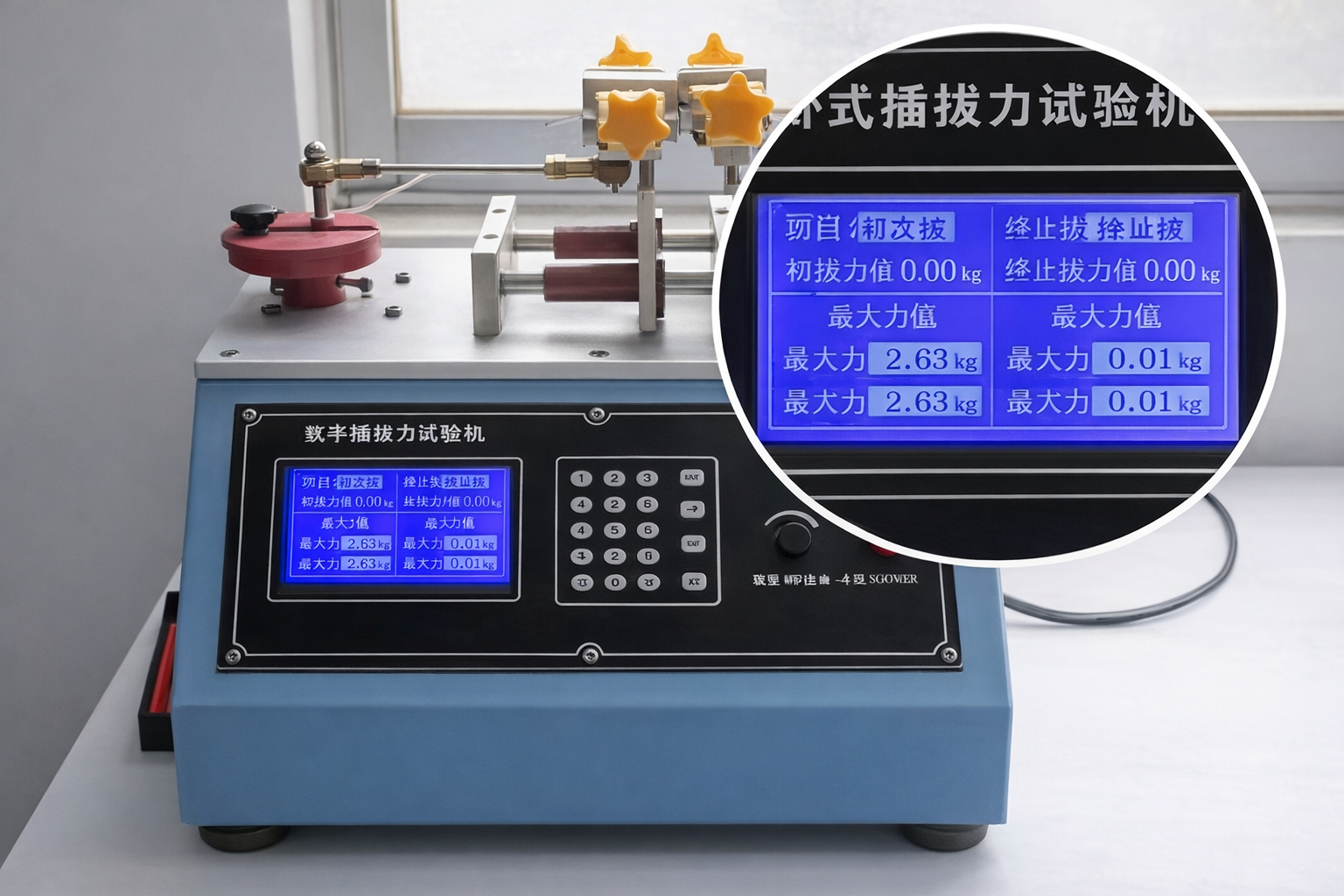
Continuity, polarity or fit check
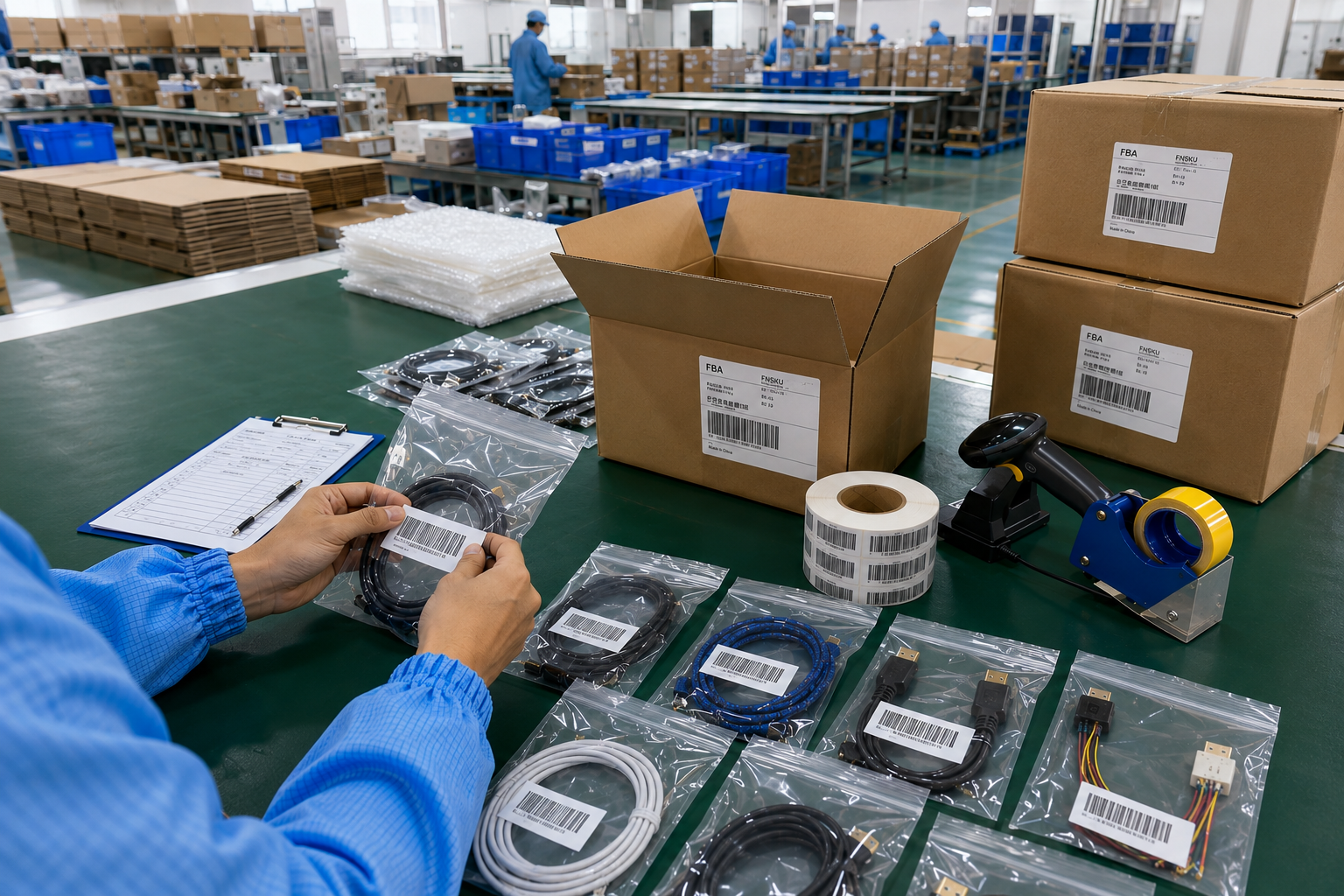
Appearance and label inspection

Packing, carton mark and shipment preparation
Jumper Cable Quality and Performance Test Plan
Inspection should match the approved product structure and intended application. Routine production checks and special performance tests need separate definitions, agreed methods and clear acceptance criteria before manufacturing begins.
Conductor Cross-Section
Conductor verification helps confirm that the internal construction matches the approved specification rather than relying only on cable printing or outside diameter.
- Material identity review
- Strand construction inspection
- Cross-section measurement method
- Comparison with approved sample
- Batch record retention
- Model-specific acceptance criteria
DC Resistance
Resistance measurement provides a useful indicator of conductor and connection consistency. The method, cable length, temperature condition and acceptance range should be agreed before testing.
- Finished cable resistance
- Conductor-only evaluation where required
- Model-specific limits
- Measurement equipment confirmation
- Batch sampling plan
- Result recording
Voltage Drop
Voltage-drop evaluation can be discussed for programs requiring closer electrical performance control. Test current, duration, cable length and connection method must be defined to produce meaningful results.
- Agreed current level
- Agreed test duration
- Clamp contact setup
- Cable length identification
- Voltage measurement points
- Acceptance requirement
- Test report format
Multi-SKU Supply
Clamp inspection focuses on jaw alignment, contact material, spring action, insulation coverage and connection security. Mechanical appearance alone is not enough.
- Jaw contact inspection
- Opening and closing action
- Spring alignment
- Insulation condition
- Cable attachment
- Polarity color
- Sample comparison
Pull-Force Check
Pull-force evaluation can help assess the cable-to-clamp connection or other assembled joints. Test location, force direction and required value should be defined according to the selected structure.
- Test point
- Pull direction
- Required force
- Inspection sample size
- Failure description
- Result recording
- Corrective review where needed
Temperature-Rise Review
Temperature-rise testing may be requested for high-current or professional programs. Test current, duration, ambient condition, clamp connection and measurement positions need clear agreement.
- Current and duration
- Ambient condition
- Measurement points
- Clamp setup
- Safety controls
- Acceptance criteria
- Test frequency
Flexibility Evaluation
Cable handling can be reviewed under normal or specified environmental conditions. Any cold-flexibility or repeated-bending claim needs a defined method and agreed material.
- Required environment
- Conditioning time
- Bend method
- Visual inspection
- Jacket cracking review
- Handling comparison
- Approved sample reference
Packaging Inspection
Packaging inspection confirms that the correct cable, SKU, barcode, instruction, bag or box and carton information are combined.
- Correct product model
- Correct quantity
- Barcode match
- Instruction version
- Warning content
- Package condition
- Carton mark
- Packing list match
Target-Market Standards and Product Information Review
Standards, warnings and documentation vary by product structure and destination. Compliance language should be based on real materials, actual testing and approved files rather than broad claims covering every market.
Reviewing Performance Requirements Before Sampling
Automotive booster cable programs may include requirements related to conductor construction, polarity identification, clamp insulation, user information, packaging warnings and agreed performance tests. Requirements connected with standards such as SAE J1494 can be discussed when relevant to the target program, but compliance should not be claimed without supporting test evidence.
The review should begin with the intended market, sales channel, vehicle group and product claims. A professional tool program may request a different test plan from an entry-level emergency kit. A distributor may require documentation for several SKUs, while a retail chain may focus heavily on instructions, warning content and traceability.
Cablivo can help organize technical and packaging information before sampling. Third-party testing can also be discussed when required. Final responsibility for regulatory text, importer information and market-specific claims should remain clearly assigned and approved.
- Target country or region
- Intended vehicle or equipment group
- Required standard or test method
- Product performance claims
- Warning language
- User instructions
- Material documentation
- Third-party test requirement
- Importer or distributor details
- Record-retention requirements
Keeping Packaging Claims Accurate
Product packaging often presents gauge, length, conductor material, vehicle suitability and current-related claims. Every statement should trace back to an approved specification or verified test result.
Terms such as “professional,” “heavy duty” or “high current” should not replace measurable product information. A strong package can explain the intended use, cable length, conductor description, clamp style, storage method and basic operating warnings without exaggeration.
Barcode, SKU, FBA label, warning label, importer information and instruction content should be provided or approved before packaging materials are printed. Multiple language versions require separate artwork control. Any change to the product construction may also require a review of the package description.
- Gauge and length
- Conductor description
- Clamp description
- Product model
- Instructions
- Warning content
- Barcode
- SKU
- Importer information
- Country-specific wording
- Artwork version
- Approval record
Controlling Sample-to-Production Consistency
Bulk consistency depends on clear references rather than memory or informal messages. Product, material, test, printing, packaging and SKU files should be finalized before production and retained for repeat orders.
Approved Sample
The approved physical sample provides a reference for cable feel, clamp construction, color, printing, coiling and packaging. It should be identified clearly and protected from unrecorded changes.
- Approval date or version
- Product model
- Cable and clamp reference
- Packaging reference
- Agreed deviations
- Storage responsibility
Final Specification
The final specification should record measurable product details rather than broad descriptions. Length, conductor, gauge, jacket, clamp, colors and printing belong in one controlled file.
- Finished length
- Tolerance
- Conductor construction
- Jacket dimensions
- Clamp model
- Printing
- Colors
- Inspection points
Final Material List
A material list connects the approved sample with purchasing and incoming inspection. Component changes should receive review before use.
- Conductor
- Jacket material
- Clamp components
- Insulation parts
- Labels
- Bags or boxes
- Instructions
- Carton materials
Test Criteria
Test items, methods, sample size and acceptance criteria should be confirmed before production begins. Routine production checks and special performance tests should be separated.
- Dimensions
- Resistance
- Clamp inspection
- Pull-force method
- Voltage-drop requirement
- Temperature-rise requirement
- Appearance
- Packaging
Packaging Artwork
Artwork files should include clear version control. Product descriptions, images, barcodes and warnings need approval before printing.
- Artwork version
- Product model
- Barcode
- SKU
- Warning text
- Instruction
- Importer details
- Carton mark
Change Management
Any requested or necessary change should be recorded before implementation. Cost, timing, performance, labeling and packaging impact may need review.
- Change description
- Reason
- Affected SKU
- Sample requirement
- Test requirement
- Artwork impact
- Approval record
- Updated production files
Private Label Jumper Cable Packaging
Packaging protects heavy clamps, organizes long cables, communicates product information and prepares every SKU for retail, warehouse or fleet distribution. Format selection should follow product weight, channel requirements and shipment conditions.

Carrying Bags
Reusable carrying bags help keep jumper cables coiled and separated from other trunk or workshop items. Bag size should follow the finished cable diameter, length, clamp dimensions and preferred coil. Reinforced handles, zippers and fabric weight may be required for heavier products. Brand logo, model label and instruction storage can be added after the bag construction and packed dimensions are approved.

Poly Bags
Poly bags offer a simple format for industrial supply, wholesale distribution or internal equipment kits. Bag thickness, sealing method, warning text and product label should be confirmed according to the intended market. Clamp protection may still be needed to prevent sharp edges or spring pressure from damaging the bag during handling and transport.

Retail Boxes
Retail boxes provide space for product photography, specifications, instructions, warnings and brand presentation. Box dimensions should be developed from the actual coiled product rather than estimated before sampling. Internal supports may be required to control clamp movement. Artwork, barcode, SKU and importer information should receive final approval before printing.

Color Boxes
Color boxes suit branded automotive accessory programs requiring stronger shelf presentation. Product claims must match the approved conductor, length, clamp and test data. A clear internal layout helps prevent clamps from scratching the cable or package. Carton loading should also be checked because oversized retail boxes can increase freight volume considerably.

Instruction Cards
Instruction cards can present connection sequence, polarity identification, operating warnings, storage advice and product information. Technical and legal wording should be supplied or approved for every target market. Graphic steps should match the actual clamp colors and product structure. Multiple languages need separate version control.

Emergency Kits
Emergency kits can combine jumper cables with selected roadside accessories in a branded bag or case. Every included item requires its own specification, quantity and approved sample. Kit assembly should include missing-item checks, product arrangement, barcode control and carton verification. Claims related to third-party accessories should be supported by their actual documentation.
Multi-SKU, Barcode and Carton Control
Several gauges, lengths, clamp styles and packages can enter one order. Clear SKU separation and file control reduce mixing, receiving errors, incorrect barcodes and repeat-order confusion.
Control Area
Required Information
Production Control
Final Check
Project File Review
Unique SKU or model number
Separate work instructions
Match model to package
Cable length
Length per SKU
Separate cutting list
Measure finished product
Conductor
Material and construction
Approved material list
Record or sample verification
Clamp type
Clamp code or approved sample
Component separation
Visual and handling check
Color
Cable and clamp color
Color reference
Compare with approved sample
Printing
Artwork and print interval
Version-controlled printing file
Legibility and content check
Packaging
Bag, box or kit format
Separate packing instruction
Package-type verification
Barcode
Barcode file per SKU
Controlled label printing
Scan and match
Instructions
Language and version
Correct insert allocation
Version confirmation
Carton mark
Model, quantity and destination
Carton label control
Packing list comparison
Quantity
Units per package and carton
Packing count
Final carton count
Repeat order
Previous approved version
Change review
Version release approval
Factory Capabilities Behind Jumper Cable Projects
Cablivo combines conductor preparation, cable manufacturing, assembly, engineering, quality, packaging and export coordination within a manufacturing organization built for project-based cable programs.
18 Years Experience
Eighteen years in cable manufacturing represents long-term involvement in requirement review, material selection, sampling, revision, production, testing, packaging and shipment preparation. Experience becomes valuable when product decisions are recorded and translated into stable manufacturing files.
- Project requirement review
- Material and structure discussion
- Prototype development
- Revision management
- Bulk production preparation
- Packaging coordination
- Repeat-order support
20000+ m² Factory
More than 20000 square meters of factory space provides a manufacturing base for conductor processing, cable extrusion, assembly, overmolding, inspection, packaging, storage and shipment preparation. Space alone does not guarantee quality, but organized production areas support several project types and production stages.
- Material preparation
- Cable production
- Assembly operations
- Inspection areas
- Packaging preparation
- Warehouse handling
- Shipment coordination
1500+ Person Team
A 1500+ person organization supports cooperation across engineering, quality, purchasing, production planning, warehouse, overseas sales, order follow-up and shipping. Cross-department coordination helps move project information from inquiry through sampling and manufacturing.
- Engineering review
- Quality control
- Purchasing
- Production management
- Warehouse handling
- Order follow-up
- Export shipping
3 Manufacturing Bases
Three manufacturing bases provide a foundation for production coordination and multiple project programs. Actual production allocation depends on product structure, materials, equipment, order quantity and schedule.
- Project allocation
- Production coordination
- Equipment matching
- Material planning
- Multiple order management
- Shipment preparation
- Long-term supply discussion
80+ Injection Machines
More than 80 injection molding machines support molded and overmolded cable programs, connector protection, strain relief and related molded structures. For jumper cable projects, molding may be discussed where clamp insulation, terminal protection, quick-connect protection or special strain relief requires a custom structure.
- Molded protection
- Strain relief
- Connector protection
- Color customization
- Surface appearance
- Tooling discussion
- Sample approval
Integrated Cable Processes
Cablivo’s manufacturing system covers conductor preparation, stranding, extrusion, cutting, stripping, crimping, soldering, molding, assembly, inspection and packaging. Every process is selected according to the actual product structure.
- Conductor processing
- Cable extrusion
- Cutting and stripping
- Connection assembly
- Molding where required
- Product inspection
- Packaging and shipment.
Jumper Cable Project Configuration Examples
Product programs can be organized around market position, SKU complexity and application requirements. The following configurations illustrate project planning directions rather than fixed standard models or completed client cases.
Premium Automotive Program
A premium automotive accessory program may prioritize copper-focused conductor construction, controlled resistance, flexible jacket material, reinforced insulated clamps and a high-quality storage bag. Retail artwork can present verified specifications, operating instructions and a clear model hierarchy. Several lengths may share one visual identity while retaining separate product and inspection files.
- Premium conductor direction
- Controlled gauge and length
- Reinforced insulated clamps
- Branded carrying bag
- Retail box or sleeve
- Instruction and warning review
- Separate SKU and barcode
- Project-specific test plan
Distributor SKU Program
A distributor may require several gauges, lengths and packages within one purchase order. Product development should begin with an SKU matrix showing quantity, conductor, clamp type, printing, barcode, package and carton information. Approved samples and files must remain separated throughout production and packing.
- Multiple lengths
- Shared visual system
- Separate product codes
- Barcode control
- Carton separation
- Repeat-order version records
- Packing-list coordination
Heavy Equipment Program
A heavy equipment or fleet program may require a larger conductor, longer cable, reinforced clamp or quick-connect interface. Equipment photos, battery access, storage position and connection method should be reviewed before sampling. Product testing should follow the agreed operating and inspection requirements.
- Equipment application review
- Heavy conductor direction
- Longer reach
- Reinforced connection
- Quick-connect discussion
- Workshop storage
- Mechanical inspection
- Performance test discussion
MOQ, Quotation and Production Planning
Quotation accuracy depends on a complete specification, quantity breakdown, packaging plan and test requirement. Sample and production schedules are confirmed after materials, clamps, tooling and final files are reviewed.
Project Factor
Information Required
Commercial Impact
Product structure
Standard clamp, reinforced clamp, quick connector or harness
Affects materials, process and tooling
Conductor
Material, cross-section and construction
Affects performance, weight and cost
Gauge
Requested gauge and actual conductor requirement
Affects material use and package size
Cable length
Quantity per length
Affects resistance, weight, cost and carton volume
Clamp
Model, dimensions, material and insulation
Affects sourcing, assembly and minimum quantity
Jacket
Material, color and printing
Affects production setup and material preparation
Logo
Cable print, bag print or molded mark
May require artwork, plate or tooling
Packaging
Bag, box, instructions and labels
Affects MOQ, printing cost and schedule
SKU count
Models and quantity per SKU
Affects setup, labeling and carton separation
Testing
Routine and special test requirements
Affects sample and inspection planning
Target market
Language, warning and documentation needs
Affects artwork and compliance review
Shipment
Destination and delivery target
Supports carton and schedule planning
Prepare a Complete Jumper Cable RFQ
Clear technical and commercial information allows faster feasibility review, more accurate quotation and a stronger sample plan. Existing products, photos or incomplete notes can still begin a discussion, while missing details are confirmed before sampling.
Technical Information
Technical information defines what needs to be manufactured and how the sample should be evaluated. A complete drawing is useful but not mandatory for the first discussion. Existing jumper cable photos, clamp dimensions, packaging references or an old physical sample can also help clarify the intended result.
- Vehicle or equipment application
- Battery system information
- Required cable length
- Requested wire gauge
- Preferred conductor material
- Clamp type or reference photos
- Cable and clamp colors
- Printing requirement
- Jacket requirement
- Existing product concerns
- Required test items
- Target-market requirements
Commercial Information
Commercial information helps organize product variants, packaging, quotation and production planning. A total quantity without an SKU breakdown may not be enough when several lengths or clamp versions are involved. Packaging and labeling also influence minimum quantities, cost and preparation time.
- Expected total quantity
- Quantity per SKU
- Target country or region
- Brand or logo files
- Bag or retail box requirement
- Barcode and SKU list
- Instruction or warning files
- Units per package
- Units per carton
- Delivery target
- Shipping destination
- Repeat-order forecast
- Existing quotation deadline
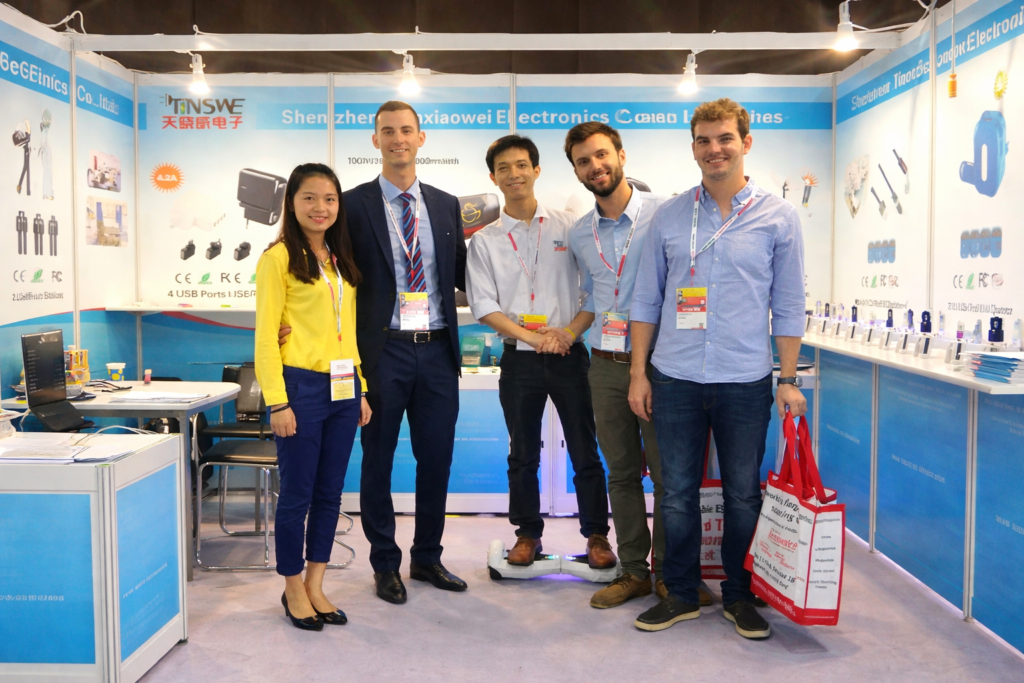
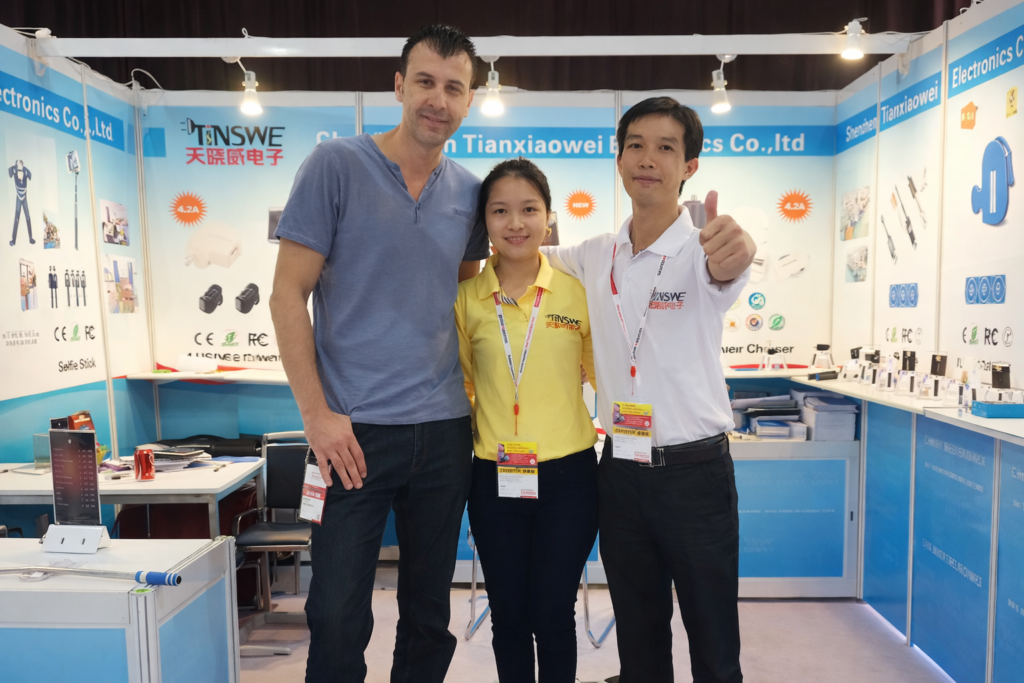
Why Customers Trust Tianxiaowei
Real customer feedback and cooperation moments that reflect our product quality, responsive service, and
long-term manufacturing support.
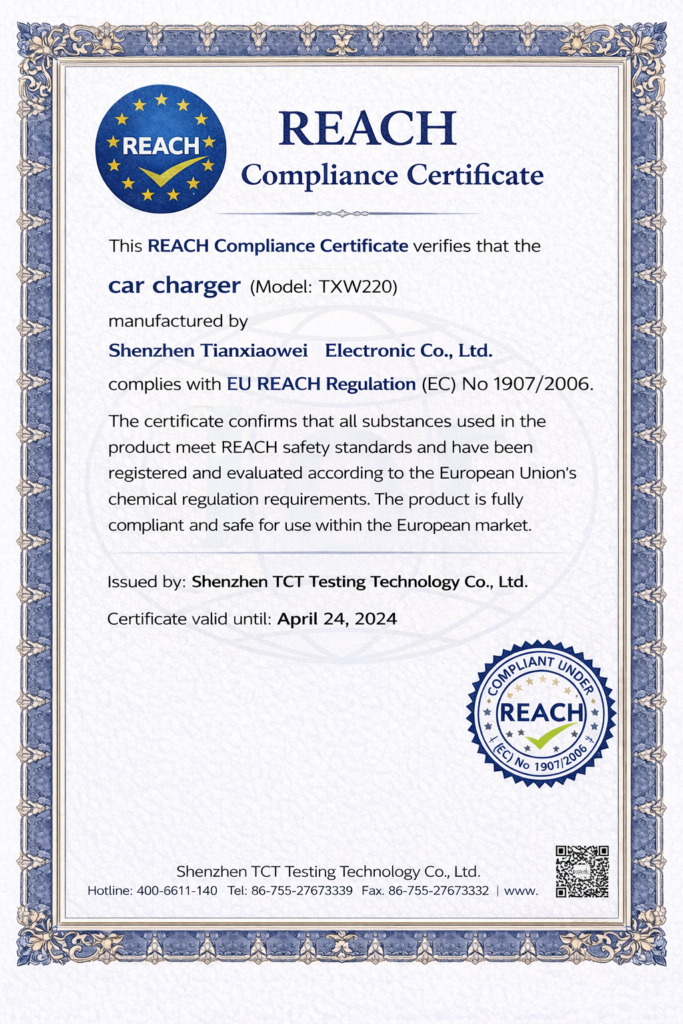
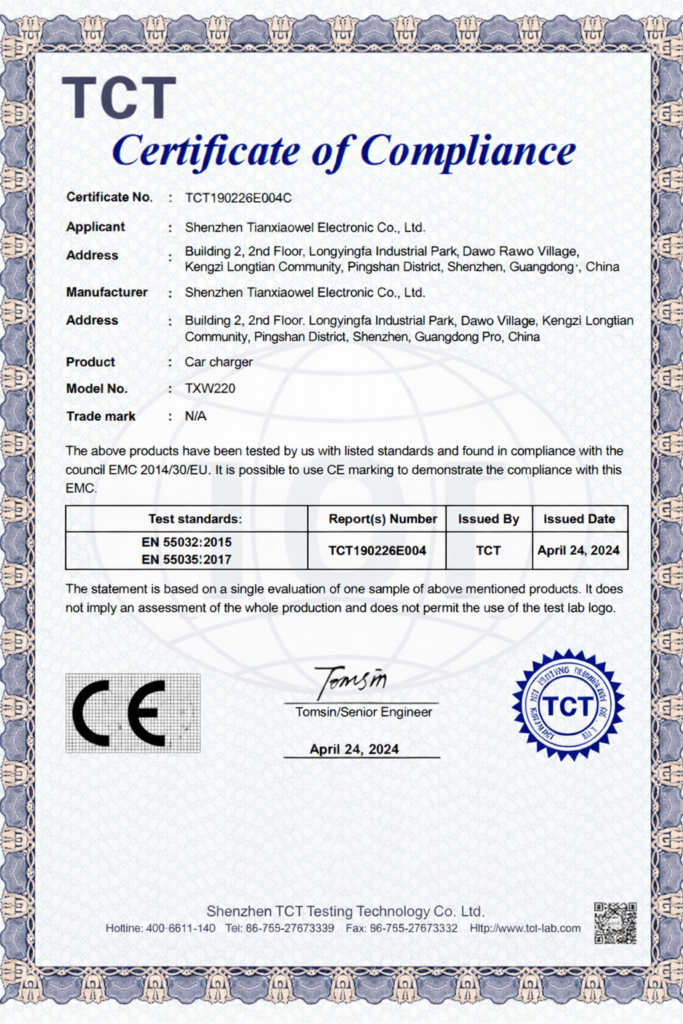
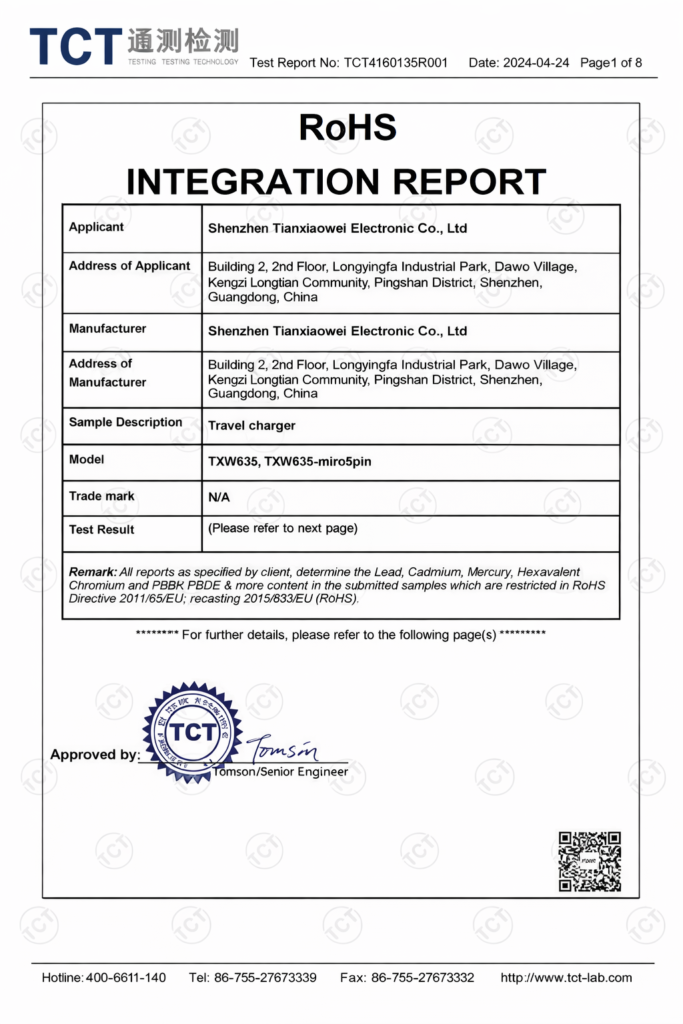
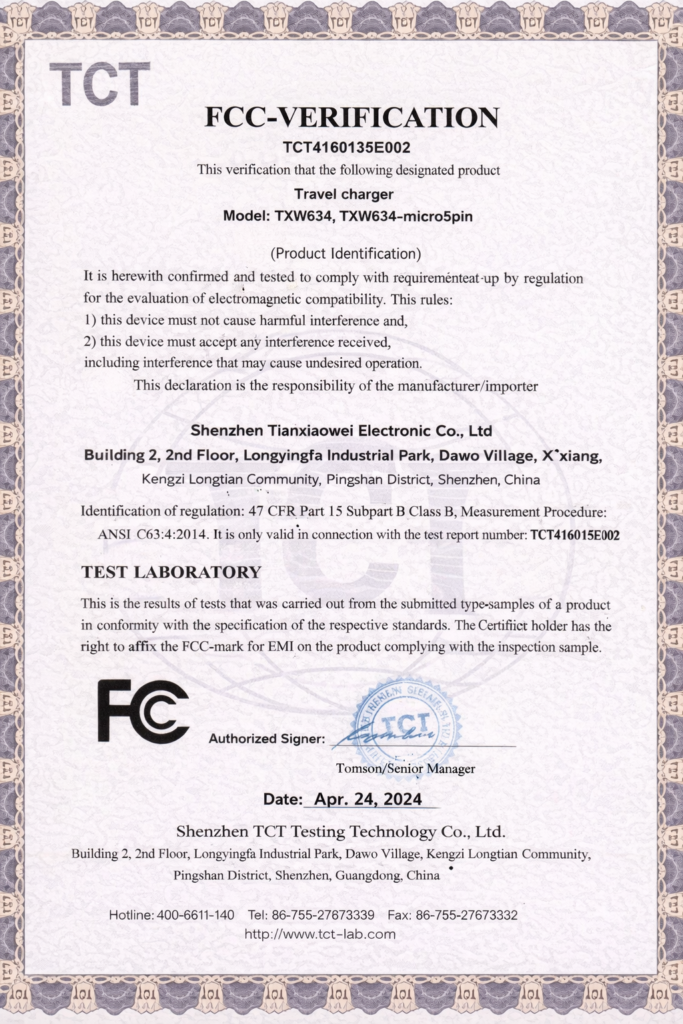
Certificates & material control
Custom Jumper Cable Frequently Asked Questions
Answers covering OEM development, conductors, clamps, sampling, production, testing, packaging and quotation preparation for automotive jumper cable programs.
Can Cablivo manufacture OEM jumper cables?
Yes. Cablivo supports project-based jumper cable development involving conductor material, wire gauge, cable length, clamp configuration, jacket, printing, packaging and inspection requirements. Product details are reviewed before quotation and sampling. Final manufacturing should follow an approved sample, confirmed material information and controlled production files.
What wire gauges can be customized?
Gauge options are reviewed according to the intended vehicle or equipment group, cable length, conductor material, target performance and package requirements. Cablivo does not recommend selecting a gauge only from marketing descriptions. Send the target application, preferred length, conductor requirement and reference product for engineering review.
Are OFC and CCA options available?
OFC or CCA requests can be reviewed according to product positioning, resistance targets, cost, labeling and target-market requirements. Final availability and specifications depend on the approved material plan. Any conductor description printed on the cable or packaging must match the actual construction used in production.
How do length and gauge affect performance?
Cable length and conductor structure influence resistance, voltage drop, weight, flexibility and packaging size. Increasing length without reviewing the conductor may reduce performance. Every length and gauge combination should receive a defined specification, SKU, packaging plan and inspection requirement.
Can jumper cable clamps be customized?
Clamp options can be reviewed through drawings, dimensions, photos, reference samples or functional requirements. Discussion may cover jaw material, opening range, spring action, insulation color, cable connection, logo and quick-connect structures. Final clamp selection should be approved through a physical sample.
Can you develop heavy-duty truck jumper cables?
Heavy-duty and truck-oriented programs can be reviewed according to the vehicle group, battery access, cable length, conductor requirement, clamp structure and intended use frequency. Performance claims and test requirements should be confirmed before sampling rather than copied from a generic retail model.
What testing can be included?
Available inspection discussions may include dimensions, conductor cross-section, resistance, clamp action, pull-force, polarity, appearance and packaging. Voltage-drop, temperature-rise, flexibility or other performance tests can be added according to the agreed project requirement. Methods and acceptance criteria should be confirmed before production.
Can SAE-related requirements be reviewed?
Requirements related to SAE J1494 or another specified standard can be discussed according to the product, target market and requested test plan. Compliance should only be stated when supported by relevant testing or documentation for the actual model. Cablivo does not apply one certification claim to every jumper cable project.
What private label packaging is available?
Options may include zip bags, poly bags, retail boxes, color boxes, instruction cards, barcode labels, SKU labels and export cartons. Packaging availability, MOQ, cost and timing depend on the selected materials, artwork, quantity and number of SKUs. All printed content needs approval before production.
What information is required for quotation?
Send the application, cable length, requested gauge, conductor preference, clamp reference, quantity, target market, packaging format and testing requirement. Photos, drawings, old samples, barcode files and packaging artwork can improve quotation accuracy. Missing information can be discussed during the initial review.
Send Your Jumper Cable Project Requirements
Share your jumper cable specifications, reference photos, existing samples or packaging files with Cablivo. Our team can review the intended vehicle or equipment group, conductor material, wire gauge, cable length, clamp construction, jacket, printing, order quantity, testing and packaging requirements before quotation or sampling.
A complete RFQ helps shorten repeated communication and gives engineering, purchasing, production and quality teams a clearer starting point. Drawings are helpful but not required for an initial discussion. Photos of an existing cable, clamp dimensions, product links, packaging references or a written requirement list can also support the review.
For multi-SKU programs, include quantity per gauge, length, clamp type and package. For private label projects, attach logo, barcode, instruction and retail artwork where available. Sample and bulk-production schedules are confirmed after product details, materials, clamp availability, tooling, tests and packaging files have been reviewed.