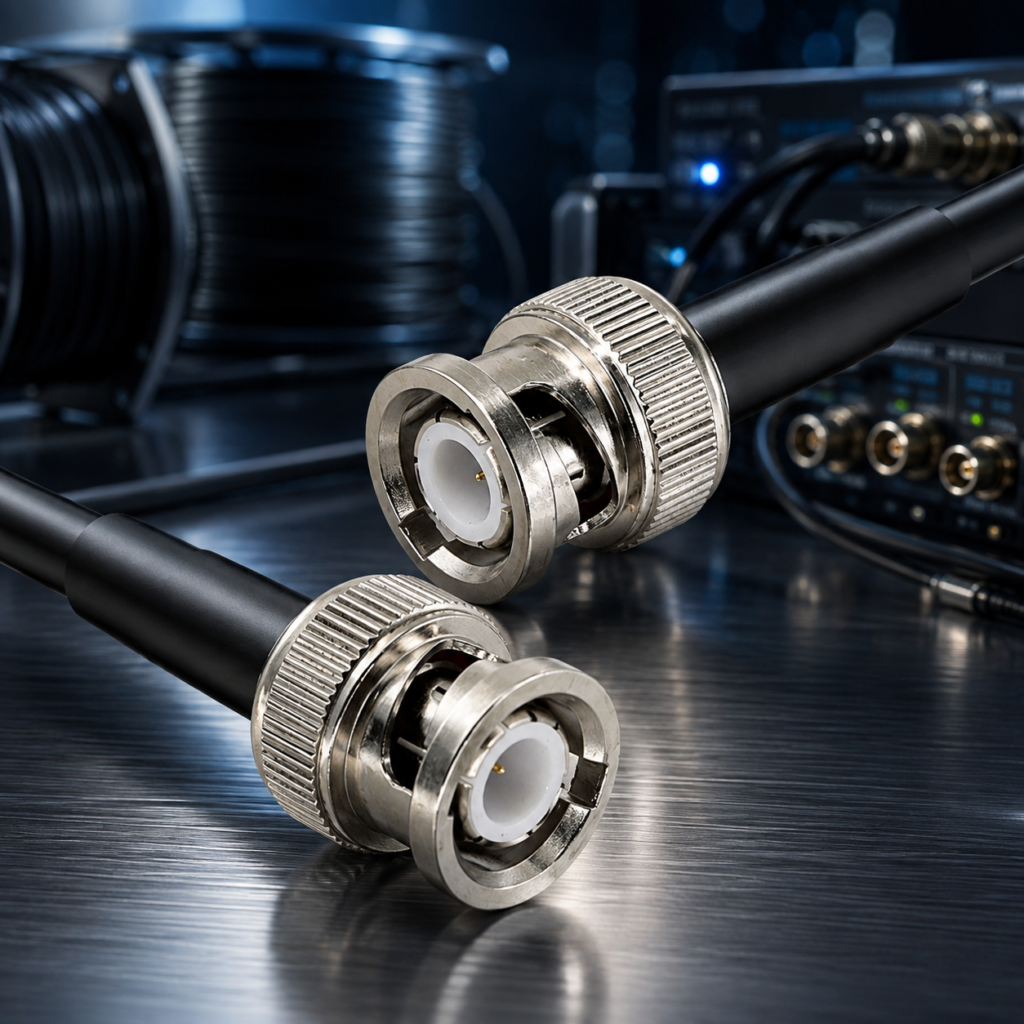
BNC Connector Cable Assembly
Custom RF and coaxial cable assemblies for global brands, engineering teams, equipment manufacturers, and long-term supply programs.
- Review 50 Ohm or 75 Ohm requirements, BNC connector models, coaxial cable type, finished length, installation direction, and target application before quotation.
- Develop assemblies from drawings, BOM files, connector datasheets, interface photos, existing samples, or an initial specification list.
- Use sample validation to confirm connector fit, assembly appearance, handling, length, marking, and agreed test items before bulk production planning.
- Coordinate product labels, barcode files, SKU identification, protective packing, retail packing, and export carton requirements for repeatable supply programs.
- 18+ years of industry experience
- 20,000+ square meters
- 1,500+ team
- 3 manufacturing bases
Choose the Correct BNC Assembly Impedance
BNC appearance alone does not define electrical compatibility. Impedance must align with the equipment, connector series, coaxial cable, signal type, operating range, assembly length, and verification method stated in the project specification.

50 Ohm BNC Assemblies
50 Ohm assemblies are commonly specified for RF communication equipment, antennas, test instruments, signal generators, laboratory systems, and other radio-frequency connections. A workable RFQ should identify the equipment interface, BNC connector series, cable model, required length, installation space, operating range, and test expectations. Cable flexibility and routing also matter when an assembly moves, bends, or passes through a confined enclosure. Cablivo reviews the supplied datasheet, sample, drawing, or interface photo before proposing a sample route. Any insertion loss, return loss, VSWR, or frequency requirement must be defined before sampling.

75 Ohm BNC Assemblies
75 Ohm assemblies are often associated with video, broadcast, monitoring, imaging, SDI-related, and other systems designed around a 75 Ohm signal path. Selection still depends on the exact connector series, coaxial cable, finished length, signal standard, installation method, and required test criteria. A 75 Ohm label alone cannot confirm performance for every video or broadcast format. Engineering files should state the target device, signal specification, cable model, connector orientation, and validation method. Cablivo can review the requirement and confirm what must be checked during sample preparation and production planning.
Key BNC Cable Assembly Project Specifications
A clear specification summary helps engineering and procurement teams identify missing details before requesting a quotation. Final construction, test scope, timing, and documentation are confirmed after project files and application requirements have been reviewed.
Specification Area
Project Confirmation
Assembly Type
BNC to BNC, BNC to another confirmed RF interface, panel connection, pigtail, or project-specific termination.
Impedance
50 Ohm or 75 Ohm according to the equipment, signal path, connector series, and coaxial cable specification.
Connector Details
Complete part number, plug or jack, straight or right-angle orientation, panel or bulkhead requirements, and mating interface.
Coaxial Cable
Requested cable family or exact cable model, conductor and shielding structure, jacket needs, flexibility, bend space, and handling requirements.
Length and Size
Finished length may be stated in millimeters, centimeters, meters, inches, or feet. Drawing tolerance and connector reference points must be defined.
Marking
Heat-shrink identification, product label, serial reference, model number, SKU label, barcode, or other approved marking files.
Testing
Continuity, open/short, connector fit, length, appearance, pull or strain-relief checks, plus any defined RF or signal tests.
Sample Timing
Confirmed after connector availability, cable availability, assembly method, tooling needs, test requirements, and review scope are known.
Production Timing
Confirmed after approved sample, final drawing, final BOM, order quantity, test plan, labeling files, and packing method are frozen.
Starting Quantity
Many custom cable projects start from 500 pieces. Final MOQ depends on connector sourcing, cable structure, setup, testing, and packaging.
Configure Both Ends of the BNC Assembly
Every end condition affects device fit, installation space, cable routing, and production method. Clear part numbers and interface photos reduce connector mismatch risk before samples, tooling, labels, or packaging are prepared.

End A Connector
Define the complete connector series and part number for the first end. State plug or jack, straight or right-angle form, panel or cable mount, and any required locking, plating, boot, heat-shrink, or protection detail. A clear datasheet or interface photo helps prevent selection based only on similar appearance.

End B Connector
Specify whether the second end uses BNC, another RF connector, a panel termination, or an unterminated pigtail. For mixed-interface assemblies, provide both connector datasheets and the target signal path. Cablivo reviews mechanical compatibility, cable fit, assembly direction, and sourcing before quotation.

Gender Combination
Use unambiguous terms such as BNC plug, BNC jack, male, or female together with a part number. Gender wording may vary among teams and regions, so photos and mating-interface information are valuable. The approved drawing should show both ends and connector reference points.

Connector Orientation
Straight and right-angle forms can change equipment clearance, bend radius, pulling direction, and packing protection. Drawings should identify the direction of the right-angle exit relative to labels, panels, or adjacent components. Orientation is checked during sample fit validation.

Panel or Bulkhead Fit
Panel-mounted or bulkhead configurations need panel thickness, cutout, thread, washer, nut, grounding, and installation-space information. A device drawing or panel photo supports review. Mechanical dimensions and final assembly method should be confirmed before sample production.

Pigtail Termination
An unterminated or prepared end may require a defined strip length, conductor exposure, shield treatment, tinning, ferrule, heat-shrink, label, or protective cap. Exact preparation dimensions belong in the drawing so samples and bulk production follow the same reference.
Match Coaxial Cable Construction to the Application
Cable selection should connect electrical requirements with handling, installation, sourcing, manufacturing, and test conditions. A familiar RG name may help communication, but the exact requested model and supplier documentation remain the controlling references.
Start With the Cable Model and Signal Requirement
A BNC assembly is a combined system: connector geometry, dielectric structure, shielding, conductor, jacket, finished length, and termination method all influence the final result. Engineering files should identify a preferred coaxial cable model or provide enough application information for review. Common RFQ references may include RG-58, RG-59, RG-174, RG-179, RG-316, RG-400, or branded coaxial cable numbers, yet availability and suitability must be confirmed for each project.
The review should cover impedance, conductor construction, cable outer diameter, dielectric, shielding, jacket, flexibility, bend space, operating environment, and the connector model designed for the chosen cable. A connector built for one cable diameter may not fit another. Cable substitution also requires approval because a similar external diameter does not guarantee the same electrical, material, or handling properties.
Useful files include the cable datasheet, approved manufacturer name, exact part number, target frequency range, maximum finished length, and any required performance limit. When no cable model is fixed, provide the equipment type, signal path, installation distance, routing conditions, movement frequency, and test method. Cablivo can then identify which details still need confirmation before a sample route is agreed.
Review Shielding, Flexibility, and Installation Conditions
Coaxial shielding is not a generic marketing feature. Foil, braid, coverage, conductor connection, connector body contact, and termination workmanship must work as a complete structure. A project requiring frequent movement may prioritize flexibility and strain management, while a fixed cabinet installation may emphasize routing space, stable assembly, labeling, and repeatable placement. Outdoor or high-requirement environments may add jacket, sealing, documentation, or protection needs that require separate review.
Engineering teams should describe how the cable is installed and handled: fixed route, repeated bending, tight enclosure, field connection, panel feed-through, equipment rack, test bench, or packaged accessory. Include minimum bend space, cable exit direction, nearby components, pulling force during installation, and any abrasion or protection concern. A physical sample or device photo often communicates restrictions better than a short product name.
Cablivo can discuss shielding connection, heat-shrink, boots, sleeves, strain relief, overmold protection, and labeling according to the approved structure. No single protection method is automatically suitable for every BNC assembly. Sample review should confirm connector fit, cable handling, exit direction, appearance, and agreed mechanical checks before the structure becomes the production reference.
Define Length, Reference Points, and Dimensional Tolerance
Length should be measured between agreed reference points, not described only as “one meter” or “three feet.” Connector bodies add physical length, and right-angle forms change the route inside equipment. A drawing should show whether finished length is measured tip-to-tip, shoulder-to-shoulder, connector reference plane to reference plane, or cable-only between connector bodies. Units may be millimeters, centimeters, meters, inches, or feet, provided the drawing is consistent.
Tolerance depends on length, cable type, assembly process, connector geometry, and installation need. Tight tolerance may add control steps and should be stated before quotation. Multi-length programs also need a clear length list, SKU code, label file, quantity per size, and packing method. For assemblies installed in matched racks or kits, define whether several cables must be grouped, sequenced, or identified by position.
Dimensional review should include connector overall size, panel clearance, bend radius, label position, heat-shrink length, boot or overmold dimensions, and packaging space. Sample approval freezes the accepted measurement method and visual reference. Bulk inspection can then use the same drawing, gauge, reference points, and version-controlled files.
BNC Assemblies for Professional Equipment and Signal Systems
Different industries may use the same connector shape for very different signal paths. Application cards should guide brands and engineering teams toward the correct impedance, cable model, connector orientation, length, verification method, and packing requirement.

Broadcast and Video
Video, imaging, monitoring, studio, and broadcast projects may use 75 Ohm signal paths and application-specific coaxial cable. Supply the signal standard, equipment model, connector series, length list, installation route, and expected validation method. Packaging may need individual identification and connector protection for field or rack installation.

Test and Measurement
Oscilloscopes, signal generators, analyzers, laboratory equipment, and test fixtures often require clearly defined 50 Ohm interfaces, repeatable length, flexible handling, and durable connector transitions. Engineering files should state frequency range, cable type, movement, bench use, identification method, and any calibration or comparison procedure handled by the project team.

RF Communication
Communication equipment, antennas, radio modules, base units, and signal-routing systems need accurate connector part numbers, cable construction, impedance, length, and assembly direction. Device photos and datasheets help confirm mechanical fit. Electrical performance criteria must be written in the specification rather than assumed from a BNC product name.

Security and Monitoring
Monitoring, surveillance, imaging, and control equipment may require multiple lengths, clear labels, installation-friendly packing, and stable connector fit. State whether the signal path is 50 Ohm or 75 Ohm, identify the exact equipment interface, and provide the installation environment, quantity breakdown, and replacement or repeat-order plan.

Industrial Equipment
Industrial instruments, control equipment, inspection systems, and production machinery may combine signal requirements with tight routing, panel mounting, protection, labeling, and project packing. Drawings should show connector direction, panel conditions, cable route, length tolerance, and any environmental or mechanical checks needed before release.

Brands and Integrators
Electronics brands, distributors, importers, and system integrators may need a family of BNC assemblies with several lengths, connector variants, labels, barcodes, and packaging versions. A structured SKU list reduces mix-up risk and supports repeat orders. Cablivo reviews product specifications and commercial files together before production planning.
Prevent Common BNC Cable Assembly Project Errors
Most failures begin with incomplete specifications rather than the final assembly step. Early review of impedance, connector identity, cable type, dimensional reference, test scope, and version-controlled files reduces avoidable rework during sampling and production.
Wrong Impedance
A BNC connector may look correct while the system requires a different impedance. Mixing 50 Ohm and 75 Ohm components, cable, or equipment can create an unsuitable signal path. Prevention starts with a written impedance requirement, exact connector series, cable datasheet, application description, and defined validation method. Cablivo reviews the supplied information before sample preparation and avoids presenting impedance as a cosmetic choice.
Connector Mismatch
Similar BNC bodies may differ in gender, interface dimensions, orientation, cable attachment, panel structure, or mating requirements. A vague photo can lead to the wrong connector purchase or a sample that cannot fit the device. A complete part number, datasheet, interface photo, panel drawing, and existing sample are stronger references. Sample fit approval should occur before the connector becomes a bulk-production item.
Unsuitable Cable Type
Selecting coaxial cable only by price or outer diameter can create problems with connector fit, flexibility, routing, signal requirements, jacket performance, or production consistency. The RFQ should identify the exact cable model whenever possible. When no model is fixed, provide impedance, application, operating range, length, movement, bend space, environment, and test criteria so the required review can happen before quotation.
Undefined RF Tests
Terms such as low loss, high frequency, broadcast grade, or stable signal are not measurable specifications. The project should define which parameters matter, the acceptable limits, test equipment or method, sample size, and whether verification occurs internally, through a third party, or on the final device. Cablivo confirms available test support and documentation only after the full requirement has been reviewed.
Weak Termination Control
Shield connection, soldering, crimping, cable stripping, heat-shrink, boot placement, strain relief, and connector assembly all influence mechanical stability and repeatability. An approved structure should identify the required process and inspection points. Photos, section drawings, pull requirements, handling conditions, and sample feedback help create a clear production reference instead of relying on a verbal description.
Sample-Bulk Difference
A good sample does not protect a project when the drawing, BOM, cable model, connector model, label file, or packing version remains open. Approved samples should link to final files and version numbers. Material preparation, in-process checks, finished inspection, and packing verification then follow the frozen reference. The goal is controlled replication, not a promise that every production risk disappears.
Begin With Drawings, BOM, Samples, or Device Photos
Complete files improve quotation accuracy and sample direction, yet a project can also begin with partial information. Cablivo identifies missing items, confirms what must be frozen, and builds a review path before materials and connectors are committed.
Drawing and BOM Review Before Quotation
A drawing should connect mechanical dimensions, connector identity, cable model, impedance, finished length, tolerance, marking, and test requirements. A BOM should identify the approved connector, cable, heat-shrink, label, packing material, and any special component. When drawing and BOM versions conflict, quotation and sampling can move in the wrong direction even when every individual file appears complete.
Cablivo reviews the available files for end-A and end-B definition, connector part numbers, plug or jack description, straight or right-angle orientation, panel details, cable reference, length measurement method, label position, test notes, and packaging instructions. Questions are returned before a sample structure is finalized. Engineering clarification may include revised callouts, missing datasheets, photos of the mating interface, or an updated quantity breakdown.
Useful RFQ files include PDF drawings, CAD exports when available, BOM spreadsheets, connector datasheets, coaxial cable datasheets, interface photos, target device information, and approved brand files. A clear document set reduces connector sourcing errors, inconsistent length interpretation, unplanned test work, and later version disputes.
Existing Sample and Replacement Project Review
An existing cable can be a strong reference when drawings are incomplete, a previous supplier is being replaced, or an older assembly needs a repeatable production file. Photos alone may not reveal impedance, internal cable construction, exact connector part number, shielding method, strip dimensions, or hidden termination details. A physical sample, device interface, and written application information provide a more reliable starting point.
Review may cover finished length, connector gender, orientation, cable marking, measured outer diameter, jacket appearance, label location, heat-shrink, strain relief, packing, and visible workmanship. The project team should also explain what must remain unchanged and what problem needs improvement: fit, routing, handling, labeling, packaging, supply continuity, or another defined issue.
A replacement sample should not be presented as an automatic clone. Materials and connectors require sourcing confirmation, test criteria require agreement, and any dimensional or structural difference needs approval. A new sample can then be compared with the old reference and validated on the target equipment before production files are frozen.
Secure File Sharing and NDA Discussion
Brands and engineering teams may need to share product drawings, prototype photos, connector selections, packaging artwork, or unreleased model information. NDA terms and document handling can be discussed before sensitive files are transferred. The scope should identify the parties, covered materials, permitted use, storage expectations, and project contacts rather than relying on a generic claim of absolute secrecy.
Initial review can begin with limited information: application, connector photos, approximate length, required impedance, target quantity, and a short description of the project stage. More detailed files can follow after the communication route is agreed. Cablivo uses the received information for project evaluation, quotation preparation, sample planning, and production discussion according to the agreed scope.
No drawing is considered complete only because it carries a title block. Questions about connector availability, cable model, RF test method, packaging, compliance documents, and target market may still require clarification. A structured review protects both sides from assumptions and gives procurement teams a clear record of what has been confirmed.
Confirm Every BNC Interface Before Sample Production
Connector review combines part number, interface, orientation, cable fit, panel conditions, and device installation. Clear mechanical references prevent a visually similar connector from becoming an expensive sample or bulk-production mismatch.
Model and Series
Provide the complete BNC connector part number, manufacturer reference, datasheet, or approved equivalent criteria. The review should confirm impedance, cable attachment method, supported cable diameter, body style, plating or material requirements, and sourcing status. A generic description such as "standard BNC male" is not enough for a controlled build.
Gender and Mating
State plug or jack and show the mating interface. Teams sometimes use male and female terminology differently, especially around panel connectors. A device photo, mating connector number, and interface drawing reduce ambiguity. Sample validation should include fit on the actual equipment or an approved mating reference whenever possible.
Orientation and Space
Straight and right-angle connectors change routing, bend space, adjacent clearance, and label visibility. Drawings should show cable exit direction relative to the equipment, panel, or keyed feature. For tight enclosures, provide internal space dimensions and the intended assembly sequence. Orientation becomes part of the approved sample and final drawing.
Panel and Protection
Bulkhead, panel, boot, heat-shrink, cap, strain-relief, and overmold requirements need dimensional and installation details. State panel thickness, mounting hardware, environmental exposure, pulling or bending concerns, and packing protection. Any sealing, pull, or environmental test must be defined rather than implied by the connector appearance.
Build the BNC Assembly Around Project Requirements
Customization should improve fit, function, identification, handling, and supply consistency. Each option below must connect to an application, drawing, test method, or approved sample rather than becoming an unsupported performance claim.

Impedance
Specify 50 Ohm or 75 Ohm together with the equipment, connector series, cable model, signal requirement, and validation method. Impedance selection controls the assembly direction and cannot be changed only for visual preference.

Connector Pair
Define BNC to BNC or another reviewed RF interface, including complete part numbers, plug or jack, straight or right-angle form, panel condition, and mating reference. Mixed interfaces require both datasheets.

Cable Model
State the preferred coaxial cable model, approved manufacturer, substitute rules, flexibility, jacket, shielding, operating environment, and test expectations. Availability and connector fit are checked before quotation.

Finished Length
Provide length units, measurement reference points, tolerance, quantity per length, and SKU identification. Multi-length programs benefit from a controlled list linked to labels and packing.

Exit Direction
Right-angle direction, panel route, bend space, boot position, heat-shrink, and strain-relief geometry affect installation. Device drawings or photos should show the required orientation.

Color and Marking
Cable color, heat-shrink color, model printing, serial reference, label position, and other identification features can be discussed according to available materials and approved artwork.

Mechanical Protection
Boots, sleeves, heat-shrink, strain relief, protective caps, and overmold structures may support handling or shipping needs. The chosen method requires sample validation and defined inspection points.

Packaging
Bulk packing, individual bags, retail boxes, inserts, barcode labels, SKU labels, connector protection, carton marks, and export cartons can be planned from approved files.
Validate BNC Specifications Before Bulk Production
A prototype is a technical and commercial reference, not merely one finished cable. Sample review confirms fit, construction, handling, marking, test scope, and packaging direction before production files and order planning are finalized.
Plan the Sample From Available Project Information
Sample planning begins with the best available reference: drawing, BOM, connector datasheet, cable datasheet, interface photos, existing sample, application description, quantity forecast, and packaging direction. Missing information is listed before materials are committed. Engineering review confirms which items can be checked internally and which items require validation on the target device or through an agreed external method.
The sample specification should identify impedance, end-A and end-B connectors, cable model, length and tolerance, orientation, strip or termination details, heat-shrink or protection, label content, appearance reference, and required tests. When several lengths or connector variants are planned, decide whether one representative sample is enough or whether each configuration needs separate approval.
Sample timing cannot be a universal day count. Connector availability, cable sourcing, custom tooling, assembly complexity, test method, quantity, and revision scope affect the schedule. Cablivo confirms a sample plan after the initial review. A clear plan helps procurement teams compare suppliers on execution quality rather than on an unsupported promise of the fastest sample.
Build, Inspect, and Review the Prototype
During sample preparation, materials and connectors are checked against the agreed reference. Assembly steps may include cutting, stripping, conductor and shield preparation, soldering or crimping, connector assembly, heat-shrink, boot installation, overmolding, marking, and packing according to the structure. Only relevant operations are used; no single process list applies to every BNC assembly.
Internal inspection can cover connector identity, end configuration, finished length, orientation, appearance, fit reference, open/short, continuity, marking, and specified mechanical checks. RF or signal tests require agreed limits, equipment, method, and documentation. The resulting sample is sent for project-team review, device fit, system evaluation, or other approved validation.
Feedback should identify the exact item to change: connector form, cable type, length, orientation, handling, label, protection, test criterion, or packing. Revision scope, material impact, cost impact, and timing impact are confirmed before another build. Version-controlled feedback prevents a later sample from being confused with an earlier reference.
Freeze the Approved Sample and Final Production Files
Approval should connect the physical sample with the final drawing, BOM, cable model, connector part numbers, dimensional references, label file, test checklist, packing file, and revision number. A signed sample, approved photo set, confirmation email, or another agreed record can document the release route. The production reference should be clear enough for material preparation, assembly, inspection, and repeat orders.
Approval does not mean every future condition is guaranteed. Material availability, approved substitute rules, packaging updates, order quantity, and schedule still require order-level confirmation. Any change after approval should be reviewed and recorded before production. For a multi-SKU program, each length, connector combination, label, barcode, and packing version needs a defined relationship to the approved reference.
Sample approval reduces mass-production risk because key decisions are no longer left to memory. Cablivo can use the frozen files to prepare materials, production instructions, in-process checks, outgoing inspection, and packing verification. The approved sample becomes the visual and functional benchmark for the next stage.
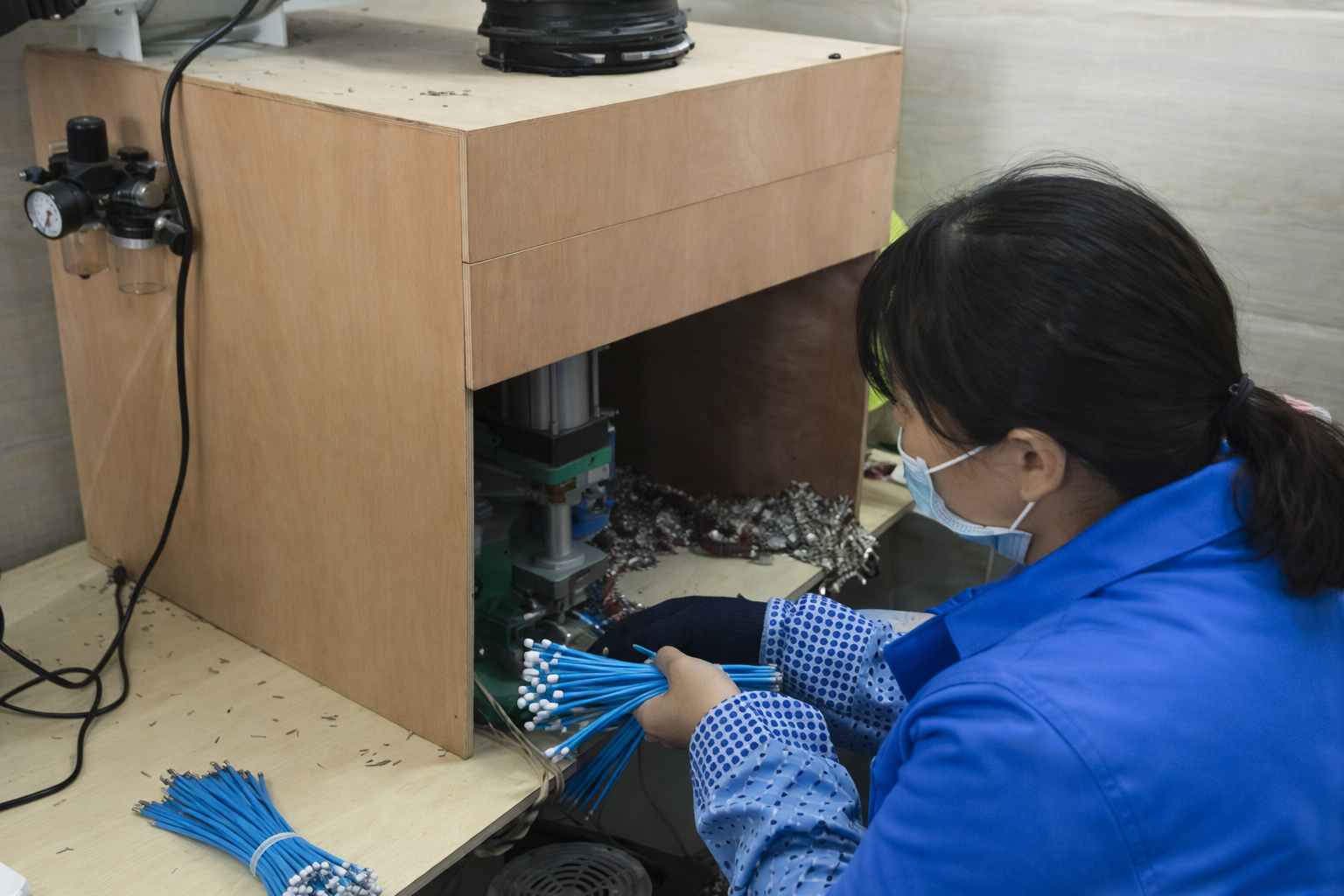
Production Process for Power Cable Assemblies
Power cable production may include cutting, stripping, crimping, soldering, overmolding, assembly, testing, labeling and packaging, depending on cable structure.
Typical production flow:

Material and connector preparation

Cable cutting and stripping
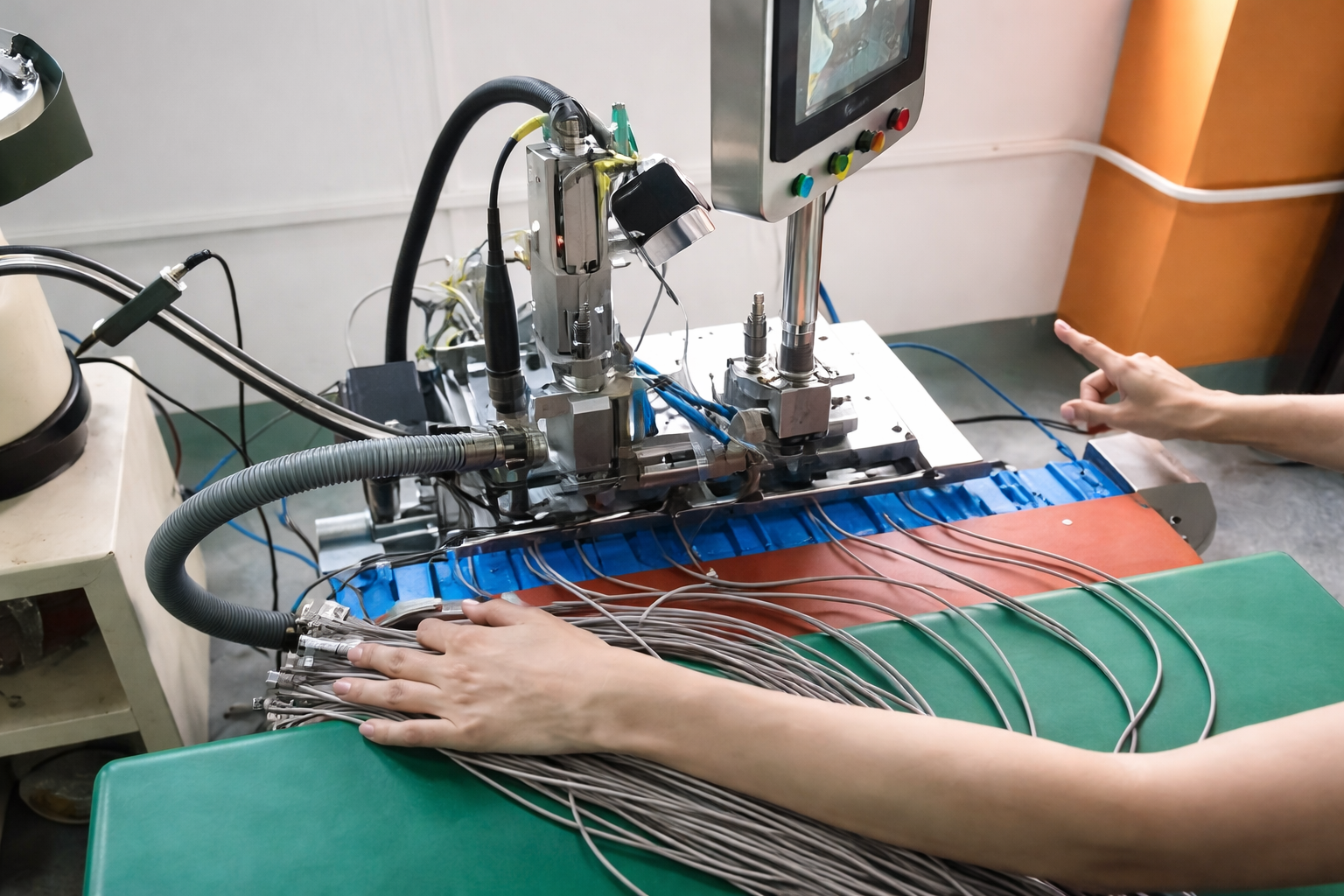
Terminal crimping or soldering

Injection Molding / Connector Assembly
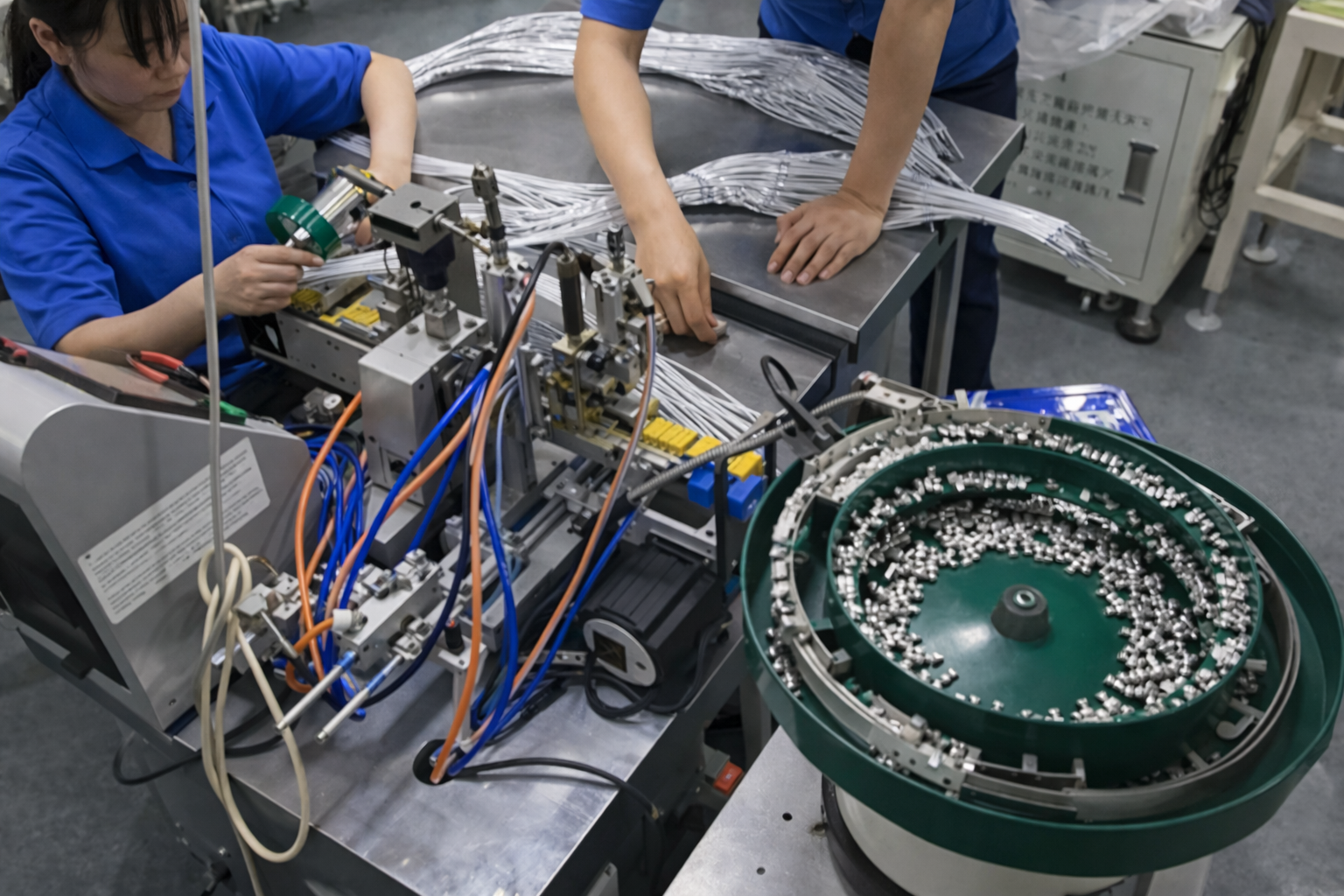
Connector assembly
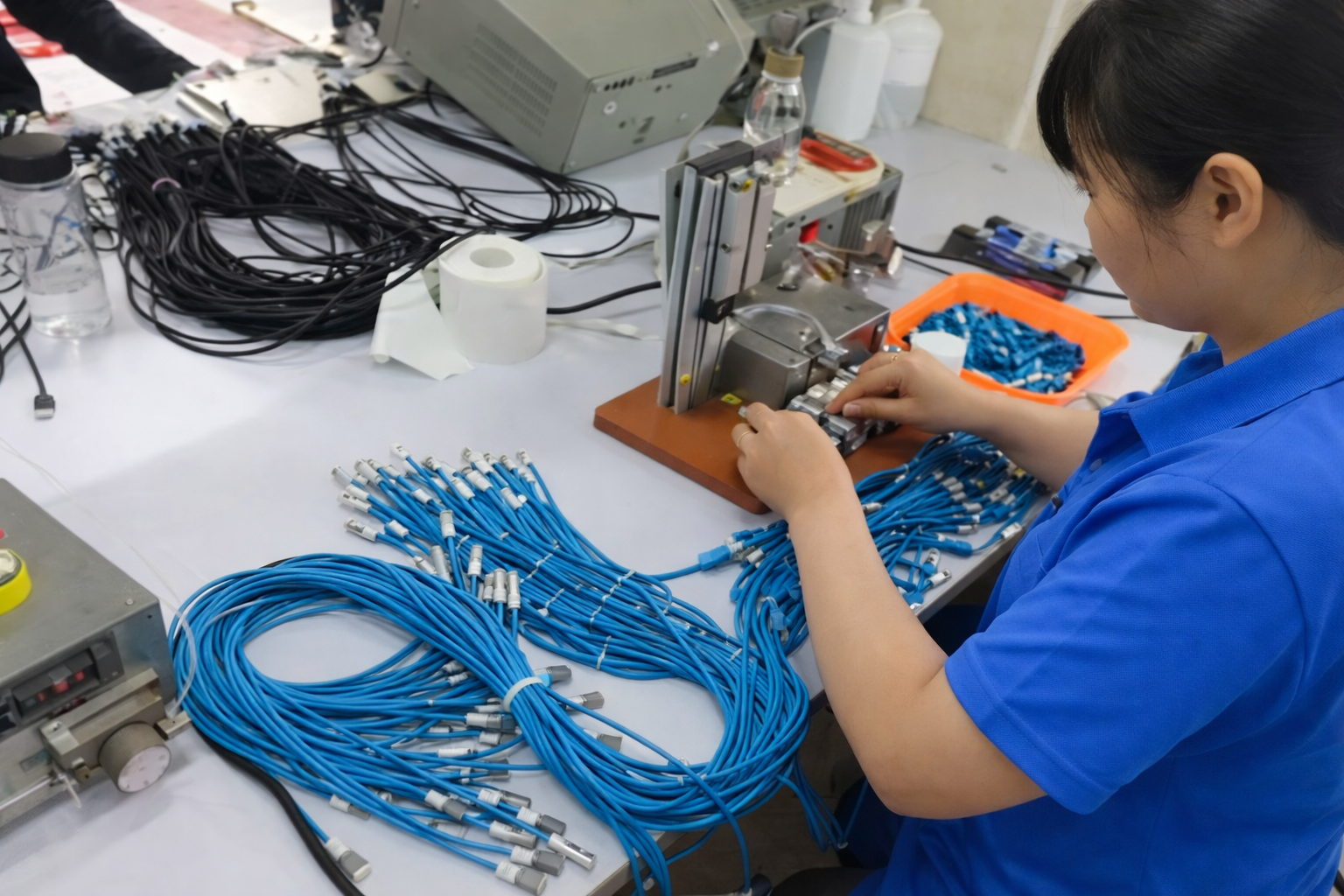
Sleeve, heat shrink or overmold processing
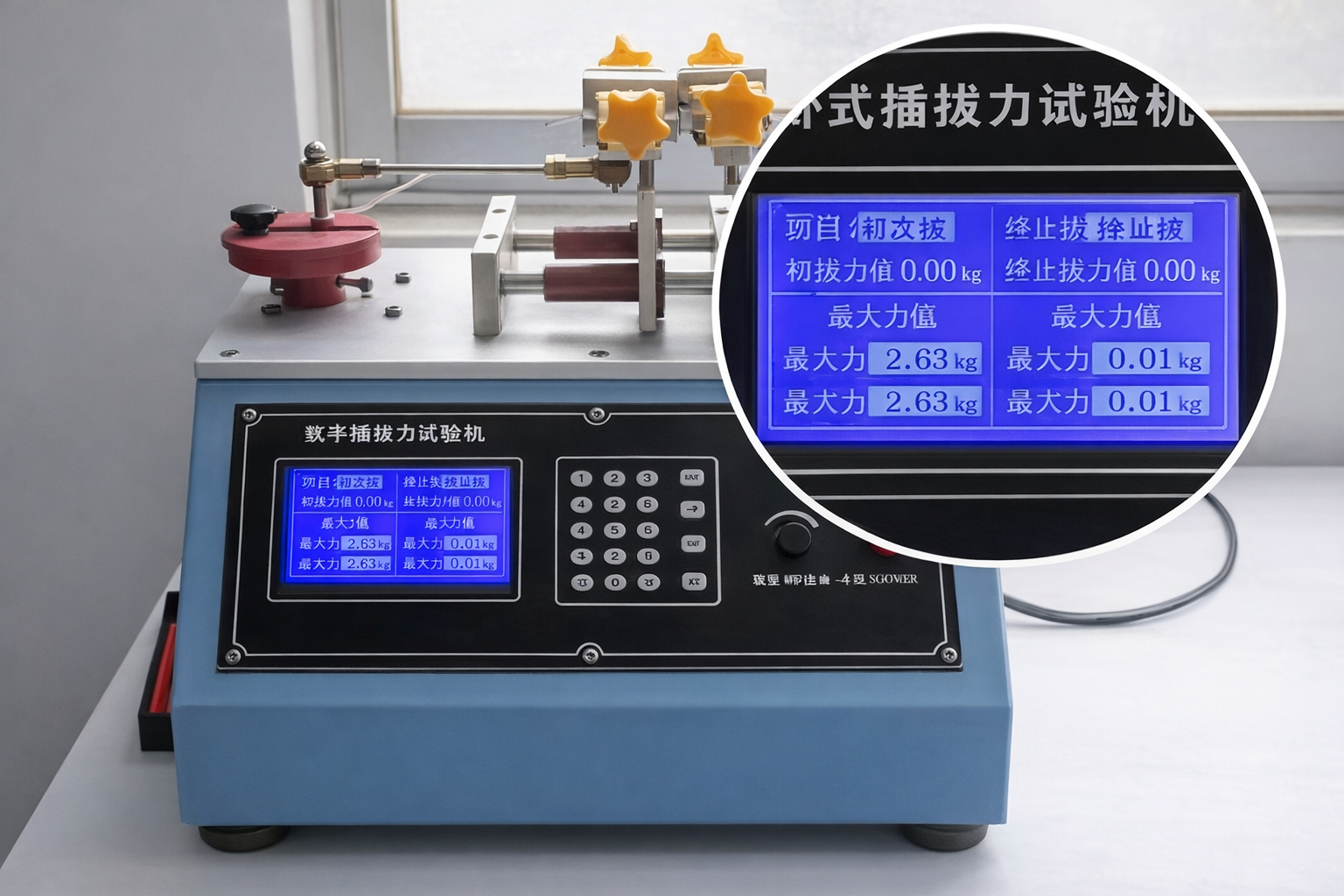
Continuity, polarity or fit check
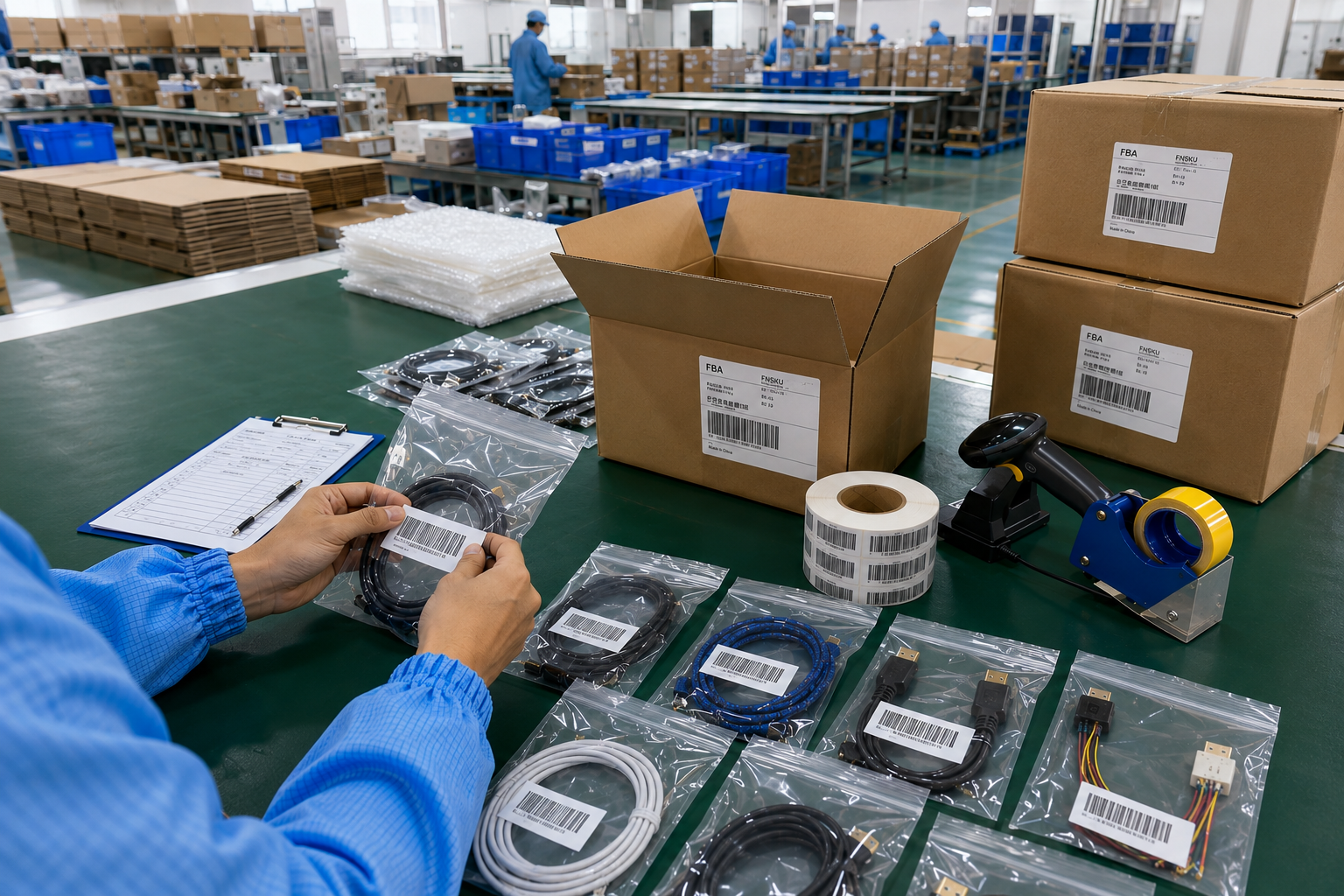
Appearance and label inspection

Packing, carton mark and shipment preparation
Define BNC Cable Testing From the Specification
Testing should verify agreed requirements, not support broad claims. The final checklist depends on connector configuration, cable type, length, application, equipment, target market, sample approval, and the available internal or third-party method.
Continuity and Open/Short
Basic electrical checks can identify an open conductor, unintended short, incorrect shield connection, or assembly fault according to the design. The test fixture, connection points, and pass criteria should match the connector configuration. Multi-ended or special assemblies may require a dedicated fixture or wiring reference.
Connector Fit
Fit validation confirms the selected BNC connector or mating interface can engage with the approved device, panel, gauge, or reference connector. The project team should provide the mating part or device information. Fit checks do not replace an RF performance test, but they prevent obvious mechanical mismatch before production release.
Length and Dimensions
Finished length, connector orientation, panel features, label position, heat-shrink, boot, and protection dimensions can be inspected against the drawing. Measurement points and tolerance must be defined. Multi-length orders require a SKU-linked length list so inspection and packing use the same reference.
Appearance and Workmanship
Inspection may cover cable jacket damage, connector seating, solder or crimp appearance where visible, shield exposure, heat-shrink position, overmold finish, label readability, contamination, and packing condition. Appearance limits should be illustrated by the approved sample or an agreed defect standard.
Mechanical Checks
Pull, strain-relief, bending, retention, or other mechanical checks can be discussed when the application requires them. Force, method, duration, sample size, equipment, and pass criteria must be stated. No general pull-force value should be applied to every connector, cable, boot, or overmold structure.
RF and Signal Tests
Impedance, insertion loss, return loss, VSWR, frequency response, SDI-related, or other signal tests require defined limits and methods. Cablivo confirms available support after reviewing the full specification. Third-party testing or project-team validation can be discussed when internal capability or documentation scope does not cover the requirement.
Keep Bulk Production Aligned With the Approved Sample
Stable repeatability depends on frozen files, controlled materials, clear process instructions, inspection points, and packaging references. A sample alone cannot control production when its supporting documents remain incomplete or change without review.
Convert the Approved Sample Into an Executable File Set
Before bulk production, the approved sample should connect to a final drawing, final BOM, approved connector part numbers, approved cable model, dimensional reference, work instruction, test checklist, label file, packaging file, and revision number. Each file needs a clear owner and release status. A photo set can support appearance control but cannot replace missing dimensions or material references.
For programs with several lengths, connector combinations, colors, labels, or packaging versions, a master SKU list should map every option to quantity, drawing, barcode, packing method, and carton mark. The list helps prevent mixed assemblies and supports repeat orders. Any change in cable source, connector source, marking, or packing should follow an agreed review process.
Cablivo can prepare production planning after the approved reference and order details are confirmed. Production timing depends on material availability, connector sourcing, quantity, assembly process, test requirement, packing plan, and scheduling. A realistic schedule is issued after review rather than promised as the same number of days for every order.
Use Material, Process, Inspection, and Packing Controls
Material control begins with the final BOM and approved substitute rules. Incoming checks compare part numbers, cable marking, dimensions, appearance, and supporting documents where required. Production control uses first-piece review, work instructions, fixtures or gauges, in-process checks, and feedback records. Finished goods control compares assemblies with the drawing, approved sample, test checklist, label file, and SKU plan.
Packaging is part of consistency. Connector protection, cable coiling, individual identification, quantity per bag or box, barcode, SKU label, carton mark, and pallet or shipment instructions should match approved files. A cable can pass functional checks and still create warehouse or installation problems when packaging is unclear.
Repeat orders benefit from version-controlled files and retained references. Order number, BOM version, sample version, label file, packaging file, and shipment batch can support issue review and future planning. Cablivo uses incoming inspection, in-process inspection, outgoing inspection, and project-based testing to reduce production and shipment risks. No process can support an honest zero-defect guarantee, so clear specifications and verification remain essential.
Manufacturing Support Behind Every BNC Cable Project
Cablivo combines engineering review, sample development, cable assembly, inspection, packaging, and shipment coordination within a wider custom cable manufacturing organization. Company data should connect directly to project execution rather than appear as isolated marketing numbers.
18 Years Experience
Eighteen years in the cable industry supports a disciplined route from requirement review and connector confirmation to sampling, production, inspection, and packing. Experience does not replace project files, yet it helps teams ask the right questions before materials and production time are committed.
20,000+ Square Meters
A factory base of more than 20,000 square meters supports material handling, sample preparation, cable processing, assembly, inspection, packaging, and shipment preparation across project-based orders. Factory area should be shown through real production and quality images rather than a number alone.
1,500+ Team
A team of more than 1,500 people provides a broad organizational base for engineering communication, sourcing, production, quality, packaging, and export coordination. Staffing changes with operating needs, so the value lies in cross-functional support rather than a promise of unlimited capacity.
3 Manufacturing Bases
Three manufacturing bases support a wider range of custom cable, wire harness, cable assembly, and molded cable projects. Project allocation, schedule, equipment, and process route are confirmed according to the product structure, quantity, material availability, and quality plan.
80+ Molding Machines
More than 80 injection molding machines support confirmed molded and overmolded cable structures, strain-relief parts, connector protection, and appearance requirements when tooling and materials are suitable. BNC assemblies without molding use the process required by their connector design.
Project-Based Control
Drawing review, BOM review, connector confirmation, sample development, approved sample control, IPQC, OQC, labeling, packaging, and shipment coordination form the core project route. The goal is to help brands and engineering teams move from specifications to repeatable supply.
Protect BNC Assemblies and Keep Every SKU Clear
Packaging affects connector protection, cable shape, warehouse identification, field installation, retail presentation, and repeat-order accuracy. Packing files should be reviewed with the product specification rather than added after production is complete.

Project Bulk Packing
Industrial and equipment programs may use grouped or individual protective packing based on connector size, cable length, installation sequence, and shipment conditions. Coiling diameter, ties, caps, sleeves, separators, and quantity per pack should protect the connector and avoid excessive cable deformation.

Labels and Barcodes
Product labels can identify model, impedance, length, end configuration, lot reference, SKU, barcode, or another approved field. Label content, size, material, print method, position, and readability should be confirmed before production. Barcode files should come from the brand or distribution system when required.

Private Label Packaging
Retail or branded programs may include bags, boxes, insert cards, instructions, brand colors, product labels, and barcode placement. Artwork, dimensions, material, packing sequence, quantity per carton, and approval method need review. Packaging samples can be included in the approval route when presentation is important.

Export Carton Control
Carton mark, SKU separation, quantity per carton, gross and net weight, dimensions, packing list, and shipment instructions support warehouse and forwarding coordination. Cablivo can prepare manufacturing-side packing and export documents according to confirmed order details without making customs-clearance guarantees.
Prepare an Accurate BNC Cable Assembly RFQ
A useful quotation requires technical, quantity, testing, and packaging information. Partial files can start a preliminary review, while final pricing and scheduling follow after the assembly structure, materials, connector sourcing, and order plan are confirmed.
RFQ Item
Information to Send
Why It Matters
Impedance
State 50 Ohm or 75 Ohm and identify the equipment or signal requirement.
Wrong impedance changes connector and cable selection.
Connector Ends
Provide both part numbers, datasheets, gender, orientation, and panel details.
Connector price, availability, assembly method, and fit depend on exact models.
Coaxial Cable
Provide the exact cable model or application data for review.
Cable construction affects sourcing, connector fit, handling, and test direction.
Length and Tolerance
List every finished length, unit, reference point, tolerance, and quantity.
Material use, processing, inspection, SKU control, and packing vary by size.
Quantity and MOQ
Many custom cable projects start from 500 pieces; provide sample quantity, first order, annual estimate, and quantity per SKU.
Final MOQ depends on connector sourcing, setup, cable structure, testing, labeling, and packaging.
Testing
State electrical, mechanical, RF, signal, appearance, and documentation needs.
Test method, fixtures, sample size, equipment, and third-party work influence cost and timing.
Packaging
Provide bulk or retail method, artwork, barcode, SKU label, carton mark, and quantity per pack.
Packaging affects materials, approval, labor, inspection, carton planning, and shipment volume.
Sample Timing
Supply complete files and required validation method.
Timing is confirmed after connector availability, cable sourcing, tooling, assembly, and test scope are reviewed.
Production Timing
Provide approved sample, final BOM, final quantity, target schedule, labels, and packing files.
Schedule is confirmed after materials, capacity planning, test plan, and packaging are finalized.
Target Market
State destination market and required material or documentation support.
Compliance and document requirements must match actual materials, product scope, and confirmed project needs.
How a BNC Coaxial Cable Project Moves Forward
The workflow below illustrates a responsible project route without inventing a brand name, order volume, test result, or guaranteed outcome. Actual steps depend on the supplied specification, connector sourcing, sample feedback, and production requirements.
Requirement and Risk Review for Communication Equipment
A communication equipment project begins with a defined device connection need. The engineering team supplies BNC connector information, required impedance, preferred coaxial cable, finished length, application details, target quantity, and any installation or packaging concern. When information is incomplete, interface photos, old cable photos, equipment model, and a short signal-path description help identify the next questions.
The main risks may include an incorrect BNC series, wrong plug or jack description, unsuitable cable diameter, unclear right-angle direction, unsupported performance language, or insufficient connector protection during shipment. Cablivo reviews the connector datasheet, cable reference, length method, route, label requirement, and packing direction. Frequency, insertion loss, return loss, VSWR, or other signal criteria are not assumed; the project specification must define them.
The output of the review is a confirmed sample specification or a list of missing details. Procurement receives a clearer quotation basis, while engineering receives a record of connector, cable, dimension, test, and packing decisions. No claim is made that every communication project follows the same design.
Prototype, Fit Validation, and Technical Feedback
After the specification and materials are confirmed, a prototype can be prepared using the agreed connector, cable, length, orientation, protection, label, and packing direction. Internal checks may cover connector identity, finished length, appearance, open/short, continuity, and defined mechanical points. RF or signal testing follows only when limits, method, equipment, and reporting scope are agreed.
The project team validates the sample on the target equipment or approved mating reference. Feedback should distinguish mechanical fit, cable handling, routing, signal behavior, label position, appearance, and packing. A change request identifies the exact item, reason, and desired result. Cablivo reviews any impact on materials, connector sourcing, assembly, tooling, cost, and timing before making a revised sample.
Once approved, the sample is linked to the final drawing, BOM, cable model, connector models, test checklist, label file, packing file, and revision number. The physical sample and released documents become the production references.
Bulk Preparation, Inspection, Packaging, and Repeat Supply
Bulk preparation starts after the approved sample and order details are frozen. Materials are checked against the final BOM, and production instructions identify cable preparation, connector assembly, protection, labeling, and inspection points. First-piece review and in-process checks help identify setup issues before a larger quantity proceeds.
Finished inspection follows the agreed checklist. Packaging protection is especially important for connectors, right-angle forms, panel hardware, and long assemblies that can shift during transport. SKU labels, barcode files, quantity per pack, and carton marks are checked against the order plan. Shipment timing is confirmed after material, production, inspection, and packing schedules are known.
For repeat supply, the approved sample, drawing, BOM, label file, packaging version, and previous order reference help control changes. Any new connector source, cable source, length, label, or packaging version should be reviewed before release. The result is a traceable project route that supports production discussion without relying on vague claims of perfect quality or guaranteed delivery.
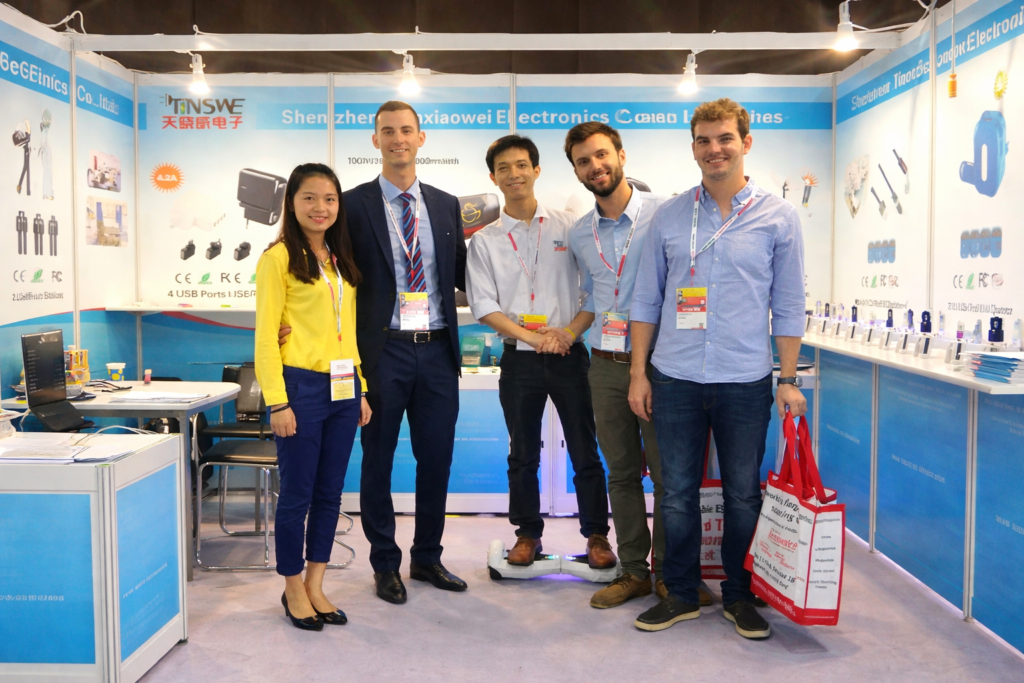
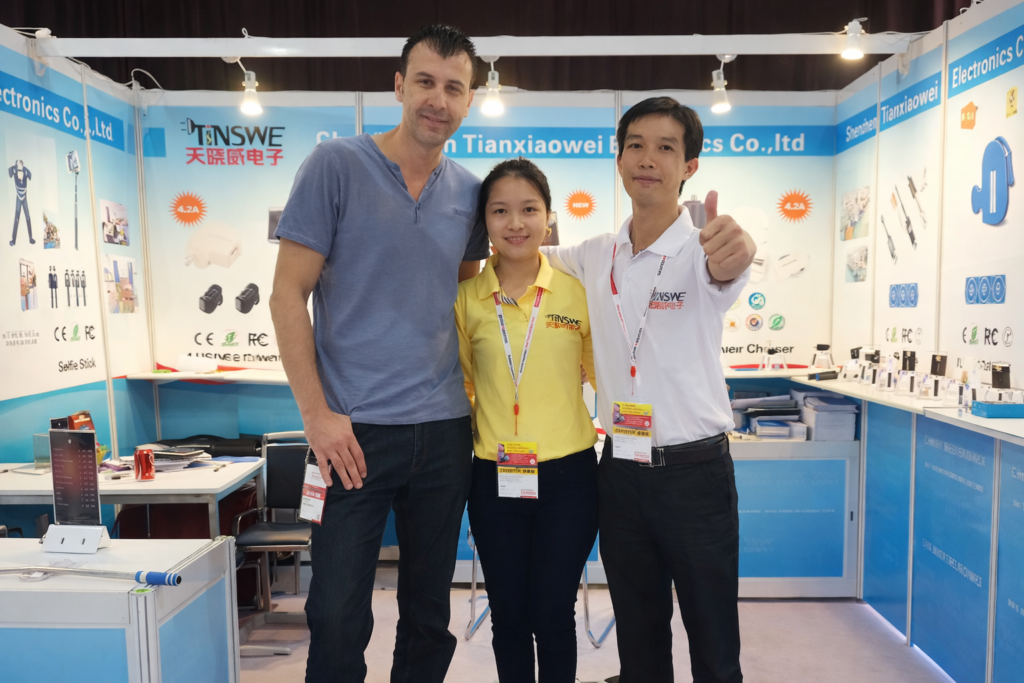
Why Customers Trust Tianxiaowei
Real customer feedback and cooperation moments that reflect our product quality, responsive service, and
long-term manufacturing support.
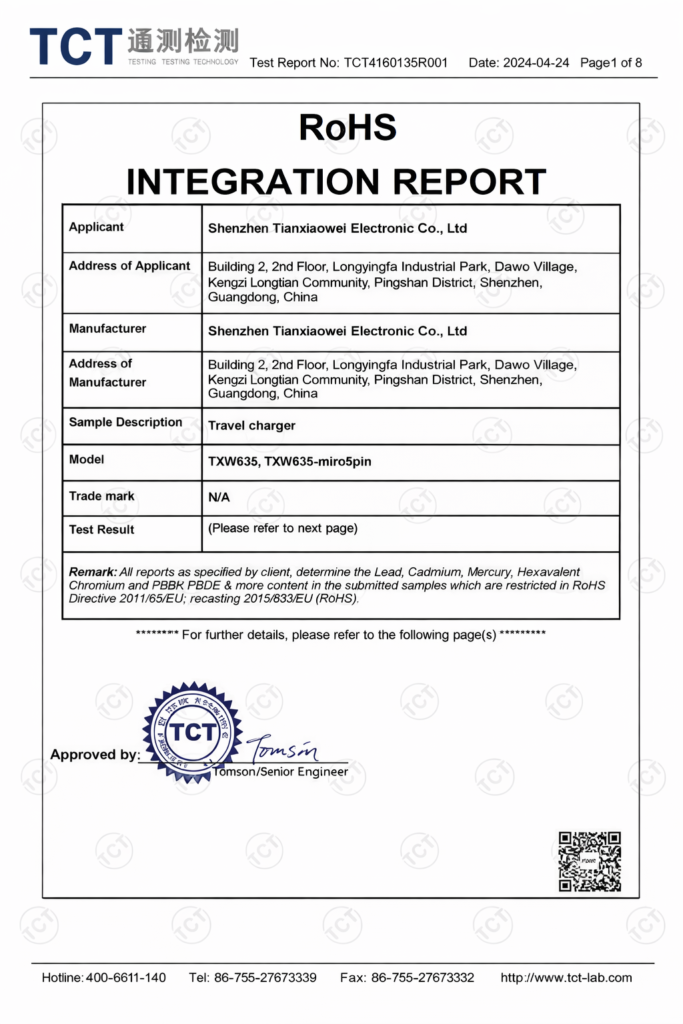
Certificates & material control
BNC Cable Assembly Frequently Asked Questions
Answers below cover the most common specification, quotation, sampling, testing, and production questions. Existing files can be submitted even when several details still need engineering confirmation.
What is a BNC connector cable assembly?
A BNC connector cable assembly combines coaxial cable with one or two terminated connectors for an equipment, RF, video, test, monitoring, or signal connection. The final build is defined by impedance, connector series, cable model, length, orientation, protection, marking, testing, and packaging. A product name alone is not enough for quotation or manufacturing.
How do I choose 50 Ohm or 75 Ohm?
Use the equipment specification, connector datasheet, signal path, cable model, and validation method. 50 Ohm is commonly associated with RF and test systems, while 75 Ohm is often associated with video and broadcast systems. The application, connector series, and cable must agree. Cablivo reviews the supplied specification before sampling.
Can Cablivo review mixed connector ends?
Mixed RF connector assemblies can be reviewed when both connector models, cable model, impedance, length, orientation, and target application are supplied. Availability and production suitability are confirmed before quotation. Do not rely only on names such as BNC to SMA or BNC to TNC; full part numbers or datasheets are preferred.
Which coaxial cable details should I send?
Send the exact cable model and datasheet when available. Also provide impedance, operating range, finished length, flexibility, bend space, movement, environment, jacket needs, and test requirements. If no cable is fixed, describe the equipment and signal path so Cablivo can identify which technical details still need confirmation.
Can a project start from an old sample?
Yes. An old sample, interface photos, equipment photos, length, application, quantity, and problem description can begin a replacement review. A physical sample is more useful than photos alone because internal construction may not be visible. Materials, connectors, tests, and any difference from the old assembly still require confirmation.
Which tests are available for BNC assemblies?
Project-based checks may include continuity, open/short, connector fit, finished length, appearance, marking, pull or strain-relief checks, and packing inspection. Impedance, insertion loss, return loss, VSWR, frequency, SDI-related, or other signal tests require defined limits and methods. Available internal or third-party support is confirmed after review.
How is a sample approved for production?
Approval should link the physical sample with the final drawing, BOM, connector part numbers, cable model, dimensions, test checklist, label file, packing file, and revision number. The project team validates fit and performance using the agreed method. Any later change should be reviewed and recorded before bulk production.
What is the MOQ for a custom project?
MOQ depends on connector sourcing, cable structure, setup, testing, labels, packaging, and the number of SKUs. Many custom cable projects use a 500-piece starting point, but final MOQ is confirmed after the specification and quantity plan are reviewed. Sample or pilot requirements can be discussed separately.
How long do samples and production take?
No single day count fits every BNC assembly. Sample timing depends on connector and cable availability, tooling, complexity, test method, and revision scope. Production timing is confirmed after sample approval, final BOM, order quantity, testing, labels, packaging, and material readiness. Cablivo provides a project schedule after review.
Can branded packaging and labels be supplied?
Brand labels, model labels, barcodes, SKU identification, bags, boxes, inserts, connector protection, and carton marks can be discussed from approved artwork and packing files. Packaging samples may be included in the approval route. Material availability, MOQ, printing method, dimensions, and target market are confirmed before production.
Send Your BNC Cable Assembly Requirements
Share the information already available for your BNC connector cable assembly project. A complete drawing is helpful, but communication can also begin with connector photos, a cable sample, equipment interface images, impedance, preferred coaxial cable, approximate length, target quantity, and application details. Cablivo reviews the material before confirming what is still needed for quotation or sample planning.
For a more accurate quotation, include end-A and end-B connector part numbers, 50 Ohm or 75 Ohm requirement, cable model, finished length and tolerance, straight or right-angle direction, panel or bulkhead details, testing requirements, labels, barcode files, SKU quantities, packaging method, destination market, and target schedule. Sample and production timing are confirmed after connector availability, cable sourcing, assembly structure, test scope, quantity, and packing files have been reviewed.
Sensitive drawings, BOM files, prototype photos, and packaging artwork can be discussed under an NDA when required. Existing information is enough to start; missing details can be identified during the engineering review.