Custom USB C Cable Factory
Custom USB-C cable development and manufacturing support for global brands, engineering teams, private label programs and long-term supply projects.
Bring your drawing, existing sample, connector requirement or product concept to Cablivo for a structured project review.
- USB-C to USB-C and USB-A to USB-C configurations
- Charging, data transfer and device connection requirements
- Custom length, color, jacket, connector shell and overmolding
- Logo, barcode, retail packaging and multi-SKU support
- Sample approval before bulk production preparation
Cablivo supports project development from requirement review and prototype preparation to testing, packaging and shipment coordination.
Manufacturing Scale Behind Your USB-C Cable Program
Cablivo combines manufacturing space, engineering resources, molding equipment and export project coordination to support custom cable programs from early evaluation through repeat production.
18 Years Experience
Eighteen years in cable manufacturing provide experience across requirement review, connector confirmation, sample development, production preparation, inspection and packaging. USB-C projects often involve more than a connector combination. Charging requirements, data functions, cable length, materials, molded structures and retail files need to remain aligned from the first discussion through repeat production.
20,000+ Square Meters
A factory base of more than 20,000 square meters supports material preparation, cable processing, assembly, injection molding, inspection, packaging and warehouse activities. Available manufacturing space helps Cablivo handle different custom cable categories and coordinate several project stages without presenting the operation as a small spot-cable trading business.
1,500+ Person Team
A team of more than 1,500 people supports engineering, quality, purchasing, production, warehouse, sales follow-up and shipment coordination. USB-C programs involving several lengths, colors, logos or packaging versions require more than a production line. Cross-functional coordination helps keep product specifications, approved samples, labels and packing instructions connected.
3 Manufacturing Bases
Three manufacturing bases provide a broader foundation for custom cable, cable assembly, wire harness and overmolded cable programs. Production arrangements still depend on product structure, connector sourcing, tooling, testing and order quantity, but the manufacturing base supports project-based production rather than simple resale of standard USB cables.
80+ Molding Machines
More than 80 injection molding machines support molded connector protection, strain relief structures, custom shells and overmolded cable production. Molding feasibility, material, appearance, cable exit direction and tooling requirements are reviewed before sampling. An approved molded sample then becomes an important reference for production preparation.
Engineering Support
An engineering department of approximately 76 people supports cable structure review, tooling discussion, process evaluation, sample development and production preparation. USB-C specifications should be reviewed according to the device, charging function, data requirement, connector structure, target market and testing plan rather than relying on a generic product description.
USB-C Manufacturing Support for Different Project Teams
USB-C projects reach Cablivo from brands, engineers, procurement departments, distributors and equipment companies. Each group evaluates a factory from a different operating perspective.
Electronics Brands
Electronics brands often need a cable that fits both product performance and brand presentation. Connector shape, cable color, molded logo, jacket feel, retail box and barcode placement may carry equal importance.
- Product appearance matched to the brand line
- Sample review before retail artwork approval
- Consistent logo and color references
- Packaging files linked to each SKU
- Production based on approved specifications
Engineering Teams
Engineering teams usually begin with device interfaces, charging requirements, data functions, drawings or old samples. Cablivo can review available information and identify missing items before prototype work begins.
- Connector and interface confirmation
- Cable length and structure discussion
- Charging and data requirement review
- Overmold and strain relief evaluation
- Sample testing direction
- Revision records before approval
Procurement Teams
Procurement teams need clear commercial and technical boundaries before adding a new factory. Price alone cannot show whether the proposed cable matches the application, packaging plan or quality requirements.
- MOQ and quantity breakdown
- Connector and material sourcing review
- Sample and tooling cost discussion
- Testing scope confirmation
- Production schedule after sample approval
- Packaging and shipment file review
Device Manufacturers
Device manufacturers may require a USB-C cable to fit a limited installation area, specific port position or defined cable exit direction. A standard cable can fit electrically but fail mechanically.
- Device interface photos
- Available installation space
- Straight or angled connector direction
- Required cable flexibility
- Functional test conditions
- Connector-fit sample check
Importers Distributors
Importers and distributors often manage several lengths, colors and packaging versions under one supply program. Clear SKU identification becomes essential when products move through warehouses and regional channels.
- SKU list and quantity per version
- Barcode files
- Product and carton labels
- Packing quantity
- Retail box or bag specifications
- Market-specific artwork
Long-Term Programs
Long-term supply programs require stable project records rather than repeated specification discussions for every order. Approved samples, final drawings, BOM details and packaging files create a stronger basis for repeat production.
- Final product specification
- Approved sample reference
- Material and connector records
- Testing checklist
- Packaging version control
- Repeat-order update review
Common Risks in Custom USB-C Cable Production
Many USB-C problems begin before production. Unclear functional requirements, incomplete files and uncontrolled changes can create failures even when the cable looks correct.
Unclear Power Requirements
“Fast charging cable” does not define a complete manufacturing specification. Required power, device type, charger, connector combination, cable length and electronic identification requirements may affect the structure.
- Define the intended charging application
- Confirm the required power direction
- Review cable length and conductor structure
- Discuss E-Marker requirements where relevant
- Confirm sample test conditions
Incorrect Data Function
A USB-C connector does not automatically mean every cable supports the same data function. A charging-only cable, basic data cable and higher-speed cable may use different internal structures.
- State the required data function
- Provide connected device information
- Confirm cable length
- Review shielding and conductor arrangement
- Define the sample verification method
Connector Fit Problems
Connector fit can be affected by shell size, molded shape, port depth, nearby housing, cable exit direction and device installation space. A connector may insert into the port but interfere with the finished device enclosure.
- Share device interface photos
- Provide connector drawings when available
- Mark surrounding space restrictions
- Confirm straight or angled orientation
- Check the molded sample on the device
Sample Bulk Differences
A successful sample does not automatically protect the bulk order. Material, connector, color, cable length, molded appearance or packaging can change when final files are not frozen.
- Keep an approved physical sample
- Confirm the final drawing and BOM
- Record material and connector information
- Approve logo and color references
- Confirm packaging artwork
- Establish an inspection checklist
Unconfirmed Material Changes
Jacket material, conductor preparation, shielding, connector components and molding material influence appearance, flexibility, durability, cost and application fit. Substitutions should never be treated as an invisible purchasing decision.
- Define the original material direction
- Review sourcing availability
- Discuss alternatives before production
- Compare appearance and flexibility
- Retest affected requirements
- Update project records after approval
Packaging SKU Errors
A technically correct USB-C cable can still create serious channel problems when a barcode, product label, retail box or carton mark is wrong. Multi-SKU programs carry greater mixing risk.
- Link each cable model to one SKU
- Confirm barcode and label files
- Approve retail packaging artwork
- Define packing quantity
- Review carton marks
- Inspect packaging before shipment
How to Evaluate a USB-C Cable Factory
A capable factory should show how project files become samples, approved specifications, controlled production and shipment-ready products. Use the checklist below during supplier qualification.
Evaluation Area
What to Verify
Cablivo Support
Company Identity
Legal company, factory location, manufacturing scope and export support
Shenzhen Tianxiaowei Electronics Co., Ltd., operating the overseas Cablivo brand
Manufacturing Base
Factory space, team, production equipment and warehouse support
20,000+㎡ factory base, 1,500+ person team and 3 manufacturing bases
USB-C Product Scope
Connector combinations, charging, data, logo, packaging and application
Project-based USB-C charging, data, private label and device cable development
Engineering Review
Drawings, samples, BOM, connector information and application details
Requirement, drawing, sample and connector review before sampling
Molding Capability
Tooling, connector protection, strain relief and custom appearance
80+ injection molding machines and tooling discussion support
Sample Control
Prototype, feedback, revision and final sample approval
Sample development and revision according to confirmed feedback
Production Control
Approved sample, final files, materials and process preparation
Production preparation based on approved specifications
Testing
Charging, data, continuity, connector fit, appearance and packaging
Project-based testing checklist confirmed before production
Private Label
Logo, barcode, SKU, retail packaging and carton marks
Product and packaging file review
Long-Term Supply
Version records, repeat-order files and change approval
Repeat-order coordination based on confirmed project records
Custom USB-C Cable Types Available for Development
Different USB-C projects require different connector combinations, functions, cable structures and packaging plans. Select a product direction, then provide the intended device and target specifications.

USB-C To USB-C
USB-C to USB-C cables can be developed for charging, data transfer or combined functions according to the intended device and specification. Cable length, connector shell, internal structure, E-Marker requirements, jacket material and testing scope should be reviewed before sampling. Avoid using one generic Type-C specification across several power or data models.

USB-A To USB-C
USB-A to USB-C cables remain widely used for chargers, computers, hubs, accessories and legacy equipment. Projects can include custom length, color, jacket, connector shell, molded logo and packaging. The required charging and data functions should be stated clearly because identical external connectors can contain different internal structures.

USB-C Charging Cable
Charging cable development begins with the connected device, charger, target power requirement, cable length and connector combination. Cablivo can review the available information and recommend which details require confirmation before sampling. Charging function checks should use an agreed test condition rather than a general “fast charging” label.

USB-C Data Cable
USB-C data cable projects should define the expected transfer function, connected equipment, cable length and any shielding requirements. Charging and data functions may need to be tested separately. A sample can be checked with the intended equipment or an agreed test method before final specifications are prepared for production.

Overmolded USB-C Cable
Overmolded USB-C cables provide options for connector protection, strain relief, cable exit direction and branded appearance. Mold shape, material, logo, connector dimensions and tooling feasibility should be reviewed together. The molded sample should be checked for appearance, fit and function before becoming a bulk production reference.

Braided USB-C Cable
Braided structures can support a more distinctive appearance and additional surface protection for private label product lines. Braid color, pattern, cable diameter, flexibility, connector shell and packaging space should be discussed. Braided appearance should be approved by sample because material texture and color can influence the final retail presentation.

Device USB-C Cable
Device-specific USB-C cables may require a defined cable exit direction, installation space, connector shell size or another customized termination. Product teams can provide device interface photos, drawings, old samples and application notes. Sample fit checks help confirm whether the connector and molded structure work with the finished device.

Retail USB-C Cable
Retail programs combine cable performance with logo, barcode, SKU, insert card, bag, box and carton requirements. Product versions should be organized by connector combination, length, color, function and packaging. Artwork and barcode files should be approved before production so warehouse and channel operations receive the correct version.
USB-C Cable Solutions for Product Applications
The intended equipment determines which cable functions, dimensions and materials deserve attention. Share the connected device and usage environment before selecting a final structure.

Smartphones Tablets
USB-C cables for smartphones and tablets may focus on charging, data transfer, retail appearance or a combination of functions. Brands often require multiple lengths, colors and packaging versions.
- Confirm connector combination
- State the charging requirement
- Define any data function
- Select jacket and color
- Provide logo and packaging files

Laptops Computers
Laptop and computer cable programs may involve higher charging requirements, data transfer, docking equipment or accessory connections. Product teams should avoid assuming every Type-C cable can handle the same application.
- Identify connected equipment
- Define the required function
- Confirm target cable length
- Review E-Marker needs where relevant
- Agree on sample verification

Hubs Docking Stations
Hubs and docking stations may use USB-C cables for power, data, display-related functions or device connection. Cable structure and length can affect the intended performance.
- Provide hub or dock model information
- State required connection functions
- Share interface drawings when available
- Confirm cable length and installation position
- Define sample testing conditions

Smart Devices
Smart devices often require specific connector shells, cable lengths, colors or molded structures to match the enclosure and brand identity. Some projects start from an existing device prototype rather than a finished drawing.
- Share device interface photos
- Mark installation restrictions
- Define charging or data needs
- Confirm cable exit direction
- Provide target quantity

Charging Equipment
USB-C cables supplied with chargers or charging equipment should be developed as part of the complete product experience. Cable power requirements, connector combination, length and packaging need to match the charging product.
- Provide charger and device information
- State the intended power requirement
- Discuss cable marking
- Confirm packaging configuration
- Define functional tests

Retail Programs
Retail accessory programs often combine several cable models, colors, lengths and price positions. Packaging and identification require the same level of control as the cable itself.
- Prepare an SKU breakdown
- Link each barcode to one model
- Confirm retail artwork
- Define carton packing
- Review market requirements
USB-C Cable Specification Checklist Before Quotation
Accurate quotations depend on connector, function, material, quantity and packaging information. Complete as many items as possible; incomplete projects can begin with photos or old samples.
Specification Item
Options or Review Direction
Information to Provide
Connector Combination
USB-C to USB-C, USB-A to USB-C or another project termination
Connector type or device interface
Charging Function
Defined according to charger, device and project requirement
Target charging requirement
Data Function
Charging only, basic data or another confirmed data requirement
Connected device and expected function
Cable Length
Customized according to application and packaging
Required length and tolerance
Cable Diameter
Determined by structure and application
Space, flexibility and appearance needs
Jacket Material
PVC, TPE, TPU, silicone or another reviewed material
Application, target market and feel
Cable Shape
Round, flat or another reviewed structure
Installation and packaging conditions
Shielding
Reviewed according to data and device requirements
Functional and testing needs
Connector Shell
Standard or custom appearance
Drawing, dimensions or reference photo
Cable Exit Direction
Straight, left angle, right angle or project-specific
Device space and orientation
Overmolding
Connector protection, strain relief or branded form
Drawing, sample or concept
Logo
Molded, printed or label-based
Vector artwork and position
Color
Cable, braid, shell and packaging colors
Color reference or code
Packaging
Bulk bag, retail box, insert card or another configuration
Artwork and packing quantity
Barcode SKU
Product label, barcode and carton mark
SKU list and barcode files
Testing
Charging, data, continuity, fit, appearance and packaging
Required inspection plan
Target Quantity
MOQ and production planning depend on project details
Quantity per SKU
Target Market
Compliance and marking vary by destination
Country or sales region
Nine Ways to Customize Your USB-C Cable
A private label USB-C product can be developed across function, structure, appearance and packaging. Each decision should match the connected equipment and sales program.
Connector Combination
Choose USB-C to USB-C, USB-A to USB-C or another project-specific termination. Connector selection should include function, fit, shell dimensions and sourcing availability. Provide device information, connector drawings or old sample photos whenever possible so the proposed connector can be reviewed before sample preparation.
Cable Length
Length affects usability, electrical structure, packaging size and shipping efficiency. Provide the target length, tolerance and measurement method. Multi-length retail programs should assign a separate SKU and packaging file to each version so product identification remains clear during production, packing and repeat orders.
Charging Function
Define the charger, connected device and expected charging requirement. “Fast charging” alone is not a complete specification. Higher-power projects may require additional component and electronic identification review. Charging performance should be checked on a confirmed sample under an agreed condition before production claims are finalized.
Data Function
State whether the cable is charging-only, supports a basic data function or requires another defined transfer capability. Cable length, internal structure, shielding and connector components may differ. Sample testing should follow the expected device application or an agreed test method rather than relying on connector appearance.
Jacket Material
Jacket selection influences flexibility, surface feel, appearance, processing and cost. PVC, TPE, TPU, silicone and other materials can be discussed according to the application. Material compliance should be confirmed using actual material information and supplier documents for the intended market rather than broad universal claims.
Color Appearance
Cable, braid, connector shell, molded body, label and packaging colors can be coordinated for a brand line. Provide color references or physical samples for important shades. Final appearance should be checked through samples because material texture, lighting and production method can affect perceived color.
Molded Structure
Custom overmolding can support connector protection, strain relief, cable exit direction and branded appearance. Tooling feasibility, mold dimensions, logo position and material should be reviewed together. A molded sample is required to evaluate fit, function and visual quality before the structure becomes a production reference.
Logo Branding
Logo options may include a molded mark, printed mark, cable label or packaging logo depending on product structure. Provide vector artwork, size, position and color requirements. Brand files should be approved with the product sample or packaging sample before bulk production preparation.
Retail Packaging
Packaging can include a bag, insert card, retail box, barcode, SKU label and export carton. Each file should be linked to the exact cable model. Packaging samples or printed proofs help confirm dimensions, text, barcode placement and packing method before larger quantities are produced.
USB-C Connector Fit and Overmold Engineering
USB-C projects often fail through mechanical details rather than cable appearance. Connector dimensions, device space, cable exit direction and molded strain relief should be reviewed before tooling or production.
Connector Selection Must Match the Complete Application
A USB-C plug may look standard from a distance, yet the final assembly includes the metal plug, internal termination, shell, molded body, strain relief and cable exit. Each part can influence whether the finished cable fits the device enclosure and performs as intended.
Engineering review can begin with a connector drawing, device interface drawing, connector datasheet, physical sample or clear photographs. When complete drawings are unavailable, mark the port position, nearby housing, insertion depth and available clearance. Product teams should also state whether the cable exits straight, left, right or at a 90-degree angle.
- USB-C plug and shell dimensions
- Device port depth and nearby enclosure
- Straight or angled cable exit
- Connector orientation
- Cable diameter near the connector
- Molded body size
- Required grip area
- Installation and removal space
Overmolding Converts Structure Into Repeatable Production
Overmolding can protect the connector termination, create strain relief, support a branded shape and control cable exit direction. A successful molded structure must balance appearance, device fit, tooling feasibility, processing stability and cable movement.
Cablivo supports tooling discussion through a mold engineering team of approximately 12 people. The wider tooling base includes CNC, milling, grinding and wire-cutting equipment used for mold development and adjustment. More than 80 injection molding machines support molded and overmolded cable production.
- Molded body shape and dimensions
- Strain relief length and geometry
- Logo position and depth
- Mold material selection
- Cable entry and exit direction
- Surface finish
- Color reference
- Tooling requirement
- Sample approval method
USB-C Cable Structure and Material Selection
Cable structure should follow the charging function, data requirement, length, flexibility, appearance and target market. Materials are selected by project rather than treated as universal solutions.

Conductor Structure
The conductor carries charging current and electrical signals. Copper type, strand construction and conductor size should be selected according to the required function, cable length, flexibility and cost target.
- Review charging and data needs
- Confirm cable length
- Discuss flexibility
- Define test conditions
- Avoid unsupported fixed AWG claims

Core Insulation
Core insulation separates internal conductors and supports the electrical structure before shielding and outer jacket processing. Material and dimensions depend on the cable design.
- Match insulation to the internal structure
- Consider processing requirements
- Review target application
- Confirm any compliance need
- Test according to the project

Shielding Structure
Shielding may be discussed for data, signal and device connection requirements, but not every USB-C cable needs the same shielding arrangement. Foil, braid or combined structures should follow the defined function.
- State the required data function
- Provide cable length
- Identify connected devices
- Confirm space and flexibility
- Define verification requirements

Outer Jacket
The outer jacket influences appearance, flexibility, surface feel, abrasion protection, processing and retail positioning. PVC, TPE, TPU, silicone or another material can be reviewed.
- Share flexibility preferences
- Define product environment
- Select surface feel
- Confirm color needs
- Review market documentation

Braided Protection
A braided outer layer can create a distinctive retail appearance and add surface protection. Braid material, density, pattern, color and finished diameter should match the product concept.
- Coordinate braid and shell colors
- Confirm finished cable diameter
- Check flexibility
- Review connector transition
- Confirm packaging space

Molded Protection
Molded material surrounds the connector termination and forms the strain relief. Material behavior, connector dimensions and cable diameter affect the result.
- Review molded dimensions
- Confirm cable exit
- Check device fit
- Approve logo placement
- Verify sample appearance
Define Charging, Data and Device Functions Clearly
USB-C connector appearance cannot define cable performance. Separate the required functions, provide the connected equipment and agree on a sample verification method.
Project Function
Information Required
Review and Verification Direction
Charging Only
Charger, device, connector combination, length and target requirement
Review cable structure and confirm charging test conditions
Charging Only
Charger, device, connector combination, length and target requirement
Review cable structure and confirm charging test conditions
Charging and Basic Data
Connected devices and required data use
Check charging and data functions separately
Higher-Power Charging
Exact power requirement, device, charger and cable length
Review conductor structure, components and E-Marker requirement where relevant
Defined Data Transfer
Expected transfer function, device and length
Review internal structure, shielding and test method
Dock or Hub Connection
Dock model, host device, peripherals and cable function
Confirm all required connection functions before sampling
Device-Specific Cable
Device interface, installation space and cable exit
Perform connector-fit and functional sample checks
Custom Overmolded Cable
Connector drawing, shell dimensions, logo and cable diameter
Review tooling, fit, appearance and strain relief
Retail Product Program
Exact model claims, packaging artwork and target market
Keep product claims linked to the verified cable model
Engineering Review Before USB-C Cable Sampling
A clear engineering review reduces repeated samples and prevents incomplete descriptions from becoming incorrect production specifications. Projects can begin from drawings, old samples, photos or application details.
Start With the Best Information Already Available
Not every project begins with a complete drawing. A brand may have an old cable, a device prototype, a connector photograph or a packaging concept. Cablivo can review the available materials first and identify which specifications need confirmation before sampling.
- Product or device application
- USB-C connector combination
- Old sample photographs
- Physical sample
- Device interface photographs
- Drawing or dimensional sketch
- BOM
- Cable length
- Charging requirement
- Data requirement
- Target quantity
- Logo and packaging concept
- Target market
- Testing expectations
Turn Project Inputs Into a Sample Specification
Engineering review organizes available information into a specification that can be sampled and checked. Missing details are discussed before material preparation or tooling begins.
- Checking connector type and dimensions
- Comparing the old sample with drawings
- Confirming cable length and tolerance
- Discussing conductor and jacket direction
- Reviewing charging and data functions
- Evaluating shielding needs
- Reviewing overmold structure
- Confirming logo and color
- Defining sample test items
- Identifying packaging requirements
From USB-C Requirements to an Approved Sample
Sample development turns product requirements into a cable that can be checked for fit, function, appearance and packaging before production preparation begins.
Submit Project Files
Send the drawing, old sample photos, device interface, connector requirement, cable length, charging or data function, target quantity and packaging concept. Complete information improves review efficiency, but projects can begin with partial materials when the missing items are clearly identified before sample preparation.
Engineering Review
Engineering staff review the connector, cable structure, materials, application, molded design and testing direction. Any conflict between the requested function, cable length, connector structure or device space should be discussed before material and tooling arrangements move forward.
Confirm Sample Scope
The sample scope defines what the prototype must prove. Checks may cover connector fit, charging function, data transfer, cable length, color, flexibility, molded appearance, logo position or packaging dimensions. Sample timing depends on connector availability, materials, tooling and testing requirements.
Build Prototype
Materials and components are prepared according to the confirmed sample specification. Prototype processing may include cable preparation, soldering, connector assembly, molding, labeling and packaging work. Complex molded or multi-component projects may require additional engineering and tooling review before completion.
Test and Review
The sample is checked against agreed requirements. Feedback should identify the exact issue, expected change and affected file. Photographs, measurements, device test results or annotated drawings help engineering teams understand revisions more accurately than broad comments such as “make it better.”
Approve Final Sample
Once function, fit, appearance and packaging are accepted, the approved sample and final files become references for production preparation. Approval should include the final drawing, BOM direction, materials, color, logo, packaging artwork and testing checklist where applicable.
Approved Samples Create Better Bulk Production Control
Sample approval is not the end of development. It creates the physical and documentary references required to prepare materials, processes, inspections, packaging and repeat orders.
Freeze the Final Product Standard
A physical sample alone may not explain every production detail. The approved standard should combine the sample with final project files and written requirements.
- Approved physical sample
- Final drawing
- Final BOM
- Connector reference
- Cable length and tolerance
- Material direction
- Color reference
- Molded structure
- Logo artwork and position
- Packaging artwork
- Barcode and SKU files
- Testing checklist
- Packing quantity
- Carton mark
Control Revisions Before the Next Production Run
Changes can occur after sample approval. A component may become unavailable, a brand may update its logo, or a packaging design may change. Any revision should be reviewed for its effect on function, fit, appearance, cost, schedule and existing tooling.
- Previous version
- Requested change
- Reason for change
- Affected components or files
- Need for a revised sample
- New test requirements
- Approval date
- Production version
Production Process for Power Cable Assemblies
Power cable production may include cutting, stripping, crimping, soldering, overmolding, assembly, testing, labeling and packaging, depending on cable structure.
Typical production flow:

Material and connector preparation
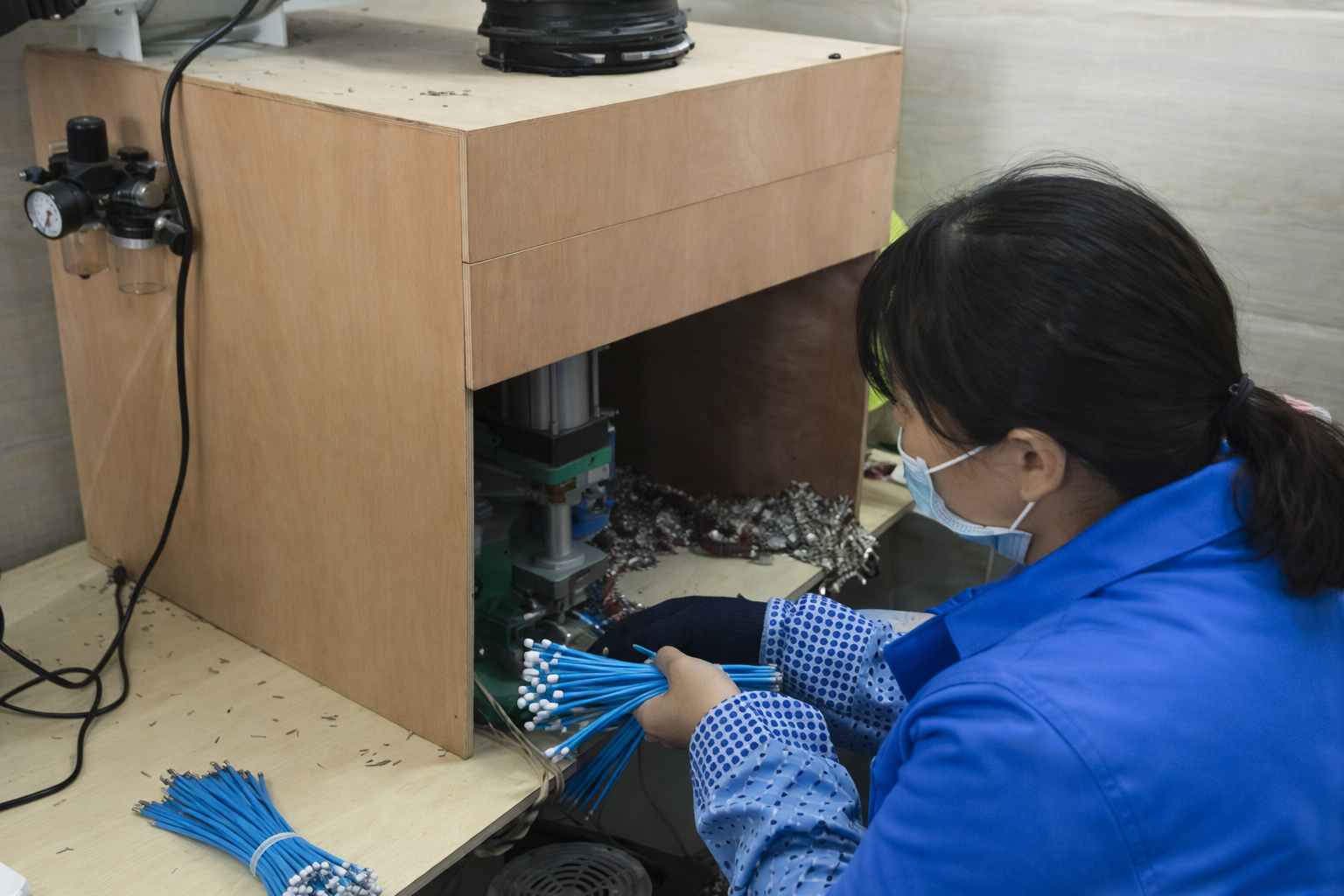
Cable cutting and stripping
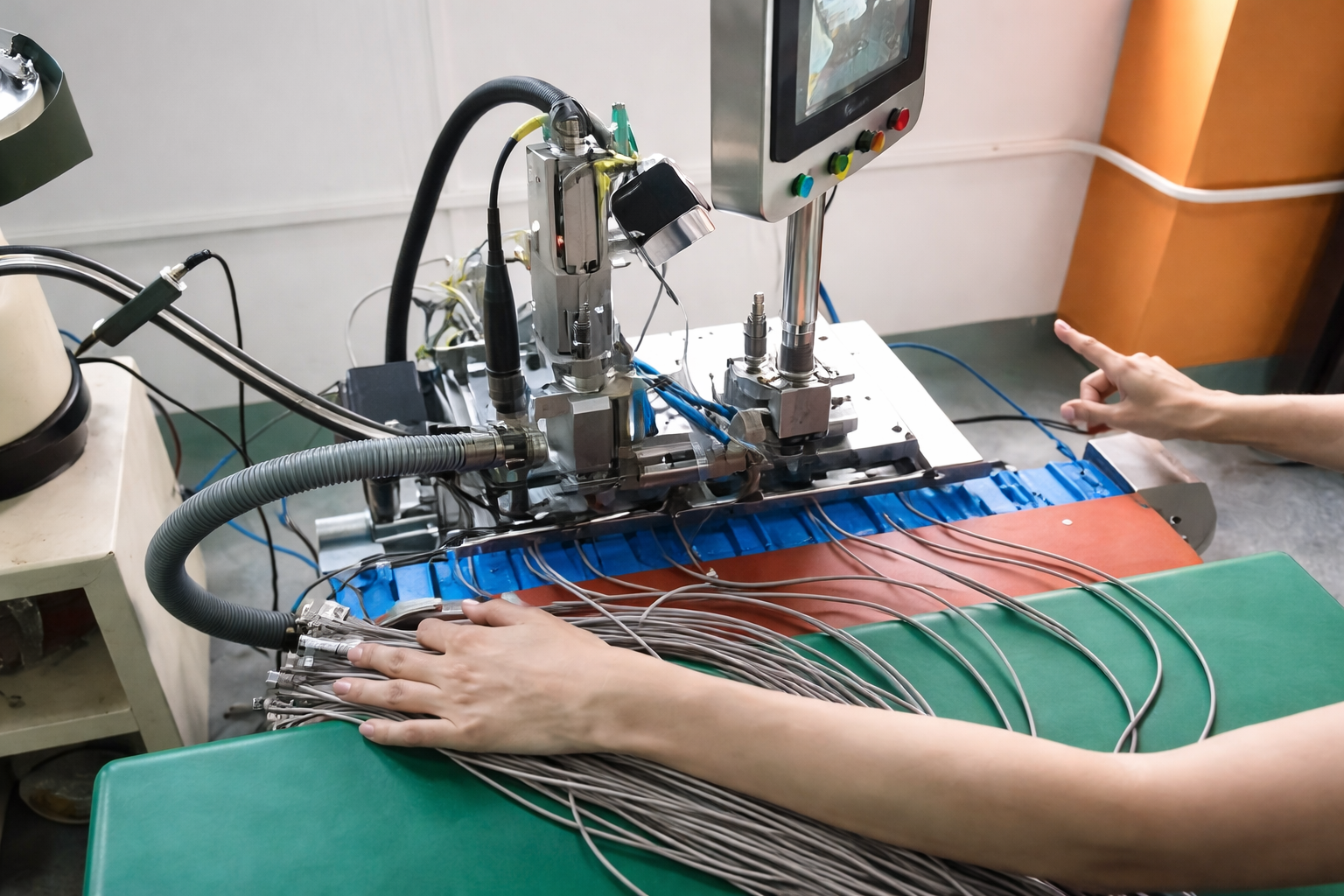
Terminal crimping or soldering

Injection Molding / Connector Assembly
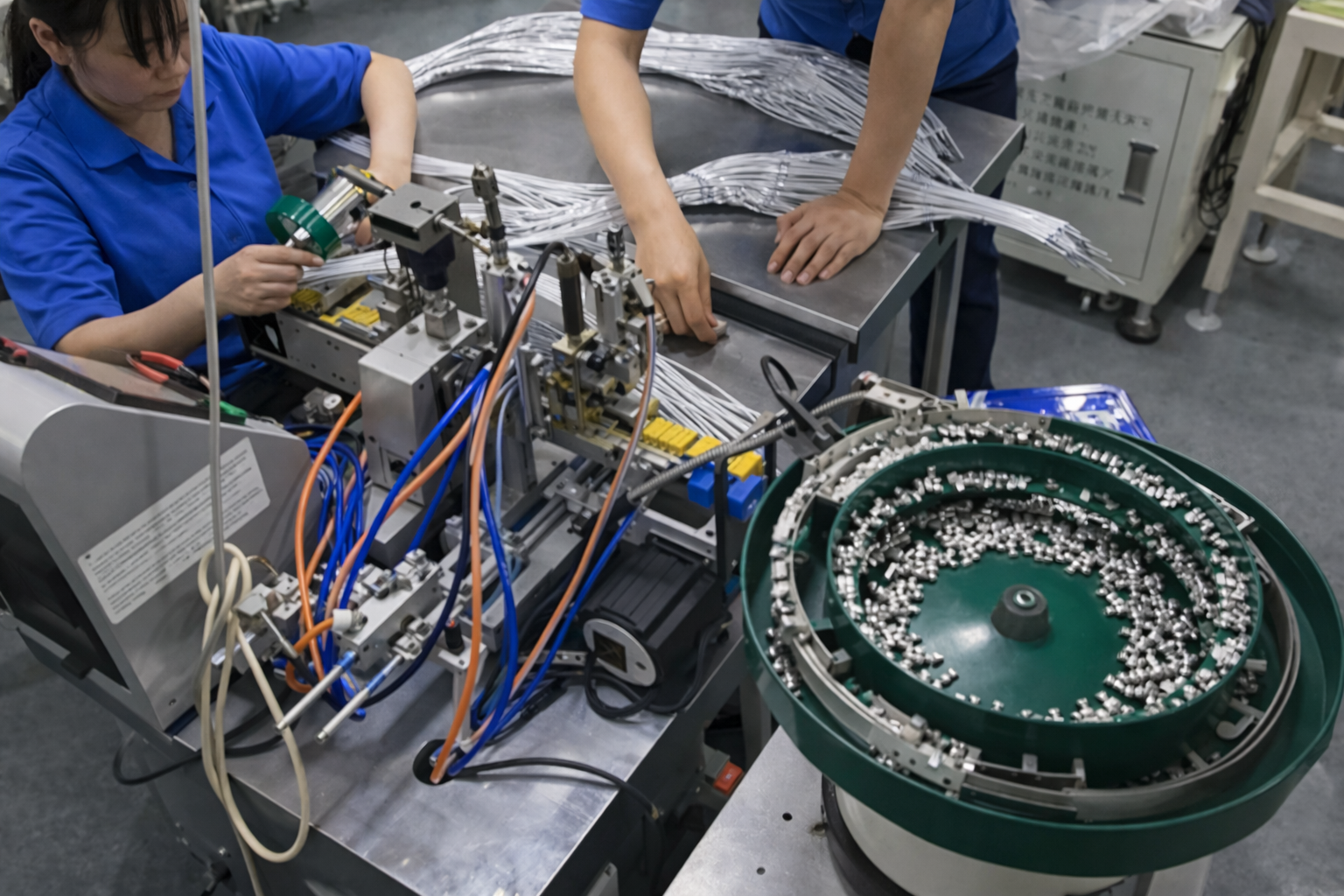
Connector assembly
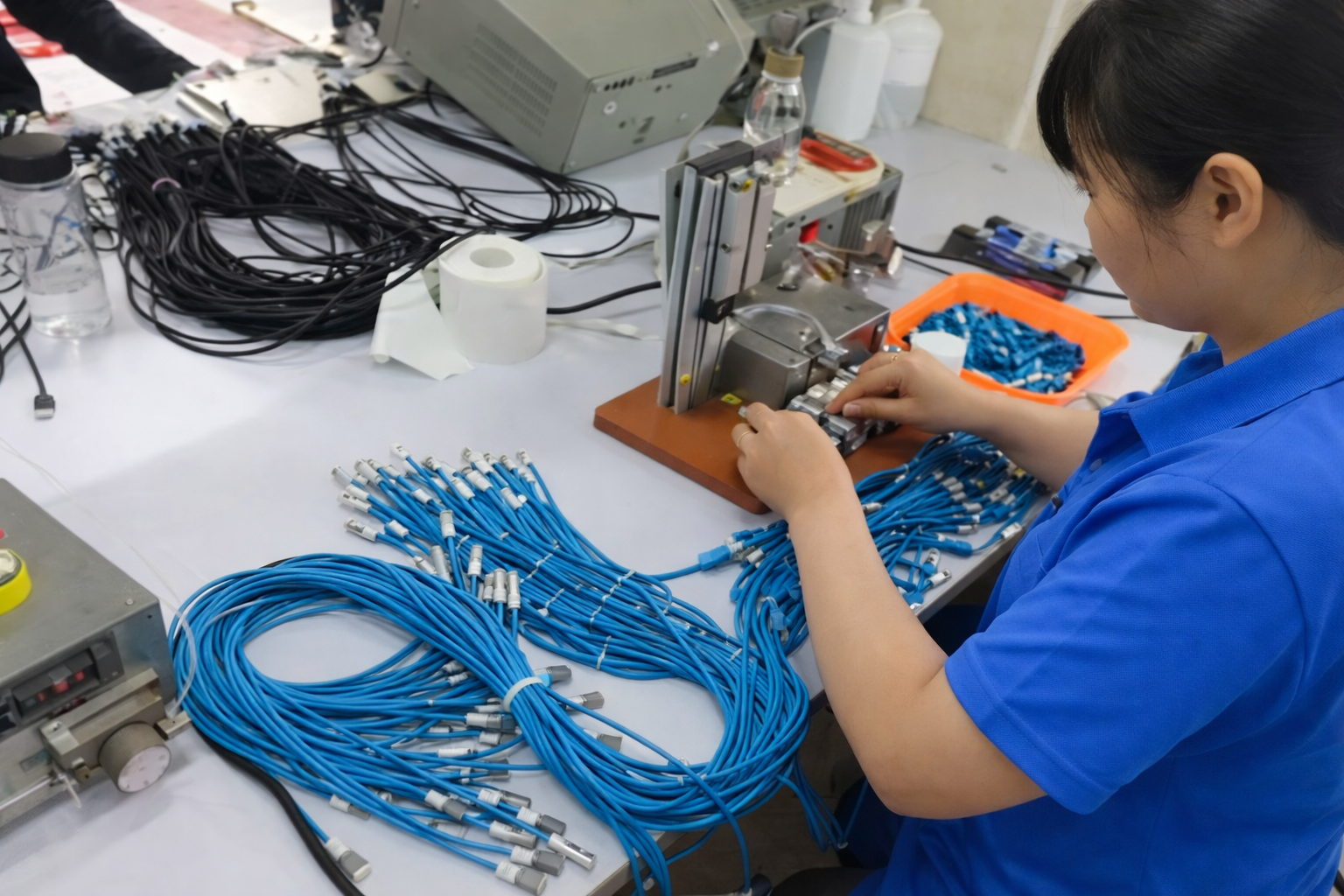
Sleeve, heat shrink or overmold processing
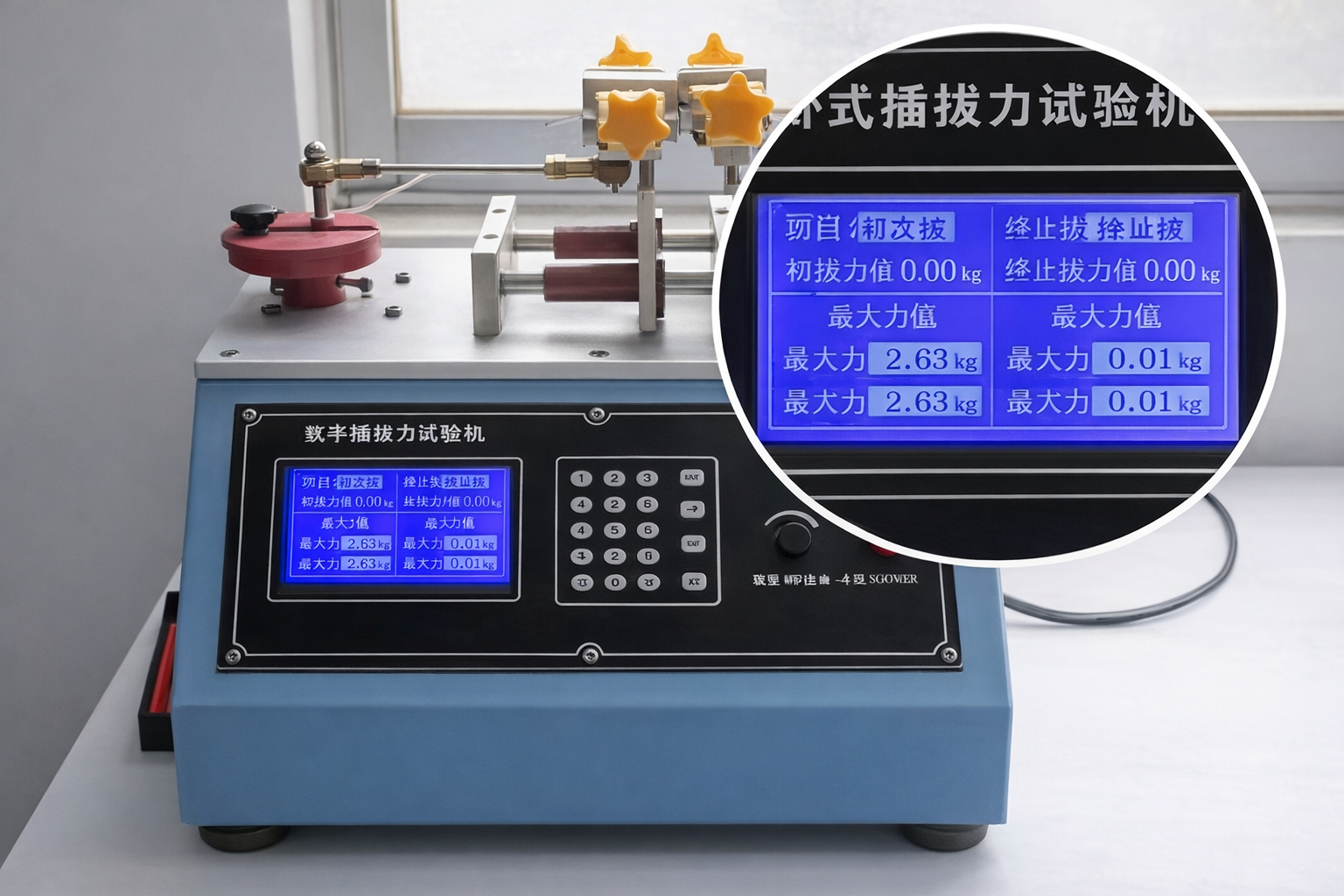
Continuity, polarity or fit check
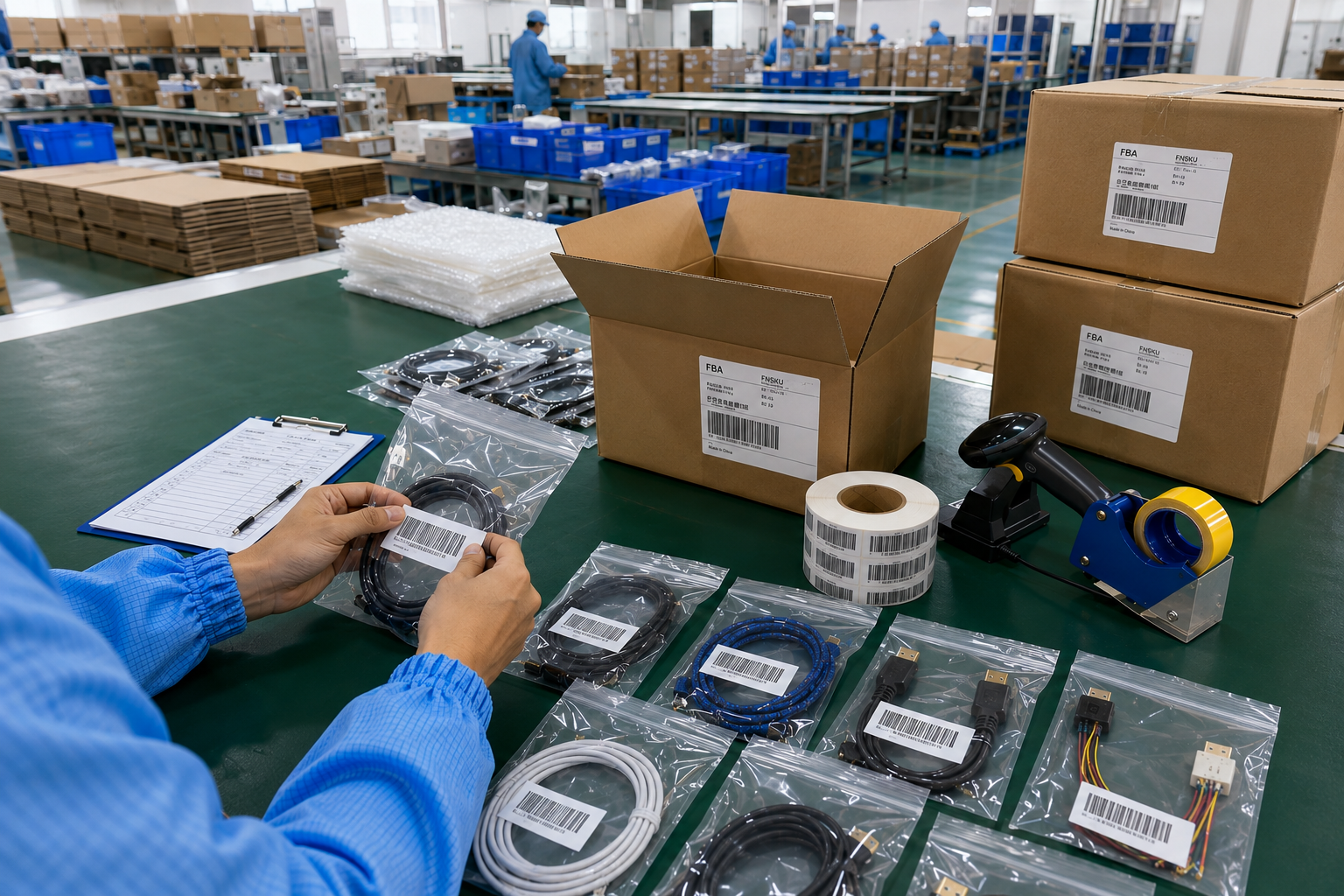
Appearance and label inspection

Packing, carton mark and shipment preparation
Tooling and Overmolding for Branded USB-C Cables
Custom molded connectors can improve protection and brand recognition, but reliable results require engineering review, mold development, sample approval and controlled production.
Tooling Capability for Custom Connector Shapes
Cablivo’s mold engineering team includes approximately 12 mold engineers, supported by mold technicians and related process staff. The equipment base includes around 120 sets of CNC, milling, grinding and wire-cutting tooling equipment for mold development and adjustment across custom molded cable projects.
- Connector shell dimensions
- Molded body shape
- Strain relief structure
- Logo position
- Cable entry angle
- Parting line
- Surface finish
- Material flow
- Color
- Mold maintenance
- Expected order plan
Sample Approval Before Overmolded Production
Overmolding joins the connector, cable and molded material into one visible product area. Changes in cable diameter, connector shell, mold material or logo can affect appearance and fit. A molded sample should therefore be reviewed as a complete assembly.
- Connector fit on the intended device
- Molded dimensions
- Cable exit direction
- Strain relief movement
- Surface condition
- Logo clarity
- Color match
- Functional test
- Packaging fit
USB-C Cable Testing Based on Project Requirements
Testing should answer clear project questions. A charging cable, data cable, molded device cable and retail product may require different inspection items.

Charging Function Test
Charging checks evaluate whether the sample or production cable performs according to the agreed charging requirement and test condition. The charger, device, cable length and intended function should be defined before testing.
- Confirm the test setup
- Record the cable model
- Check the required function
- Compare against the approved sample
- Avoid universal compatibility claims

Data Transfer Test
Data checks confirm whether the cable supports the data function defined for the project. External connector appearance cannot verify internal performance.
- State the required data use
- Identify connected equipment
- Confirm cable length
- Define the test method
- Record the tested sample

Continuity Test
Continuity testing helps identify open circuits, incorrect connections or connection instability according to the cable structure. It provides an important electrical check during sample evaluation or production inspection.
- Confirm the connector configuration
- Use the agreed wiring structure
- Check for open circuits
- Check for short circuits where relevant
- Record inspection criteria

Connector Fit Check
Connector fit checks confirm whether the plug, shell and molded body work with the intended device or dimensional reference.
- Inspect insertion and removal
- Check surrounding enclosure clearance
- Confirm connector orientation
- Review cable exit direction
- Examine molded dimensions

Swing Bending Test
Swing or bending tests may be discussed where cable movement and strain relief are important. Test conditions should be agreed according to the product structure and application.
- Define the bending position
- Confirm angle and load
- Set the required cycle method
- Inspect function after testing
- Record visible damage

Connector Life Test
Connector insertion and removal testing may be considered for projects with defined lifecycle requirements. The connector, device or matching fixture must be suitable for the test.
- Agree on insertion method
- Confirm the mating interface
- Inspect connector condition
- Check function after testing
- Record the project requirement

Appearance Inspection
Appearance inspection checks visible features against the approved sample and artwork. Relevant items may include cable color, molded surface, shell condition, logo position, label placement and overall cleanliness.
- Use approved visual references
- Check color and finish
- Review molded defects
- Confirm logo location
- Inspect labels

Packaging Inspection
Packaging inspection connects the correct cable model to the correct bag, box, barcode, SKU and carton. Multi-SKU programs require strong identification controls.
- Verify product and packaging match
- Scan or check barcodes
- Confirm SKU labels
- Count packing quantities
- Review carton marks
Certification and Compliance Require Model-Level Confirmation
Certification, marking and material documentation should match the exact cable model, target market and project specification. A general factory statement cannot replace product evidence.
Requirement
Recommended Confirmation
Evidence to Review
Product Model
Exact connector, function, length and construction
Model specification
USB-IF Requirement
Whether formal USB-IF compliance is required
Valid TID or relevant listing for the exact model
Power Marking
Required power identification for the cable model
Approved marking and test evidence
Data Capability
Exact supported data function or speed
Product-specific report
E-Marker
Whether electronic identification is required
Component information and programming record where applicable
Material Compliance
Actual jacket, conductor, molding and packaging materials
Supplier declarations or test documents
Target Market
Country-specific labeling or compliance needs
Market requirement checklist
Third-Party Testing
Required laboratory or test scope
Report linked to the cable model
Retail Claims
Charging, data, material and compatibility wording
Approved claim file
Packaging Artwork
Correct model, rating, barcode and legal text
Final approved artwork
Six Controls From Approved Sample to Bulk Production
Stable production depends on shared references, controlled materials, process instructions, inspection criteria and packaging files. Generic “strict quality” wording cannot replace these controls.
Approved Sample
The approved sample provides a physical reference for dimensions, connector fit, function, color, molded appearance and overall workmanship.
- Keep the approval version identified
- Record approval feedback
- Link the sample to final files
- Use it during production preparation
- Review any later change
Final Drawing BOM
Final drawings and BOM information turn sample decisions into controlled instructions for engineering, purchasing and production.
- Confirm connector references
- Record cable structure
- Define materials
- Mark length and tolerances
- Include labels and packaging where relevant
Material Confirmation
Cable, connector, molding, label and packaging materials should follow approved project information.
- Check component sourcing
- Review incoming materials
- Discuss unavailable items
- Obtain approval for alternatives
- Update records after changes
Process Preparation
Production instructions connect engineering specifications to cutting, soldering, assembly, molding and inspection operations.
- Define working steps
- Prepare tooling and fixtures
- Confirm important dimensions
- Train relevant operators
- Establish in-process checks
Testing Checklist
A testing checklist defines what quality staff should verify and how acceptance is judged.
- Charging or data function
- Continuity
- Connector fit
- Length and appearance
- Logo and label
- Packaging
Packaging Files
Product and packaging records should remain linked through the final packing stage.
- Match cable model and SKU
- Verify barcode
- Confirm retail artwork
- Check packing quantity
- Review carton marks
- Prepare shipment information
Private Label Packaging and Multi-SKU Cable Programs
A retail-ready USB-C program combines product design with branding, identification, packing and export preparation. Each element should match the correct cable version.

Molded Logo
A molded logo can become part of the connector body during overmolding. Artwork, size, depth, position and mold feasibility should be reviewed before tooling. The molded sample should be approved for clarity, orientation and appearance because small design details may reproduce differently in molded material.

Printed Logo
Printed logos can be applied to suitable connector shells, cable areas, labels or packaging. Surface material, print area, color and wear expectations should be discussed. A print sample or production proof helps confirm size, color and position before a larger quantity is processed.

Cable Label
Cable labels can show model, SKU, length, internal reference or other project information. Label material, size, position and content should match the application. Industrial and multi-SKU programs may use labels for identification, while retail products may prioritize discreet branding and regulatory information.

Barcode Label
Barcode files should be provided in a usable format and linked to the correct product version. Barcode size, print quality, placement and scanning should be reviewed before production. One incorrect barcode can affect receiving, inventory and sales even when the cable inside the package is correct.

SKU Management
Each connector, length, color, function or packaging variation should receive a clear SKU. A structured SKU list helps purchasing, production, quality, warehouse and shipping teams identify the correct version. Quantity per SKU should be confirmed during quotation because highly fragmented orders can affect production and packaging planning.

Retail Packaging
Retail options may include bags, insert cards, hanging cards or boxes according to the channel. Packaging dimensions should fit the cable without excessive bending or unnecessary shipping volume. Artwork, barcode, model claims and included accessories should be approved before printing.

Export Cartons
Export carton planning includes packing quantity, carton dimensions, gross weight, carton mark and handling requirements. Multi-SKU orders may need separated cartons or clear exterior identification. Carton information should match the packing list and approved shipment plan.

Packaging Inspection
Packaging inspection checks product-to-SKU matching, artwork version, barcode, label, packing quantity and carton mark. A complete inspection is especially important for launches involving several lengths, colors or regional versions. Packaging records can also support repeat orders and later artwork updates.
MOQ, Quotation and Production Schedule Planning
Many custom USB-C projects start from 500 pieces. Final MOQ, cost and schedule depend on product structure, connector sourcing, tooling, testing, packaging and SKU quantity.
Sample development should create a confirmed reference for bulk production. Clear revision records help avoid appearance, wiring or packaging changes later.
Project Factor
Effect on Quotation or Planning
Recommended Input
Base MOQ
MOQ starts from 500 pcs for many custom cable projects
Quantity per cable model
Connector
Special connectors may affect sourcing and MOQ
Exact model or device interface
Cable Structure
Charging, data, shielding and length influence construction
Required function and length
Material
Jacket, braid and molding materials affect cost and preparation
Material direction and target market
Overmolding
Existing mold or new tooling changes cost and schedule
Drawing, logo and connector dimensions
SKU Count
Many small SKU quantities can increase setup and packing complexity
Quantity breakdown
Logo
Molded or printed branding requires file and process review
Vector artwork
Packaging
Retail box, insert, barcode and carton affect unit cost
Packaging files and packing quantity
Testing
Additional tests require clear methods and equipment preparation
Testing checklist
Sample Schedule
Depends on structure, connector availability, materials, tooling and tests
Complete project files
Bulk Schedule
Depends on packing completion and selected shipping arrangement
Destination and shipping preference
Representative USB-C Cable Project Scenarios
The examples below describe suitable project directions without naming brands, order values or unsupported performance results. Each project begins with specification review and sample approval.

Private Label Charging Line
A North American electronics brand plans a USB-C charging cable line with several lengths, coordinated colors, molded branding and retail packaging. Cablivo reviews the connector combination, charging requirement, cable structure, color references, logo artwork, barcode files and packaging dimensions. Product and packaging samples are checked before production preparation. Final files link each length and color to the correct SKU, barcode and carton arrangement.

Device Interface Cable
An equipment development team needs a USB-C cable for a device with limited connector clearance and a defined cable exit direction. The team provides interface photographs, a dimensional sketch, application details and a target quantity. Engineering review focuses on connector shell dimensions, molded body size, strain relief and cable flexibility. A prototype is checked on the device before the connector and molded structure are approved for production planning.

Replacement Supply Program
A distributor wants to replace an existing USB-C source after facing inconsistent color, changing connector shells and packaging errors. The existing sample, artwork, SKU list and issue photographs are reviewed. A replacement sample is compared for connector fit, function, appearance, logo and packaging. Approved references and version-controlled files then create a clearer basis for production, inspection and future repeat orders.
Custom USB-C Cable Frequently Asked Questions
Common questions about specifications, MOQ, samples, functions, overmolding, testing and packaging are answered below. Send available project files for a more accurate review.
What USB-C cable types can Cablivo customize?
Cablivo can discuss USB-C to USB-C, USB-A to USB-C, charging cables, data cables, device connection cables, braided cables, overmolded cables, private label cables and retail packaged programs. Final feasibility depends on the connector, required function, cable length, structure, material, quantity, testing and packaging plan. Send a drawing, old sample, product photo or device information to begin the review.
What information is required for a quotation?
Useful quotation information includes connector combination, cable length, charging requirement, data function, jacket material, color, logo, connector shell, target quantity, packaging method, target market and testing requirement. Drawings, BOM files, physical samples or sample photographs improve accuracy. When some information is unavailable, Cablivo can review the current materials and identify which items must be confirmed before sampling or final quotation.
What is the MOQ for custom USB-C cables?
MOQ starts from 500 pieces for many custom cable projects. Final MOQ depends on connector type, cable structure, material, overmolding, tooling, packaging, SKU quantity and total order plan. A program with several colors or lengths should include a quantity breakdown for each version. Personal purchases or one-piece retail orders are not the intended service direction.
Can Cablivo develop a cable from an old sample?
Yes. An old cable can provide useful information about connector shape, length, material, appearance and construction. Engineering review may still require device information, functional requirements, connector details, testing expectations and quantity. Samples may be measured or compared, but hidden electrical features cannot always be confirmed from appearance alone. A new prototype should be tested and approved before production preparation.
Can a project start without a complete drawing?
Yes. Initial review can begin with connector photos, device interface photos, cable length, application notes, old sample images and target quantity. Cablivo can identify missing information before sampling. Complex functions, special pin assignments, higher-power charging, defined data requirements or custom overmolding may require additional drawings, component information or device samples before feasibility and sample details can be confirmed.
Can cable length, color and jacket material be customized?
Cable length, color and jacket direction can be discussed according to the product and application. PVC, TPE, TPU, silicone and other material directions may be reviewed, but final selection depends on flexibility, appearance, processing, target market, testing and cost. Important colors should use a reference code or physical sample. Final appearance and handling should be approved through a product sample.
Can Cablivo add a molded logo?
A molded logo can be reviewed for overmolded connector structures. Provide vector artwork, preferred position, dimensions and connector information. Mold engineers evaluate tooling feasibility, logo depth, molded body size, surface appearance and device fit. A molded sample should be approved before production. Printed logos, labels and packaging branding may also be considered when molding is not suitable.
Can Cablivo support charging and data functions?
Charging and data functions can be discussed according to the exact cable model, connected device and project requirement. “Fast charging” or “high-speed data” alone is not a complete specification. Provide charger, device, required function, cable length and test expectations. Higher-power or defined data projects may require component, structure, shielding and electronic identification review before sampling.
Can E-Marker requirements be reviewed?
E-Marker requirements can be discussed for relevant USB-C to USB-C projects according to the required power function, cable structure and target specification. Component information, programming requirements, test scope and product marking should be linked to the exact cable model. No general E-Marker or power claim should be applied to unrelated cable versions without product-specific verification.
How long does sample development take?
Sample timing depends on the product structure, connector availability, cable material, tooling requirements, overmolding, logo process, packaging sample and testing needs. A simple existing structure and a new custom molded connector do not follow the same schedule. The sample plan is confirmed after drawings, photographs, BOM information or physical samples have been reviewed.
How is bulk production lead time confirmed?
Production timing is reviewed after the sample is approved and final project details are available. Connector sourcing, material preparation, tooling, order quantity, SKU count, testing and packaging all affect the schedule. Cablivo does not use one fixed lead time for every cable. A production plan should be confirmed against the approved sample, final files and purchase order.
What testing can be arranged?
Testing may include charging function, data transfer, continuity, connector fit, swing or bending checks, connector life checks, appearance inspection, logo position, packaging inspection and pre-shipment inspection. The actual list depends on product type and application. Test method, equipment, sample quantity and acceptance criteria should be agreed before sampling or production
Can Cablivo support private label packaging?
Yes. Options can include molded or printed logos, cable labels, barcode labels, SKU labels, bags, insert cards, retail boxes and export cartons. Provide artwork, barcode files, quantity per SKU, packing quantity and carton mark requirements. Packaging dimensions and printed content should be approved before larger quantities are produced.
How are multiple USB-C SKUs controlled?
Each connector combination, length, color, function or packaging version should have a separate SKU. A project list should connect the SKU to product specifications, barcode, artwork, quantity and carton arrangement. Product and packaging samples can be checked before production. Warehouse and outgoing inspection teams then use the confirmed identification files to reduce mixed-version risks.
How does Cablivo control sample-to-production consistency?
The approved sample, final drawing, BOM direction, material references, color, logo, packaging files and testing checklist create the production basis. Purchasing, engineering, production and quality teams use these records during preparation and inspection. Any connector, material or packaging change should be discussed before use. No process can promise zero defects, but clear controls help reduce avoidable variation.
Can Cablivo sign an NDA?
NDA requirements can be discussed before sensitive drawings, product concepts or brand files are shared. The agreement should identify the parties, confidential information, permitted use, term and applicable project. Send the proposed NDA or request Cablivo’s contact team to review the confidentiality arrangement before transferring restricted engineering or brand materials.
Start Your Custom USB-C Cable Project
Share the information already available, even when the specification is not complete. A drawing, old sample, connector photograph, device interface image or short application description can provide a useful starting point.
For a more accurate review, include the connector combination, cable length, charging requirement, data function, target quantity, logo, color, packaging and target market. Higher-power charging, defined data performance, custom overmolding or device-specific connectors may require additional drawings, component information or sample testing.
Cablivo will review the submitted materials and identify which details should be confirmed before quotation, sample development or tooling discussion. Sample timing depends on connector availability, materials, structure, molding and testing. Production timing is reviewed after sample approval and final order information.
MOQ starts from 500 pieces for many custom cable projects, while the final requirement depends on structure, materials, tooling, packaging and SKU quantity.