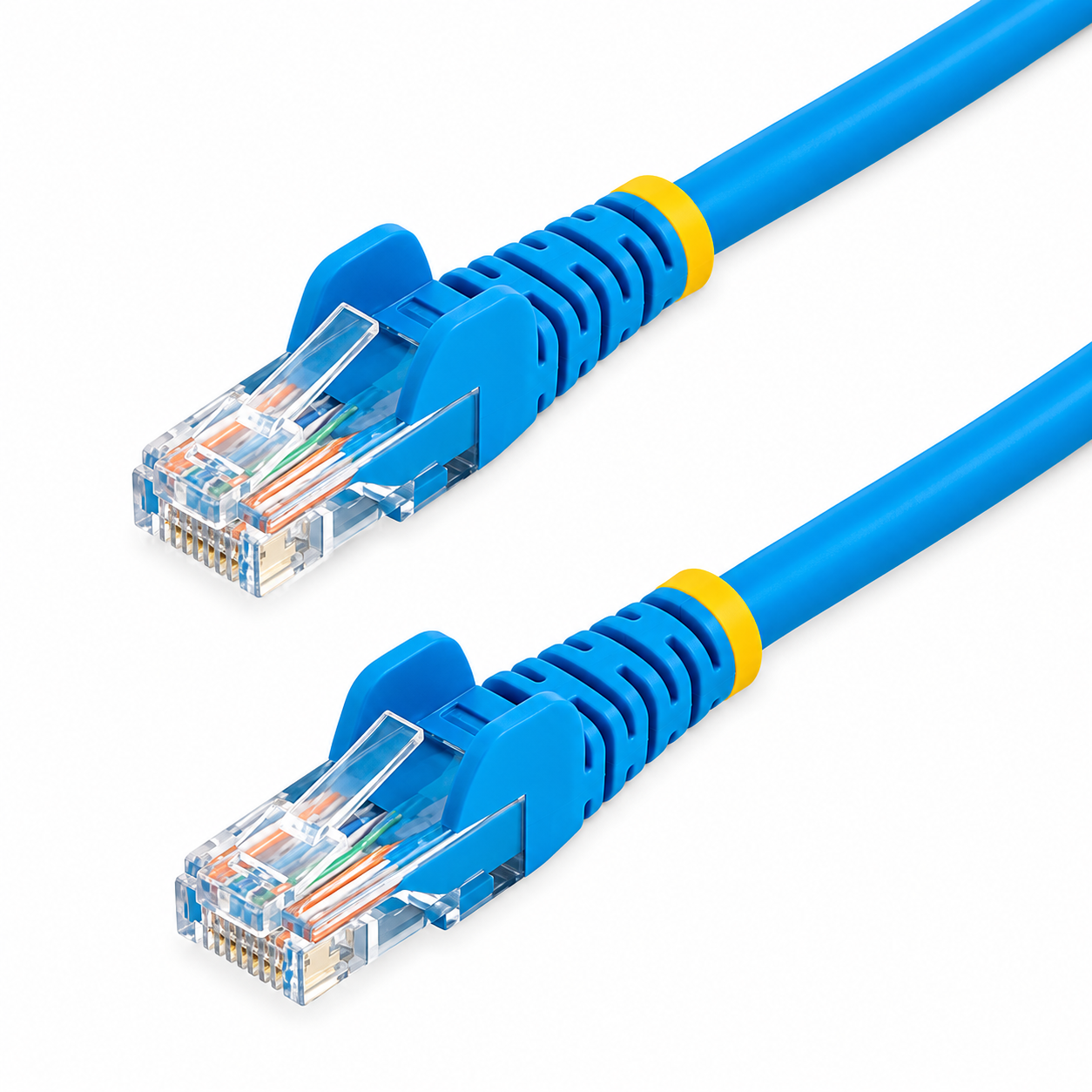
Custom Cat6 Ethernet Cable Manufacturer
Project-based Cat6 Ethernet cable manufacturing support for global brands, engineering teams, distributors, system integrators and long-term supply programs.
- Specification-led development from existing samples, drawings, BOM files, connector information or a structured requirement list.
- Support for custom length, cable construction, shielding, jacket, connector finishing, labeling, packaging and multi-SKU program requirements.
- Sample review, approved-sample control, mass-production preparation, project-based testing, packaging inspection and shipment coordination under one manufacturing workflow.
- Shenzhen manufacturing base with 18 years of industry experience, 20,000+ square meters of factory space, a 1,500+ person team and 3 manufacturing bases.
A Manufacturing Partner Built Around Custom Cat6 Projects
A serious Cat6 sourcing program needs more than a standard cable catalog. Cablivo connects product definition, engineering review, sampling, manufacturing, inspection and packaging so each approved specification can move into a controlled production path.
Manufacturing Identity
Cablivo is the overseas-facing brand of Shenzhen Tianxiaowei Electronics Co., Ltd., a Shenzhen-based custom cable, wire harness and cable assembly manufacturer. Network and Ethernet cable manufacturing sits within the company product scope. Cat6 projects are handled as specification-led programs rather than anonymous stock-cable transactions, allowing project teams to discuss construction, termination, length, labeling, packaging and testing requirements before sampling or production.
Engineering Review
Early review can begin from a drawing, BOM, existing cable, connector photo, length list or application description. Engineering communication focuses on confirming the cable definition before a sample is treated as a production reference. Missing details can be identified during review instead of being silently assumed, reducing avoidable revisions caused by unclear connector information, unspecified cable construction, incomplete labels or inconsistent project files.
Sample Development
A sample is used to verify the agreed product direction before mass production. Sample planning can cover connector fit, cable length, construction, appearance, labeling, packaging and project-specific test requirements. Feedback can be reviewed and a revised sample can be discussed when needed. Final approval creates a clearer reference for later production preparation and helps separate verified requirements from assumptions made during early sourcing discussions.
Production Support
After sample approval, production preparation can move through final specification review, material preparation, cable processing, connector assembly, overmolding where required, inspection, labeling and packaging. Cablivo supports project-based orders through a manufacturing organization that includes extrusion, assembly, injection molding, quality, procurement, warehousing and shipment coordination. Production timing is confirmed only after project files, material requirements and order details are sufficiently clear.
Quality Control
Quality control is organized across incoming inspection, in-process inspection, finished-product review, reliability testing resources and outgoing inspection. Inspection items depend on the actual Cat6 product specification and application. Relevant checks can include continuity, connector fit, cable length, shielding structure, appearance, label accuracy and packaging verification. Transmission-related requirements should be defined against the selected product specification instead of being replaced by a generic performance promise.
Packaging Delivery
Brand programs often need more than a finished cable. Cablivo can coordinate packaging and labeling requirements such as product labels, barcode or SKU information, carton marks and export packing based on files provided or approved for the project. Shipment coordination can include packing information and communication with a designated forwarder. Customs clearance, destination-market approval and fixed transit times remain outside a manufacturing guarantee and should be confirmed separately.
Who Cablivo Supports for Custom Cat6 Cable Programs
Different Cat6 programs create different sourcing risks. Product teams may focus on connector fit, distributors may manage dozens of SKUs, while industrial projects may prioritize installation, shielding and repeat-order control. Cablivo structures discussions around the actual program.
Network Equipment Brands
Routers, switches, gateways and related network hardware often require cable specifications that remain consistent across product launches and repeat orders. Cablivo can review cable length, connector configuration, jacket, color, labels, packaging and project-specific testing requirements before sampling. Approved samples and final files can then serve as production references, helping product and sourcing teams avoid uncontrolled changes between an early prototype and later volume purchasing.
Telecom Equipment Teams
Telecom equipment programs frequently combine network connectivity with strict assembly, labeling and documentation requirements. Cablivo can review Ethernet cable requirements together with connector information, cable routing, shielding discussion, length, application notes and packaging instructions. Where transmission or market-specific requirements apply, the required test method and documentation scope should be defined against the actual product specification before a commitment is made.
System Integrators
System integrators often purchase multiple cable lengths, colors or labels for installation projects. A clear SKU list becomes as important as the cable itself. Cablivo can review length breakdowns, product identification, label content, packing method and carton information so installation teams can receive cables in an organized format. Project-specific connector, shielding and testing requirements can be discussed before sample approval and purchasing.
Industrial Equipment Makers
Industrial equipment manufacturers may need Cat6 cable assemblies for machine connectivity, control architecture or networked equipment. Cablivo can discuss cable construction, shielding, jacket, connector protection, strain relief, labeling and installation-related packaging according to the actual environment. High-flex, temperature, chemical or other special performance claims should be treated as defined project requirements and verified through the selected material, structure and test plan rather than assumed from the word industrial.
Security IoT Programs
Security cameras, access systems, connected devices and IoT hardware can require custom Ethernet lengths, compact routing, clear labels or equipment-specific connector finishing. Cablivo can start from interface photos, an existing cable, device information or a drawing and identify missing details before sampling. Product definition, fit, length, appearance, packaging and applicable test requirements can then be reviewed around the intended installation instead of a generic patch-cable specification.
Distributors Importers
Distributors and importers frequently manage several lengths, colors, packaging formats and reorder codes at the same time. Cablivo can support SKU planning, product labels, barcode files, carton marks and packing instructions alongside cable manufacturing. The goal is a repeatable supply program where each item is distinguishable in production, packing, warehousing and reorder communication. Destination-market compliance and labeling content should be supplied or confirmed by the importing organization.
Engineering Procurement Teams
Engineering and procurement teams usually evaluate different parts of the same project. Engineering needs specification clarity; procurement needs MOQ, quotation inputs, sample planning, production timing and packaging control. Cablivo can connect both workstreams through drawing and BOM review, sample approval, production preparation, quality checkpoints and RFQ information. A shared specification reduces the risk of technical decisions and commercial files moving in different directions.
Long-Term Supply Programs
Repeat-order programs need version control, approved references and clear packaging files, not only a competitive first quotation. Cablivo can support long-term cable programs through final specification records, sample references, production preparation, quality inspection, SKU and packaging confirmation and shipment coordination. Order schedules, material availability and lead times are reviewed per project, allowing later purchasing discussions to remain tied to the approved product rather than an outdated quotation description.
What Matters When Selecting a Cat6 Manufacturing Partner
A strong supplier shortlist is built from evidence, not slogans. Eight checkpoints help brand, engineering and procurement teams distinguish a project-capable manufacturer from a source that can only quote a standard patch cable.
Product Scope
Confirm whether the factory can support the intended Cat6 form: finished Ethernet cable assembly, custom length, shielded or unshielded construction, molded connector finishing, private-label presentation or a multi-SKU program. A broad company catalog alone is not enough. The relevant construction, termination and testing path should be discussed against the actual item being sourced, especially when several network cable variants share similar external appearance.
Specification Review
Reliable sourcing begins with a clear product definition. Look for a manufacturer willing to review drawings, BOM information, existing samples, connector details, cable length, application notes, labeling and test requirements before finalizing a sample. A supplier that quotes only from a photo may miss details that later affect fit, construction, packaging or repeat orders. Cablivo uses requirement review to identify points needing confirmation before manufacturing decisions are locked.
Sample Control
A sample should become a controlled reference rather than a one-off piece. Evaluate how feedback is recorded, how revised requirements are confirmed and what documents are finalized before volume production. Cablivo can review sample feedback, discuss revision direction and use an approved sample together with final specifications for production preparation. No claim is made that every first sample will be perfect or that revision timing is identical for every project.
Production Files
Large programs need final files that link commercial purchasing with factory execution. Important records may include the approved product specification, BOM, length list, SKU list, labels, packaging artwork and testing requirements. Cablivo can work from confirmed project files when preparing production. Version control becomes especially important when a brand runs several cable lengths or market-specific packaging versions under one program.
Testing Clarity
A credible Cat6 manufacturer should distinguish general cable inspection from category-specific transmission verification. Cablivo can discuss continuity, connector fit, length, shielding structure, appearance, labeling and packaging checks, while transmission-related criteria should be defined according to the actual Cat6 specification and required method. Avoid selecting a supplier only because a website lists impressive numbers without linking them to a real product, test plan or report scope.
SKU Control
Length, color, connector finish, label and packaging changes can turn one cable family into many SKUs. Evaluate whether the supplier can keep item identity clear through production, labeling, packing and reorder communication. Cablivo can review SKU lists, label files, barcode information and carton marks as part of a cable program. Clear item separation reduces warehouse confusion and makes repeat purchasing easier to control.
Factory Evidence
Photos and claims should connect to real manufacturing steps. Useful evidence includes cable processing, extrusion, shielding-related operations, connector assembly, overmolding, testing, labeling, packing and outgoing inspection. Cablivo has 18 years of industry experience, 20,000+ square meters of factory space, a 1,500+ person team and 3 manufacturing bases. These facts matter because they support engineering, production, quality, procurement, warehousing and export coordination under one organization.
Long-Term Support
A lower first-unit quotation does not automatically create the best supply relationship. Evaluate how the factory handles approved samples, production changes, packaging versions, quality feedback and repeat orders. Cablivo is positioned for project-based manufacturing and long-term supply programs rather than personal one-piece purchases. MOQ, production schedules, testing and packaging are reviewed against the program so later orders remain connected to the confirmed product definition.
Custom Cat6 Ethernet Cable Product and Program Options
Cat6 requirements can range from a straightforward RJ45 assembly to an industrial or private-label program. The final construction, category verification method and material specification should always match the approved product and intended application.

RJ45 Patch Cables
Custom Cat6 RJ45 patch cable projects can be discussed around connector configuration, cable length, construction, jacket, color, boot style, labels and packaging. Brand or distributor programs may also require several lengths under one product family. The cable category and transmission test criteria should be tied to the actual specification selected for the project, avoiding a generic claim that every visual variation automatically carries identical performance.

Custom-Length Cat6
Length can be managed by a project list rather than one standard SKU. Cablivo can review required lengths, quantity per length, labeling and packing method before sampling or quotation. Length tolerance, coil or packing format and carton organization should be defined where they affect installation or warehouse handling. Multi-length programs benefit from a clear SKU table so production, labels, packaging and reorder communication remain aligned.

Shielded Cat6 Projects
Shielded Cat6 cable projects can be discussed when the application calls for a defined shielding structure. Cablivo has cable manufacturing resources related to shielding and foil wrapping, supporting structure discussions beyond simple final assembly. The required shielding design, termination approach and transmission-related verification should be confirmed from the application and specification. Shielding should not be added by default when the project does not require it.

Unshielded Cat6 Projects
Unshielded Cat6 configurations may suit projects where the approved specification does not call for an added shielding system. Product discussions can focus on cable construction, connector termination, length, jacket, color, labels, packaging and required verification. Cablivo does not treat shielded and unshielded products as interchangeable. The selected construction should be defined before sampling so quotation, material preparation and later production all follow the same reference.

Industrial Cat6 Assemblies
Industrial Ethernet projects may require more attention to routing, jacket selection, connector protection, strain relief, labels or installation packaging. Cablivo can review those requirements together with equipment information and project-specific tests. Terms such as high-flex, oil-resistant, high-temperature or harsh-environment performance should only be used when the corresponding material, structure and validation requirements are defined and supported for the actual cable.

Molded Connector Assemblies
Where connector protection or strain relief needs a molded structure, Cablivo can discuss overmolding feasibility, tooling requirements, appearance, cable exit direction and sample validation. The company has injection molding and tooling-related manufacturing resources for custom cable programs. Molded Cat6 assemblies still require the underlying cable specification, connector construction and transmission requirements to be confirmed rather than assuming the molded exterior defines electrical performance.

Private Label Programs
Brand programs can combine Cat6 cable manufacturing with approved labels, barcode or SKU files, packaging artwork and carton marks. Cablivo can coordinate the manufacturing and packing workflow around supplied or confirmed brand files. Logo use, regulatory text, warnings and destination-market information should come from the brand or be formally confirmed before production. The goal is a repeatable private-label program, not an improvised packaging change at the end of manufacturing.

Multi-SKU Cat6 Programs
A single Cat6 family may contain different lengths, colors, labels or packaging versions. Cablivo can review a SKU list and connect each version to quantity, product identification and packing requirements. Multi-SKU control helps reduce mixing risks during production, labeling, packing and later reorders. Where product construction also changes between SKUs, the technical differences should be clearly separated so one approved sample is not incorrectly treated as a reference for every version.
Nine Cat6 Cable Details We Can Customize Together
“Custom” should translate into a clear specification. Each item below affects quotation, sampling, production or packing, so the selected options should be confirmed together instead of being treated as isolated cosmetic choices.
Connector Termination
Connector and termination details define how the finished cable mates with equipment and how the assembly is built. For RJ45 projects, confirm the connector configuration, orientation where relevant, boot or protective structure, and any molding requirement. If a special termination or device-side connector is involved, provide the connector model, datasheet, photos or an existing sample. Accurate termination information prevents a visually similar connector from being treated as an acceptable substitute.
Cable Length
Length affects installation, SKU structure, packaging and quotation. Provide a length list instead of a single vague range when several versions are required. Quantity per length is equally important because five lengths often behave like five SKUs in production and packing. Where tolerance matters, define it before sampling. Cablivo can review length, quantity and packing together so the selected cable is not technically correct but operationally inconvenient for the final installation.
Wire Gauge
Wire gauge should be selected from the actual cable specification and construction requirements rather than used as a marketing label. The required gauge can affect overall diameter, flexibility, connector fit, construction and material planning. Provide an existing specification, sample, drawing or target construction when available. Cablivo can discuss wire gauge during engineering review, but no universal gauge is presented as correct for every Cat6 project or application.
Cable Construction
Internal construction can include conductor arrangement, pair structure, insulation, separator or other structural elements depending on the selected cable design. The chosen construction should match the intended Cat6 specification and validation plan. If an existing approved cable must be reproduced, provide a sample, drawing or detailed requirement. Construction decisions should be frozen before volume production so later material substitutions are not made without technical review.
Shielding Structure
Shielding can influence cable construction, termination and application suitability. Cablivo can discuss foil, braid or other shielding-related structures where relevant to the product. The design should be based on actual equipment, installation and required verification, not a blanket assumption that more shielding always creates a better cable. When shielding is required, share the target structure, connector termination expectations and test requirements before sample development.
Jacket Material
Jacket selection affects handling, appearance, manufacturing, packaging and application suitability. Cablivo can discuss material direction according to flexibility, durability, cost, target market and testing requirements. Available material or compliance claims must be tied to the actual material and supplier documentation selected for the project. If an existing cable feel or appearance is important, an old sample or clear photos can help define the target before sampling.
Cable Color
Color can separate SKUs, match equipment, support brand identity or help installers distinguish network routes. Provide a color reference, sample or agreed visual target when consistency is important. Color choice also connects to labels and packaging, especially when several variants share similar dimensions. Cablivo can coordinate color within the approved product specification, while exact color matching should be confirmed through the sample rather than assumed from a screen image alone.
Boot Strain Relief
Boot and strain-relief requirements influence connector protection, cable exit shape, handling and appearance. Standard or custom molded approaches can be discussed depending on the project. Where a custom overmold is required, tooling, shape, material and sample appearance should be reviewed before production. The exterior protection should support the intended assembly without being presented as proof of unverified transmission, environmental or mechanical performance.
Labels Packaging
Labels and packaging determine how a cable is identified, stored, sold and reordered. Cablivo can review product labels, SKU labels, barcode files, packing method, carton marks and brand artwork supplied or approved for the project. Regulatory wording, warnings, platform labels and destination-market content should be provided or confirmed by the responsible brand or importer. Packaging should be defined early enough to be included in quotation, sampling and final production preparation.
Where Custom Cat6 Ethernet Cables Fit Best
Application context helps define the right cable instead of forcing every project into one stock specification. Equipment, installation method, labeling, routing, packaging and required validation should be reviewed together before a production reference is approved.

Routers Switches
Network hardware programs may require consistent Cat6 assemblies for routers, switches, gateways or related equipment. Cable length, connector finishing, jacket, color and packaging can be aligned with the hardware program, while required transmission criteria should be specified against the selected cable construction. For bundled accessories or device kits, packaging and labeling can also be reviewed so the cable arrives identified and ready for the intended packing workflow.

Enterprise Networks
Enterprise network deployments can involve several lengths, rack or room identification and repeat purchasing across locations. A structured length and SKU list helps avoid confusion between visually similar cables. Cablivo can review Cat6 cable specifications together with color, labels, packing and carton information. Installation standards, fire ratings or market-specific requirements should be supplied as project requirements and confirmed against the actual material and product documentation rather than assumed.

Telecom Equipment
Telecom equipment can require Ethernet cable assemblies that fit within a broader equipment BOM and documentation system. Connector definition, cable routing, length, shielding, labels and packaging may all affect project acceptance. Cablivo can support engineering and sample review from existing drawings, equipment information or reference cables. Transmission-related testing, material compliance and any special documentation should be agreed before sampling or mass production.

Security Systems
Cameras, access-control systems and other security equipment may need custom lengths, clear equipment labels or installation-friendly packing. Cable routing and connector protection can matter as much as appearance. Cablivo can review the application together with cable construction, length, termination, jacket and packaging. Outdoor, flame, temperature or other special performance requirements should be defined explicitly and verified through the appropriate product and test plan.

Industrial Networks
Industrial network installations can introduce movement, equipment routing, contamination, temperature or mechanical constraints that are not present in a basic office patch cable. Cablivo can discuss construction, shielding, jacket, connector protection, strain relief and labels based on the actual installation. Claims such as high-flex or harsh-environment capability should only be attached to a cable when the selected materials, design and validation requirements support them.

Automation Equipment
Automation equipment often combines network connectivity with machine identification and controlled routing. Length, connector orientation, protective finishing, labels and packing can influence installation efficiency. Cablivo can review equipment photos, drawings, connector information and application notes before sampling. A defined sample gives the engineering team a physical reference for fit, cable handling and appearance before the project moves into production planning.

Data Systems
Data systems may require repeatable cable specifications across racks, cabinets, devices or deployment batches. Cablivo can support a defined Cat6 program with length lists, labels, packaging and production files, while transmission-related requirements remain linked to the selected specification and required verification method. For several deployment versions, SKU-level identification should be established early so production and packing do not rely on informal descriptions.

IoT Devices
Connected-device projects may begin without a complete cable drawing. Interface photos, an existing sample, device information, target length and quantity can provide enough context for an initial review. Cablivo can identify missing information before a sample is produced and discuss connector finishing, cable routing, jacket, labels and packaging. Device-specific EMC, environmental or transmission requirements need to be stated separately rather than inferred from a generic IoT application label.

System Integration
System integration projects often combine procurement, installation and service requirements. A cable may need a specific length, label format, packing sequence or carton identification to fit the installation plan. Cablivo can review Cat6 cable requirements alongside SKU lists and packing instructions. Clear project files help installers receive the right item while giving procurement a repeatable reference for later orders and replacements.
Engineering Review Before a Cat6 Cable Enters Sampling
Good samples begin with clear inputs. Engineering review organizes existing information, identifies missing details and turns a sourcing idea into a specification that can be quoted, sampled, checked and prepared for production.
Start With the Information Already Available
A complete drawing is useful, but it is not the only way to begin. A project team can start with an existing cable, clear product photos, connector photos, a BOM, device information, a length list, packaging references or an application description. Cablivo can review the available information and identify which details still need to be confirmed before a sample is treated as representative. Early review is especially useful when replacing a previous supplier, recreating an established cable, adding new lengths to an existing line or developing a cable for new equipment. The initial goal is not to force every inquiry into a complex engineering form. The goal is to prevent important assumptions from passing unnoticed into quotation or sampling. Useful starting inputs include connector model or datasheet, target cable length, intended application, target quantity, existing sample photos, required label information, packaging direction and any known test requirement. If multiple SKUs are planned, a simple table showing length, color, quantity and packaging version gives the manufacturing team a clearer starting point than a general request for “custom Cat6 cables.”
Confirm the Product Definition Before Building
Engineering review should establish which attributes define the approved cable. For a Cat6 Ethernet cable program, the definition can include termination, overall construction, shielding direction, jacket, wire gauge, cable length, color, boot or strain relief, labels, packaging and project-specific validation requirements. Where a reference sample exists, visual similarity alone is not enough; the underlying specification and required performance still need to be clarified. Cablivo can discuss material and construction direction, connector confirmation, sample review and production preparation, while category-related transmission criteria should be connected to the actual product specification and agreed test method. Brand, importer or engineering teams should also identify any market-specific documentation, packaging wording or compliance requirement before sampling when those items affect material or product selection. The result of the review should be a clearer list of confirmed items and open questions. Open questions are not a weakness. They are a control point that prevents a factory from quietly making assumptions with cost, quality or schedule consequences later in the project.
Close Gaps Before Sample Approval
Sampling creates the physical reference used to verify whether the reviewed specification works in the intended project. Before approval, the sample can be checked for connector fit, cable length, construction, appearance, labeling, packing and any agreed functional or transmission-related requirement. Feedback should be specific enough to support a controlled revision. For example, “make it better” is difficult to execute, while “change cable length, revise label position and use the approved packaging file” creates a measurable action. Cablivo can review feedback and discuss revision direction according to confirmed requirements. Once the sample and supporting files are approved, the final reference can be used for production preparation. The process avoids two common sourcing problems: a sample that looks correct but lacks a stable specification, and a volume order that is built from an old quotation description after later sample changes were never incorporated into production files. Engineering review therefore connects quotation, sample approval and mass production instead of treating each stage as a separate conversation.
Cat6 Cable Construction Decisions That Affect the Project
Cable construction influences fit, manufacturing, handling and verification. The strongest specification is not the longest list of materials; it is the structure that matches the application and can be reproduced from sample approval through repeat production.
Conductors Pairing and Insulation
The internal cable design should be treated as an engineering choice tied to the approved Cat6 specification, not a decorative cross-section added to a product listing. Conductor direction, wire gauge, pair construction, insulation and other internal elements can affect overall diameter, flexibility, connector termination, material planning and the verification method required for the final assembly. Cablivo has manufacturing resources related to cable processing, extrusion and assembly, allowing structure discussions to happen within a broader manufacturing workflow. When an existing cable is being reproduced, an old sample or detailed specification can help define the target. When a new cable is being developed, the application, routing space, connector, handling expectations and required transmission criteria should guide the structure. Material names alone should not be treated as proof of performance. Copper type, insulation material and any compliance requirement need to be connected to the actual material selected for the project and supported by the relevant supplier or test documentation where required. The approved sample provides a physical reference, while the final specification provides the repeatable manufacturing definition.
Shielding Jacket and Application Fit
Shielding is an important decision for some network projects, but it should not be presented as automatically necessary for every Cat6 cable. Foil, braid or combined shielding-related approaches may be discussed according to the product structure, connector termination and installation environment. Cablivo has shielding-related manufacturing resources, including braiding and foil wrapping capability, supporting a more informed discussion than simply selecting “shielded” from a catalog. Jacket direction should also reflect the application. Flexibility, handling, appearance, cost, target market and required testing can influence material selection. Special claims such as specific flame ratings, outdoor performance, oil resistance or high-temperature capability must be tied to an actual material and verified requirement. When shielding and jacket decisions are finalized early, quotation, sample preparation and later material purchasing can follow the same specification. When they are left vague, a sample may look acceptable while the underlying construction changes during cost or sourcing discussions.
Termination Strain Relief and Identification
The cable ends are where internal construction meets equipment, installation and handling. Connector type, termination method, boot or strain-relief geometry, overmolding, cable exit direction and label placement can all affect the finished assembly. Cablivo can review connector information and discuss molded or overmolded finishing when the project requires additional protection or a defined exterior shape. Tooling requirements, appearance and sample confirmation should be considered before volume production when a custom molded feature is involved. Labels also belong in the product definition rather than being added at the last minute. A clear product label, SKU code or application identifier can reduce confusion during installation, warehouse handling and repeat purchasing. For branded programs, the responsible organization should provide or approve logo, barcode, regulatory and packaging content. Keeping termination, protection and identification within the same approved specification helps prevent a cable from being electrically correct but operationally wrong for the equipment, channel or installation process.
From Project Requirements to an Approved Cat6 Sample
Sampling turns project files into a physical reference. The process should verify defined requirements, capture feedback and establish a controlled basis for mass production rather than create a one-off cable that cannot be reproduced reliably.
Define What the Sample Must Prove
Before sample work starts, define what the sample needs to demonstrate. A Cat6 cable sample may need to confirm connector fit, cable length, construction, shielding direction, jacket, color, boot or molded finishing, label position, packaging and specific inspection or transmission-related requirements. A sample does not automatically validate requirements that were never stated. If a brand expects a particular packaging presentation, if an engineering team needs a defined connector orientation, or if a network program requires a named transmission test method, those expectations should be included in the review before approval. Cablivo can start from drawings, BOM information, existing cables, photos or a structured requirement list and help identify open points. A clear sample target also improves quotation quality because materials, tooling, labels and packaging can be considered before the project reaches production. The purpose is to create one shared reference for engineering, procurement and manufacturing instead of allowing each group to work from a different description of the cable.
Build Review and Record Feedback
Sample development is followed by review, not by an automatic assumption that the first piece becomes final. The sample can be checked against the agreed specification and used to identify details requiring adjustment. Feedback may involve cable length, handling, connector fit, boot shape, color, label position, packaging or another project-defined item. Cablivo can review sample feedback and discuss a revision direction when required. Changes should be documented so the revised sample and final files stay aligned. Sample timing is project-specific rather than a fixed universal number. It depends on factors such as specification completeness, connector availability, material preparation, tooling requirements and the agreed testing scope. Complex molded or special-material projects may require more preparation than a straightforward assembly. Providing complete information early helps the manufacturing team estimate the path more accurately, but no responsible schedule should be promised before the relevant inputs are reviewed.
Approve a Reference for Mass Production
Sample approval is most valuable when it closes the gap between development and production. The approved physical sample should correspond to the final specification, BOM or material definition, label files, packaging instructions and any testing requirements that will guide the volume order. If the sample changed after the first quotation, the production files should reflect those changes before material preparation begins. Cablivo can use the approved direction as part of production preparation, allowing manufacturing, quality and packaging teams to work from a common reference. Approval does not mean future change is impossible. It means later changes should be reviewed as changes rather than introduced informally during production. For repeat-order programs, the same discipline helps prevent gradual specification drift when team members, purchasing cycles or packaging versions change. A controlled approved sample therefore supports both immediate mass production and longer-term supply consistency.
Turning an Approved Sample Into Stable Mass Production
Volume production begins after the product definition is controlled. Approved samples, final files, material preparation, process execution, inspection and packaging need to point to the same version before an order can move smoothly through the factory.
Freeze the Production References
The production team needs a clear reference set before materials and processes are released. Depending on the project, that set can include the approved sample, final product specification, BOM or material definition, connector details, length list, SKU list, labels, packaging artwork and testing requirements. The purpose is to prevent manufacturing from using an early quotation description after later sample changes have already been approved. Cablivo can support final-file review and production preparation as part of a project-based workflow. For multi-SKU Cat6 programs, each version should be identified clearly enough for production and packing teams to distinguish it without relying on memory. If only the length changes, the SKU table should show the quantity and packing requirement for each length. If construction, shielding, connector or packaging also changes, those differences should be treated as part of the product definition. A stable reference set reduces the risk of mixed versions, outdated labels and sample-to-production inconsistency.
Prepare Materials and Manufacturing Processes
Once the production references are confirmed, material preparation and scheduling can proceed against the approved order details. Cablivo manufacturing capabilities include cable processing, extrusion-related operations, cutting, stripping, connector assembly, crimping, soldering, overmolding where required, heat-shrink processing, assembly, labeling and packaging. Not every Cat6 cable uses every process, so the manufacturing route should follow the approved product rather than a generic factory flowchart. Material substitutions, connector changes or packaging changes should be reviewed if they affect the confirmed specification. The same principle applies to molded features: tooling, material, shape and sample appearance should be approved before the production run is treated as stable. Production planning also depends on material availability, connector sourcing, order quantity, testing and packaging requirements. A realistic schedule can only be confirmed after those variables are known and the sample direction is approved.
Inspect Pack and Prepare for Shipment
Production is not complete when the cable leaves the assembly operation. Relevant in-process checks, finished-product inspection, project-based testing, label verification, packaging checks and outgoing inspection should be completed against the approved requirements. Cablivo quality resources include incoming inspection, in-process inspection, outgoing inspection and reliability-testing support. For Cat6 projects, inspection can include continuity, connector fit, cable length, shielding structure, appearance, labeling and packaging, while transmission-related requirements must follow the selected cable specification and agreed method. Packaging should match the approved SKU and carton information. Shipment coordination can include packing information and communication with a designated forwarder, but destination customs clearance and transport guarantees are not manufacturing promises. Closing the production loop with packing and outgoing inspection gives procurement and warehouse teams a clearer handover from factory completion to shipment preparation.
Cat6 Performance and Inspection Requirements to Confirm
Cat6 quality discussions should separate confirmed product specifications from generic marketing claims. The table below shows useful review points and the information needed to define inspection or validation for the actual cable program.
Review Area
What to Confirm
Cablivo Support Direction
Project Input Needed
Cat6 product definition
Selected cable category, construction and finished assembly configuration.
Review the actual cable specification before sampling and production.
Drawing, existing sample, cable specification or requirement list.
Continuity
Correct electrical path and absence of basic open or short conditions where applicable.
Cable comprehensive testing resources can support functional and electrical checks.
Connector definition, wiring information and agreed inspection requirement.
Connector fit
Mechanical mating, connector type and finished termination.
Connector confirmation, sample fit review and appearance inspection can be discussed.
Connector model, datasheet, mating device or reference sample.
Cable length
Nominal length, tolerance, length list and quantity per version.
Length can be checked against the approved SKU or order specification.
Length list, tolerance requirement, quantity per length.
Shielding structure
Whether shielding is required and how the selected structure is defined.
Shielding-related manufacturing and structure review can be discussed by project.
Application, cable construction target, connector termination and test requirement.
Transmission requirements
Applicable Cat6 transmission criteria and required verification method.
Transmission-related testing requirements can be reviewed for the selected product. No blanket test claim is made.
Target specification, required standard or method, acceptance criteria and report needs.
Appearance
Color, jacket finish, molded parts, boot, labels and visible workmanship.
Sample approval and finished-product appearance inspection can define the visual reference.
Approved sample, color reference, artwork and appearance notes.
Labels and SKU
Product label, barcode, SKU identity and placement.
Label and packaging files can be reviewed before production and checked during packing.
Label artwork, barcode files, SKU list and placement instructions.
Packaging
Packing method, product protection, carton mark and quantity organization.
Packaging inspection and outgoing review can follow approved packing files.
Packaging artwork, carton mark, packing method and quantity breakdown.
Compliance documents
Material, product or market-specific documentation required for the actual program.
Requirements can be reviewed case by case and third-party testing can be discussed where needed.
Target market, applicable requirement, product scope and requested document type.
Quality Control Across the Cat6 Manufacturing Process
Quality is easier to evaluate when inspection points follow the manufacturing flow. Cablivo combines incoming, in-process, finished-product and outgoing checks with project-based testing so approved requirements can be reviewed at the stages where errors are most likely to appear.
Incoming Material Check
Material preparation begins with the approved product definition. Incoming inspection can review relevant wire, connector, component, label or packaging materials against project requirements before they enter production. Material documentation should match the actual item selected for the program rather than a blanket website claim.
- Confirm material or component identity against approved files.
- Review visible condition and project-defined incoming criteria.
- Escalate unclear substitutions or specification differences before use.
In-Process Inspection
In-process inspection focuses on manufacturing steps while correction is still possible. Depending on the Cat6 assembly, review points can include cable processing, termination, molded finishing, length, visible workmanship or identification. The inspection plan should follow the real process route instead of forcing every product through unrelated checks.
- Link checkpoints to the approved sample and production files.
- Check process outputs before later operations hide the defect.
- Record and address deviations according to the internal quality workflow.
Functional Electrical Checks
Cablivo has cable comprehensive testing and electrical inspection resources that can support functional checks for custom cable assemblies. For Cat6 projects, continuity and related basic electrical checks may form part of the inspection plan. Transmission-specific verification remains a separate requirement tied to the selected product specification.
- Use the agreed wiring or connector definition where applicable.
- Define required functional checks before mass production.
- Confirm any category-specific transmission test method separately.
Finished Product Review
Finished cables can be reviewed against the approved reference for dimensions, connector finish, cable appearance, labeling and other visible requirements. The objective is consistency with the agreed product, not a generic promise of zero defects. Product-specific acceptance criteria should be defined where appearance or measurement has a critical limit.
- Compare key features with approved files or samples.
- Check labels, color and visible assembly details.
- Use project-defined dimensions or tolerances where required.
Packaging Verification
Packaging errors can create warehouse and reorder problems even when the cable itself is correct. Packaging verification can include SKU identification, labels, barcode files, packing method, carton marks and quantity organization according to approved instructions. Brand or regulatory text should come from the responsible organization.
- Match product SKU to the correct packaging version.
- Check label and carton information against supplied files.
- Separate multiple lengths or variants according to the packing plan.
OQC Shipment Review
Outgoing inspection closes the manufacturing quality path before shipment preparation. Cablivo has an OQC function within its quality organization. Review can cover finished product, function, appearance, labeling, packaging, quantity and carton information according to project requirements. Shipment documents and forwarder coordination can then proceed from confirmed packing information.
- Complete project-defined outgoing checks before release.
- Confirm carton and packing information for shipment coordination.
- Keep transport and customs guarantees separate from factory inspection.
Manufacturing Resources Behind Cablivo Cable Programs
Factory facts matter when they explain how a project is supported. Cablivo combines manufacturing space, production teams, cable processing, assembly, molding, testing, quality and export coordination rather than presenting scale as an isolated marketing number.

18 Years Experience
Cablivo is backed by 18 years of cable-industry experience. The value is not the anniversary itself; it is long-term familiarity with requirement review, drawing and sample discussion, material decisions, sample development, production preparation, inspection, packaging and export coordination. Experience also helps different functions speak the same project language when engineering, procurement and factory teams need to move one cable from concept or reference sample into repeat production.

20,000+ m² Factory
The manufacturing base covers 20,000+ square meters. Factory space supports a broader cable manufacturing workflow than a small assembly-only operation, including cable processing, production, quality, warehousing and packaging activities. For a Cat6 program, available space becomes meaningful when it supports material preparation, manufacturing, inspection, SKU separation and finished-goods handling without reducing the project to a simple buy-and-resell transaction.

1,500+ Person Team
A 1,500+ person organization provides the people behind engineering communication, production, quality, procurement, warehousing, export sales, order follow-up and shipment coordination. Large headcount alone does not guarantee quality, so the relevant point is cross-functional coverage. Complex or repeat cable programs require technical review, material readiness, scheduling, inspection, packing and communication to move together instead of relying on one salesperson to manage every detail.

3 Manufacturing Bases
Cablivo operates with 3 manufacturing bases. Multi-base manufacturing supports the company identity as a production organization rather than a pure trading office. For sourcing teams, factory structure should still be evaluated against the actual product program, required process and quality controls. The key question is whether the selected Cat6 project can be assigned a clear manufacturing and inspection path, not whether multiple locations are used as a promotional claim.

Cable Processing Resources
insulation, jacket and semi-finished cable preparation across relevant cable categories. Shielding-related equipment also supports braiding and foil-wrapping discussions for signal and network cable structures. The exact Cat6 construction should be confirmed before production so factory resources are matched to the approved product rather than used to imply one standard structure fits every project.

Assembly Overmolding
Assembly capabilities cover operations such as cutting, stripping, crimping, soldering, connector assembly, overmolding, heat-shrink finishing and finished cable assembly where the product requires them. Cablivo also has 80+ injection molding machines as a stable company fact. Molded connector protection or custom strain relief can therefore be discussed when relevant, while tooling, material and appearance still require project-specific review and sample approval.

Testing Resources
Quality and reliability resources include cable comprehensive testers, LCR equipment, insulation or hi-pot testing resources, swing testing, plug-life testing, tensile testing, salt-spray equipment, temperature and humidity equipment, flame-related testing resources and precision measurement tools. Not every Cat6 product uses every test. The test plan should be selected from the actual product, application, specification and agreed acceptance requirement.

Quality Export Support
Cablivo quality functions cover incoming inspection, in-process inspection, outgoing inspection and reliability-testing support, while procurement, warehousing, order follow-up and shipment coordination support the commercial side of production. For overseas programs, the combination helps connect approved product files with materials, manufacturing, packing and export preparation. Customs clearance, regulatory approval and transport timing remain subject to the responsible external parties and destination requirements.
Project Management for Global Brands and Repeat Orders
Large cable programs create risk when product, engineering, packaging and purchasing files move independently. Cablivo can organize approved references and production information so repeat orders remain tied to the same defined Cat6 program instead of informal memory.
Engineering File Control
Engineering inputs should be converted into a controlled product definition before mass production. Drawings, BOM information, connector data, length lists, material requirements and testing instructions can all influence the approved cable. Cablivo can review available information and identify points needing confirmation before a sample or order moves forward.
- Keep technical changes connected to the latest approved version.
- Separate open questions from confirmed production requirements.
- Use sample feedback to update the reference files before volume production.
Approved Sample Reference
A physical approved sample gives engineering, procurement and manufacturing a common reference for appearance, fit and other verified details. It is strongest when paired with final written files rather than treated as the only specification. Cablivo can use sample approval as part of production preparation and repeat-order discussions.
- Record agreed changes before the sample becomes final.
- Link the approved sample with the corresponding specification and labels.
- Review later changes as controlled revisions instead of silent substitutions.
Production File Control
Production needs final references for the actual order, not an early quotation. Relevant files can include specification, BOM, length breakdown, SKU list, labels, packing artwork and inspection requirements. Cablivo can align production preparation with confirmed order information after sample approval.
- Provide manufacturing teams with the approved product version.
- Confirm material and process requirements before release.
- Keep quotation, sample and production changes synchronized.
SKU Version Management
Brands and distributors often run several lengths, colors or packaging versions within one Cat6 family. Each SKU needs enough information to stay identifiable during manufacturing, labeling, packing and reorder communication. Cablivo can review SKU lists and quantity breakdowns before production.
- Define each SKU by measurable differences such as length or packaging.
- Match product labels and carton information to the correct version.
- Avoid using one generic description for variants with different technical requirements.
Packaging File Control
Packaging artwork, labels, barcode information and carton marks can change independently of the cable. Keeping those files under control reduces the risk of a technically correct product being packed under the wrong SKU or outdated brand presentation. Cablivo can review approved packing instructions as part of production preparation.
- Supply final artwork and code files before packing begins.
- Confirm product-to-package mapping for multi-SKU orders.
- Treat regulatory or destination wording as brand/importer-approved content.
Repeat Order Coordination
Long-term supply depends on the ability to reproduce the approved product while managing legitimate updates. Cablivo can support repeat-order communication through previous sample references, production files, packaging versions and quality feedback. Material availability, schedule and any requested change should still be reviewed for each order.
- Reference the approved product and SKU in repeat inquiries.
- Flag requested changes before materials are prepared.
- Use updated order and packaging files rather than relying on historical email descriptions.
Packaging and SKU Control for Cat6 Programs
Cable manufacturing and packaging should be planned together when a program includes multiple lengths, brand labels or channel-specific packing. Clear files reduce mixing risk and help warehouses identify the correct item after the shipment leaves the factory.

Bulk Packing
Bulk packing can suit equipment, installation or internal supply programs where retail presentation is unnecessary. The packing method should still define cable protection, quantity grouping, SKU separation and carton identification. Cablivo can review the required packing arrangement together with product length and quantity. If connectors need additional protection during transport, the protective method can be discussed before final packing instructions are approved.

Protective Poly Packing
Poly bag or similar protective packing can be discussed for individually separated cable units when appropriate to the project. Bag size, sealing approach, product label and quantity organization should match the cable dimensions and channel requirements. Packaging material and regulatory statements should be confirmed against the actual market need. The goal is controlled identification and protection, not a generic claim that one bag format fits every product.

Retail Packaging
Retail packaging may include a box, insert or other approved presentation when the cable is sold as a branded accessory. Cablivo can coordinate cable production with supplied packaging artwork and SKU information. Packaging structure, print content, barcode, warnings and destination-market wording should be provided or approved by the responsible brand. Packaging samples may be useful when dimensions, visual presentation or assembly method need confirmation before mass production.

Product Labels
Product labels can identify SKU, length, application or internal tracking information. Label content, size, location and material should be defined before production when they affect assembly or packing. Cablivo can review label files and placement instructions as part of the project. Clear identification is especially helpful when several cables have the same exterior color but different lengths, construction or destination packaging.

Barcode SKU Labels
Barcode and SKU labels support inventory, warehouse and reorder control, but the code itself should come from the responsible brand, distributor or importer. Cablivo can apply approved files and check that the correct label is matched with the intended product and packaging version. Multi-SKU orders benefit from a master list showing product code, length, color, quantity, barcode and packing method before labels are released.

Carton Marks
Carton marks help receiving teams identify what is inside each shipping carton. Cablivo can coordinate approved carton information such as SKU, quantity, carton number or other supplied details. Destination, regulatory or freight-specific content should be confirmed by the responsible organization. A clear carton-mark file also supports multi-SKU packing by reducing the chance that the correct cable is placed in a carton carrying an outdated or unrelated identifier.

Multi-SKU Separation
When a Cat6 program includes several lengths, colors or packaging versions, physical separation and clear identification matter through production and packing. Cablivo can review SKU tables, quantity breakdowns and packing instructions so the item structure is established before final packing. Where technical construction differs between versions, the SKU system should reflect more than a color or length code and connect each version to the correct approved specification.

Shipment Coordination
After outgoing inspection and packing, shipment coordination can include packing information, carton details and communication with a designated forwarder. Cablivo can support manufacturing-side preparation for export shipments, while freight transit, customs clearance, duties and destination approval remain outside a factory guarantee. Supplying forwarder details and required shipping marks early helps reduce last-minute document and carton changes after the order is already packed.
MOQ Quote and Lead Time Planning for Cat6
Commercial planning becomes more accurate after the cable, quantity, testing and packaging are defined. Cablivo avoids one fixed promise for every project because connector sourcing, materials, tooling, SKU count and verification scope can change the manufacturing path.
Planning Item
Current Cablivo Position
Main Factors
Information to Send
MOQ
Many custom cable projects start from 500 pcs. Final MOQ depends on the actual project.
Connector type, cable structure, material, overmolding or tooling, packaging, SKU count and quantity distribution.
Target quantity, quantity per SKU, repeat-order expectation and packaging direction.
Quotation
Quotation is prepared from confirmed or reviewable project information rather than the product name alone.
Cable construction, connector, length, wire gauge, shielding, jacket, labels, packaging, testing and quantity.
Drawing, BOM, sample photos, connector information, length list, quantity, packaging and testing requirements.
Sample Lead Time
Project-specific. Timing should be confirmed after reviewing the available technical and material information.
Specification completeness, connector availability, material preparation, tooling, sample revision and testing requirements.
Drawing or sample, connector information, application, target quantity, appearance or packaging requirements and test needs.
Mass Production Lead Time
Project-specific. Production schedule should be confirmed after final sample approval and order details are confirmed.
Material availability, connector sourcing, tooling, order quantity, testing scope, packaging plan and production scheduling.
Approved specification or sample, final order quantity, packaging files, required tests and target delivery date.
Delivery Planning
Cablivo can coordinate manufacturing-side shipment preparation and discuss timing based on the confirmed order.
Production completion, OQC, packaging, carton information, forwarder arrangement and export preparation.
Target delivery date, destination, designated forwarder information, carton-mark requirements and document needs.
Compliance / Testing Cost
Any third-party testing, special documentation or market-specific requirement should be reviewed case by case.
Actual material, product scope, target market, required standard or method and external laboratory arrangement.
Target market, required certificate/report type, test method, acceptance criteria and product specification.
Three Manufacturing Evidence Areas Worth Reviewing
Cablivo does not need an invented brand logo or anonymous “success story” to prove manufacturing capability. Real product, process, inspection and packaging evidence gives sourcing teams a more useful view of how a Cat6 program can be executed.

Cable Manufacturing Evidence
Review real images or video showing network cable products, cable processing, shielding-related work, connector assembly and molded finishing where relevant. Manufacturing evidence should connect directly to the Cat6 program being discussed rather than display unrelated factory machinery. Cablivo has cable processing, extrusion-related, assembly, shielding-related and injection-molding resources that can support different custom cable structures.
- Show actual cable and connector details at useful scale.
- Use process images relevant to the selected construction.
- Avoid unauthorized brand marks or claims tied to unverified client programs.

Inspection Testing Evidence
Quality evidence should show real inspection actions and the equipment used for relevant checks. Cablivo has incoming, in-process and outgoing quality functions plus reliability-testing resources. For Cat6 projects, useful evidence can include continuity or functional testing, connector fit review, length inspection, appearance checks, label verification and packaging inspection. Transmission-related verification should be shown only when the actual test method and product scope are confirmed.
- Pair each image with the inspection purpose, not a generic “high quality” caption.
- Separate general cable tests from Cat6-specific transmission criteria.
- Use real test records or reports only when disclosure is authorized and scope is clear.

Packaging Shipment Evidence
Packing evidence can demonstrate how a finished cable is identified and prepared after manufacturing. Useful images include product labels, approved SKU separation, protective packing, carton marks, outgoing inspection and shipment preparation. Cablivo can coordinate packing and forwarder communication from approved project files. Sensitive brand artwork should be concealed or replaced with neutral evidence unless disclosure permission exists.
- Show product-to-SKU matching and packaging organization.
- Use anonymous or neutral packaging when client files are confidential.
- Do not claim customs clearance, guaranteed transit time or platform acceptance from factory packing images.
Custom Cat6 Ethernet Cable Frequently Asked Questions
Answers below cover the questions most often needed before a Cat6 project enters quotation, sampling, production, testing or packaging review.
What Cat6 Ethernet cable projects can Cablivo support?
Cablivo supports custom Network / Ethernet cable manufacturing within its broader custom cable and cable assembly business. Cat6 projects can be reviewed for connector configuration, length, construction, shielding, jacket, labels, packaging, sample development and production. The exact Cat6 specification and required transmission verification should be confirmed for the actual product before production commitments are made.
Can Cablivo manufacture custom-length Cat6 cables?
Custom length can be discussed as part of a Cat6 program. Send the required length or a length list, quantity per version, tolerance if critical, and packaging requirement. Multi-length programs are easier to control when each version has a clear SKU or product identifier, especially when labels, colors or packing also vary.
What information is needed for a Cat6 quotation?
Useful inputs include a drawing, BOM, existing cable photos, connector information, cable length, quantity, application, shielding or jacket requirements, label or SKU files, packaging direction and testing requirements. Complete files are helpful, but an initial review can also begin from sample photos, connector photos, application information and target quantity.
Can we start without a complete drawing?
Yes. An initial review can begin from an existing cable, clear photos, connector information, target length, application and quantity. Cablivo can identify which details still need confirmation before sampling. A drawing or structured specification may still be required later when the product needs a controlled production reference.
How are Cat6 specifications confirmed before sampling?
The review can cover connector configuration, cable construction, wire gauge, shielding, jacket, length, color, boot or molded finishing, labels, packaging and required testing. Category-related transmission requirements should be tied to the selected Cat6 specification and agreed verification method rather than assumed from the product name alone.
Can shielded Cat6 constructions be discussed?
Yes, shielding-related structures can be discussed according to the application, selected cable construction and termination requirements. Cablivo has shielding-related manufacturing resources. The shielding design and any related performance requirement should be defined before sampling; shielding should not be added automatically when the approved project specification does not require it.
How long does Cat6 sample development take?
Sample timing is project-specific. It depends on specification completeness, connector availability, material preparation, tooling requirements, testing scope and any revision needed after review. Timing should be confirmed after Cablivo receives enough information to understand the actual cable and sample objective. No single lead-time promise applies to every custom Cat6 program.
What is the MOQ for custom Cat6 projects?
Many Cablivo custom cable projects start from 500 pcs. Final MOQ depends on connector type, cable structure, material, overmolding or tooling, packaging, SKU count and order quantity. Send a quantity breakdown by SKU for a more useful project review instead of requesting a generic minimum for every Cat6 configuration.
Can Cablivo support custom labels and packaging?
Yes. Product labels, SKU or barcode files, packaging artwork, packing method and carton marks can be reviewed as part of the project. Brand, regulatory and destination-market wording should be supplied or approved by the responsible organization. Packaging requirements are best defined before quotation and sample approval rather than added after production.
How are Cat6 testing and certification requirements handled?
Testing and certification requirements are reviewed according to the actual product, target market and project specification. Cablivo can discuss relevant functional, electrical, mechanical, appearance and packaging checks, while Cat6 transmission-related criteria should follow the selected specification and required method. Third-party testing can be discussed when needed. No blanket claim is made that every cable carries the same certifications.
Start Your Custom Cat6 Ethernet Cable Project
Send the information already available and let the project review begin from there. A complete drawing is useful, but an existing cable, clear connector photos, a length list, application notes or a BOM can also provide a starting point. For a more accurate quotation, include the intended Cat6 cable configuration, connector details, required lengths, quantity by SKU, shielding or jacket requirements, label and packaging files, target market, testing needs and target delivery date. Cablivo can review the submitted information, identify missing points and discuss the next step for sampling or production planning. Many custom cable projects start from 500 pcs, while final MOQ depends on the actual construction, connector, material, tooling, packaging and SKU structure. Sample and mass-production timing are confirmed after the relevant specifications, material conditions and project requirements are reviewed. Sensitive project files should only contain information your organization is authorized to share.