Custom Fiber Optic Cable Factory
Factory-supported fiber optic cable development for global brands, engineering teams, telecom equipment companies, system integrators, and long-term supply programs.
Turn application requirements, connector information, cable length, installation conditions, testing needs, and packaging files into a controlled fiber optic cable program. Cablivo combines specification review, prototype development, production planning, inspection coordination, labeling, export packaging, and shipment communication. Factory arrangements, final fiber configuration, connector selection, test methods, sample schedule, and production lead time are confirmed after project documents, component availability, and acceptance criteria have been reviewed.
- 18 Years of Cable Experience
- Factory Review and Sampling
- MOQ Starts From 500 pcs
- Production and Quality Coordination
- Packaging and Labeling Support
- Export Shipment Coordination
Factory Support Built Around Fiber Optic Cable Projects
A qualified factory must do more than display finished patch cords. Each order needs application details, technical confirmation, sample approval, controlled production files, inspection requirements, packaging instructions, and a clear route to repeat orders.
Specification Review
Cablivo reviews available specifications, sample photos, device interfaces, connector data, cable length, application notes, target quantity, and packaging requirements before quotation or sampling. Missing details are identified early so the project can move forward with fewer revisions. Final configurations remain subject to approved specifications and material availability.
Connector Confirmation
Connector information affects compatibility, assembly direction, installation, protection, labeling, and testing. Submit the connector manufacturer, model number, datasheet, interface photo, mating part, polish requirement, or an existing sample whenever available. Cablivo organizes the information for engineering discussion before sample preparation.
Cable Structure Discussion
Fiber type, outer jacket, cable protection, routing space, bend requirement, installation environment, and packaging method need to work together. Structure is reviewed according to application conditions rather than selected from a generic catalog. No fixed performance claim is made before specifications and acceptance criteria are confirmed.
Sample Development
A prototype helps verify connector fit, cable length, routing, appearance, labeling, packaging, and agreed test requirements before volume production. Sample revisions can be recorded against the latest project files, reducing the risk of producing an outdated version after technical changes.
Production Coordination
After sample approval, final specifications, component information, label files, packaging artwork, inspection requirements, and order quantity are organized for production planning. Material preparation, production scheduling, in-process checks, finished-product review, packaging, and shipment communication follow the approved project version.
Packaging and Delivery
Fiber optic products need protection against excessive bending, connector damage, crushing, mixing, and labeling errors. Cablivo can discuss individual protection, bag or box options, SKU labels, barcode files, carton marks, packing lists, and shipment coordination according to order structure and destination requirements.
Fiber Optic Cable Programs for Different Connection Needs
Fiber optic cable requirements vary by equipment, installation route, connector interface, transmission target, operating environment, and supply model. The following project directions can be reviewed against drawings, samples, datasheets, or application notes.

Telecom Equipment Connections
Fiber optic cable assemblies for communication devices, access equipment, racks, cabinets, and related system connections can be discussed from connector interface, cable length, routing, protection, identification, and installation requirements. Submit equipment photos or drawings so connector orientation and cable routing can be reviewed before sampling.

Data Center Cable Projects
Data center projects often involve defined lengths, port mapping, rack routes, connector combinations, polarity, identification, packaging, and multi-SKU quantities. Cablivo can review the project list and help organize product versions, labels, packing quantities, and shipment requirements. Specific fiber grades and optical performance criteria must be confirmed from the project specification.

Network System Connections
Enterprise and infrastructure network projects may require custom lengths, installation-friendly routing, clear labels, connector protection, and repeat-order consistency. Product details can be reviewed from equipment interfaces, route drawings, existing samples, destination use, test requirements, and packaging plans rather than relying on a standard off-the-shelf configuration.

Industrial Communication Cables
Industrial communication environments may introduce routing restrictions, mechanical protection needs, equipment vibration, cabinet installation, identification requirements, or special packaging. Cablivo discusses cable protection, connector fit, jacket requirements, bend conditions, labels, and inspection criteria according to the actual equipment and operating environment.

Test Equipment Connections
Test systems and optical equipment often need accurate length, repeatable connector orientation, clean identification, careful handling, and project-specific acceptance criteria. Submit equipment interface information, an existing sample, connector datasheets, testing instructions, and quantity so the assembly direction and verification plan can be evaluated before production.

Custom Fiber Cable Assemblies
Projects involving non-standard connector combinations, defined cable lengths, protective structures, labels, packaging, or special installation needs can begin with a drawing, sample photo, BOM, connector information, or application description. Final product scope depends on technical review, component availability, testing requirements, and approved sample results.
Teams and Supply Programs Supported by Cablivo
Different project teams evaluate a fiber optic cable factory from different angles. Engineering teams focus on technical fit, procurement teams need clear commercial terms, and brands need stable production, identification, packaging, and repeat-order control.
Telecom Equipment Companies
Telecom equipment programs need cable assemblies that match device interfaces, installation routes, connector requirements, and project acceptance criteria. Cablivo can review drawings, datasheets, existing samples, cable lengths, quantity, labels, packaging, and shipment details before confirming the next step.
Data Center Project Teams
Data center teams often manage many lengths, port mappings, rack locations, labels, and packing groups. Cablivo can help organize the SKU list, quantity breakdown, connector information, labeling requirements, packaging versions, and test instructions for quotation, sampling, and production discussion.
Network System Providers
Network system providers need products that arrive clearly identified, protected, and ready for installation. Cable length, connector combination, route, application environment, protective packaging, and repeat-order files can be reviewed to reduce confusion during installation and replenishment.
Optical Communication Companies
Optical communication companies usually provide detailed transmission, fiber, connector, and test requirements. Cablivo can support document review, sample preparation, label planning, packaging coordination, and production communication after technical requirements and acceptance criteria have been confirmed.
Industrial Equipment Manufacturers
Industrial equipment manufacturers may require defined routing, connector orientation, protective structures, identification, installation support, and stable repeat production. Existing equipment photos, interface drawings, cable route dimensions, environmental notes, and target quantities help establish a clearer sample direction.
Test Equipment Manufacturers
Test equipment manufacturers often value exact dimensions, controlled assembly direction, clear product identification, and repeatable inspection criteria. Cablivo can review the interface, cable route, connector data, sample, testing instructions, labels, and packaging before providing a project response.
System Integrators
System integrators need products that match the installation plan and arrive grouped by site, cabinet, device, length, or SKU. Product labels, project codes, carton marks, packing lists, and quantity breakdowns can be discussed together with the cable specifications.
Long-Term Supply Programs
Long-term programs require more than one successful sample. Approved specifications, sample records, component information, inspection requirements, labels, packaging files, and shipment instructions need version control so repeat orders follow the same agreed basis.
Custom Fiber Optic Cable Options Reviewed by Project
Customization begins with the intended equipment and installation environment. Each option below affects compatibility, handling, production, inspection, packaging, or total project cost and should be confirmed before sample approval.
Fiber Requirement
Confirm the fiber requirement from the equipment or network specification.Provide the applicable standard, grade, datasheet, or approved reference product.Final fiber selection depends on transmission needs, application, component availability, and testing criteria.
Connector Type
Provide connector manufacturer, model number, polish, interface drawing, or sample.Confirm single-end, dual-end, hybrid, breakout, or other assembly direction.Mating compatibility and orientation should be reviewed before sampling.
Cable Length
State total length, branch length, breakout length, and tolerance where applicable.Indicate measurement points and whether connector bodies are included.Provide a length list when several SKUs are required.
Jacket and Protection
Describe indoor, outdoor, cabinet, equipment, industrial, or other operating conditions.Indicate flexibility, abrasion, routing, bending, and protective requirements.Material and structure remain subject to application review and approved samples.
Bend and Routing
Provide available routing space, minimum route radius, installation path, and fixing points.Identify areas exposed to repeated movement, tight turns, pulling, or compression.Routing requirements influence structure, length, protection, and packaging.
Product Identification
Add model, length, port, project, serial, barcode, or SKU information where required.Confirm label material, position, size, content, and file version.Identification supports installation, warehouse control, traceability, and repeat orders.
Packaging Method
Discuss protective caps, coiling, fixing, individual bags, boxes, inserts, separators, and cartons.Match packaging with connector protection, bend control, product size, shipping method, and destination.Packaging artwork and labels should be approved before production.
Testing Requirement
Provide required test items, acceptance limits, sampling method, report format, and reference standard.Confirm whether testing applies to prototypes, every unit, or a defined sampling plan.Final testing arrangements depend on available equipment and agreed project requirements.
Applications and Environments Shape the Final Cable Design
A suitable fiber optic cable cannot be selected from connector names alone. Equipment interface, route, handling, environmental exposure, identification, maintenance, and installation method all influence the final configuration.

Equipment Rack Connections
Equipment racks may require defined lengths, port labels, organized routing, connector protection, and grouped packaging. Share rack drawings, port mapping, route distances, connector details, and quantity per configuration so a clear product list can be prepared.
- Key inputs: route, port, length, connector, label
- Main risk: incorrect length or port identification
- Useful files: rack layout, SKU list, interface photos

Cabinet and Internal Routing
Cabinet installations may have restricted space, sharp route changes, cable ties, doors, trays, or nearby components. Routing space and bend requirements should be reviewed before confirming structure and length.
- Key inputs: internal dimensions and route
- Main risk: excessive bend or installation interference
- Useful files: cabinet drawing and route photos

Data and Network Rooms
Network rooms often involve several product lengths, patch locations, installation batches, and replacement needs. Clear SKU, label, packaging, and carton information improves installation and future replenishment.
- Key inputs: length list and connector combination
- Main risk: mixed products during installation
- Useful files: port list, packaging instruction, quantities

Industrial Communication Equipment
Industrial equipment may involve vibration, abrasion, tight routing, oil or temperature exposure, repeated maintenance, or installation labels. Environmental details should be provided before any material or durability statement is confirmed.
- Key inputs: operating environment and movement
- Main risk: structure not suited to actual conditions
- Useful files: equipment drawing and environmental notes

Test and Measurement Systems
Test systems may need controlled length, stable assembly orientation, identification, protective packaging, and project-specific verification. Submit test instructions and interface information before sampling.
- Key inputs: equipment interface and acceptance criteria
- Main risk: assembly or verification mismatch
- Useful files: datasheet, test method, reference sample

Long-Term Replacement Programs
Replacement programs need controlled specifications, labels, packaging, and revision records. Existing samples, historical drawings, approved photos, and previous packaging can help recreate a supply baseline.

- Key inputs: approved reference and change history
- Main risk: new production differs from installed product
- Useful files: old sample, drawings, version notes
Fiber and Connector Matching Starts With Project Details
Connector appearance alone is not enough for quotation or sampling. Accurate matching requires the mating interface, fiber requirement, assembly direction, cable route, operating environment, acceptance criteria, and approved reference information.
Confirm the Mating Interface
Provide the equipment connector, adapter, transceiver, panel, module, or mating part whenever possible. A clear model number, datasheet, interface drawing, or close-up photo helps reduce the risk of selecting a visually similar but incompatible connector. Connector orientation, keying, polarity, polish, and protective accessories should be confirmed from project documents.
- Equipment or adapter model
- Connector manufacturer and part number
- Mating interface photo
- Connector datasheet or drawing
- Existing approved sample
Define the Fiber Requirement
The final fiber requirement should come from the system specification, equipment documentation, network design, or an approved reference product. Cablivo does not assign a fiber grade or transmission claim without project evidence. Submit the required standard, core size, mode, wavelength, distance, bandwidth, or other relevant information for technical discussion.
- Fiber specification or standard
- System transmission requirement
- Equipment datasheet
- Approved reference cable
- Required test criteria
Confirm Assembly Direction and Length
State whether the product is single-ended, double-ended, hybrid, breakout, multi-branch, panel-mounted, or routed through a defined path. Length should include measurement points, branch dimensions, tolerance, connector orientation, and any installation allowance. Multiple versions should be listed in a controlled SKU table.
- Overall length and tolerance
- Breakout or branch dimensions
- Connector orientation
- Route and installation drawing
- Quantity per SKU
Jacket, Protection, Routing and Packaging Requirements
Mechanical handling and installation conditions influence the cable as much as the connector. Protection choices should follow the route, environment, bending conditions, pulling method, maintenance plan, shipment method, and approved test requirements.

Jacket Requirement
Specify where the cable will operate and how it will be handled. Indoor racks, industrial machines, equipment cabinets, temporary test setups, and outdoor routes can require different flexibility, protection, identification, or material discussions. No temperature, flame, oil, UV, or environmental rating should be assumed without a documented requirement and material confirmation.

Cable Protection
Protective sleeves, conduit, armor, overmolded areas, boots, caps, or strain-relief structures may be discussed when the application requires additional mechanical protection. The final solution depends on connector design, bend conditions, installation method, tooling, available components, and sample verification.

Bend and Routing Control
Tight routes, repeated movement, pulling, storage coils, or crowded cabinets can create stress around the fiber and connector transition. Provide route dimensions, fixing points, minimum available radius, movement pattern, and installation sequence so length, protection, and packaging can be reviewed together.

Packaging Protection
Packaging should prevent excessive bend, crushing, connector impact, contamination, and SKU mixing during storage and shipment. Individual protection, coiling diameter, fixing points, bags, boxes, inserts, separators, labels, carton quantities, and pallet requirements can be discussed according to product size and shipment method.
Project Information Reviewed Before Quotation or Sampling
Complete information improves quotation accuracy and sample direction, but a project can begin with the files already available. Cablivo reviews existing details, identifies missing points, and confirms which items must be settled before prototype preparation.
Start With Available Files
A drawing, specification, BOM, connector datasheet, sample photo, interface photo, SKU list, packaging artwork, testing instruction, or existing product can provide a useful starting point. The first review focuses on product identity, application, configuration, dimensions, materials, quantity, test requirements, and commercial conditions.
After the initial review, unclear points are grouped into a concise confirmation list. Common gaps include the exact connector model, fiber requirement, length tolerance, route dimensions, assembly orientation, test criteria, packaging version, barcode data, and quantity per SKU. Clear questions reduce repeated email exchanges.
Quotation should be based on the latest agreed specification, connector and material requirement, length list, quantity, packaging, testing plan, tooling requirement, and delivery destination. Any unconfirmed item should be marked for review instead of being silently assumed.
Prepare for Sample Development
Before a prototype begins, confirm the sample purpose, required quantity, test items, appearance standard, labels, packaging sample needs, revision process, and approval method. Sample time is confirmed only after product scope, component availability, tooling, testing, and packaging have been reviewed.
- Application and target equipment
- Fiber requirement or reference standard
- Connector model or mating interface
- Cable length and tolerance
- Drawing, BOM, datasheet, or sample photos
- Testing and acceptance requirements
- Target quantity and repeat-order plan
- Label, barcode, and packaging requirements
- Destination market and shipment needs
From Project Files to an Approved Fiber Cable Sample
A controlled sample process verifies technical fit, dimensions, appearance, labels, packaging, and agreed acceptance criteria before production. Each stage should have a clear input, review point, and output.
Review Application
Understand the connected equipment, installation route, operating environment, and project purpose.Review available drawings, specifications, interface photos, samples, and quantity.Identify technical and commercial points requiring confirmation.
Check Project Files
Compare drawing, BOM, connector data, length list, labels, packaging, and testing instructions.Mark inconsistencies or missing information.Establish the current project version used for sample preparation.
Confirm Cable Details
Confirm fiber requirement, connector model, assembly direction, cable length, tolerance, jacket, protection, labels, and packaging.Confirm sample quantity and acceptance criteria.Record items still subject to component or tooling review.
Develop Prototype
Prepare the sample according to the reviewed project version.Apply agreed identification and packaging where required.Complete the available inspection or test items defined for the prototype stage.
Review and Revise
Compare the prototype with the drawing, equipment, reference sample, dimensions, appearance, labels, and packaging.Record revision points and their reasons.Issue an updated project version before producing the next sample.
Approve for Production
Confirm the approved sample, final specification, final BOM where applicable, label files, packaging files, testing requirements, and quantity.Use the approved basis for production planning.Do not release volume production from an outdated sample or unapproved file.
Key Project Data Confirmed Before Production
A fiber optic cable quotation or production plan becomes more reliable when technical, timing, quantity, testing, and packaging information is recorded in one project data sheet.
Project Data
Information to Confirm
Why It Matters
Fiber Requirement
Standard, grade, core or mode information, system requirement, reference product
Prevents an unsuitable fiber assumption
Connector Information
Manufacturer, model, polish, orientation, mating interface, datasheet
Reduces compatibility and assembly errors
Size and Length
Overall length, branch length, breakout length, tolerance, measurement points
Supports installation and SKU accuracy
Routing and Bend
Available space, route, fixing points, movement, bend requirement
Guides structure, protection, and packaging
Sample Quantity
Number of prototypes, packaging sample need, test sample need
Clarifies development scope and cost
Sample Time
Commonly around 5-7 working days after specifications and key components are confirmed; complex structures, tooling, testing, packaging samples, or revisions may extend the schedule
Provides a realistic prototype plan
MOQ
Starts from 500 pcs for many custom cable projects; final MOQ depends on structure, connector, material, tooling, packaging, and quantity
Filters suitable project volume
Production Lead Time
Commonly around 25-30 days after sample approval; final timing depends on material readiness, quantity, packaging files, testing plan, and production schedule
Creates a realistic delivery basis
Testing Requirement
Test items, limits, standard, sampling plan, report format
Aligns acceptance before production
Packaging and Shipment
Individual protection, labels, SKU, carton, destination, forwarder requirements
Protects products and improves receiving accuracy
Testing Requirements and Acceptance Criteria by Project
Fiber optic cable testing must follow the actual product, application, equipment, target market, and agreed acceptance criteria. Cablivo confirms available inspection and testing arrangements before sampling or production.
Review Area
What Should Be Defined
Project Value
Visual Inspection
Connector condition, jacket appearance, workmanship, label position, contamination control
Detects visible defects before packing
Dimension Check
Cable length, breakout length, branch dimensions, tolerance, label location
Supports installation and SKU consistency
Connector Fit
Mating interface, orientation, keying, protective parts, equipment compatibility
Reduces connection and assembly risk
Optical or Functional Test
Required test method, equipment, limit, wavelength, reference standard, report need
Aligns performance verification with the application
End-Face Requirement
Inspection method, cleanliness expectation, acceptance reference
Supports connector condition control where applicable
Polarity or Routing
Fiber mapping, channel direction, breakout mapping, project drawing
Prevents route or channel errors where applicable
Mechanical Requirement
Pulling, bending, movement, protection, installation handling
Connects structure with real operating conditions
Packaging Inspection
Coil size, fixing, cap protection, label, SKU, quantity, carton mark
Reduces damage and warehouse errors
Sampling Plan
Prototype testing, 100% inspection, batch sampling, third-party test
Clarifies the inspection responsibility
Test Records
Unit record, batch report, certificate, photo, external report
Supports traceability and internal approval
Control the Transition From Sample to Volume Production
Sample approval is only valuable when production follows the same confirmed basis. Final files, component information, labels, packaging, testing requirements, and revision status should be locked before material preparation and scheduling.
Approved Sample and Final Files
The approved sample should be linked to the final specification, drawing, BOM where applicable, connector information, dimensions, labels, packaging, and acceptance criteria. Photos and approval notes can help identify the exact version. Changes made after approval should enter a controlled review rather than being applied informally.
Connector, fiber, jacket, protective parts, labels, packaging materials, and accessories should match the approved requirements or an accepted substitution. Any proposed change should be communicated with the reason, affected function, appearance, lead time, cost, and validation requirement before use
Repeat-Order Consistency
Repeat orders should reference the approved product version and clearly identify any change in quantity, connector, length, packaging, label, destination, or testing requirement. Historical files and samples help reduce accidental changes during replenishment.
The approved sample should be linked to the final specification, drawing, BOM where applicable, connector information, dimensions, labels, packaging, and acceptance criteria. Photos and approval notes can help identify the exact version. Changes made after approval should enter a controlled review rather than being applied informally.
Quality Control Across Every Fiber Cable Project Stage
Quality control begins before production. Clear requirements, material and connector checks, controlled samples, in-process inspection, finished-product review, and packaging verification work together to reduce preventable project errors.
Requirement Confirmation
Review product specifications, connector information, length, routing, labels, packaging, and test requirements.Identify unclear or conflicting files.Confirm the version used for sampling and production.
Incoming Material Review
Check received wires, connectors, jackets, protective parts, labels, and packaging materials against approved requirements.Separate non-conforming or unclear materials for review.Record substitutions only after approval where required.
Sample Inspection
Compare prototypes with dimensions, connector orientation, appearance, labels, packaging, and agreed test items.Record revision points.Link the approved sample to the final project files.
In-Process Inspection
Check critical production points according to the product and control plan.Monitor dimensions, assembly direction, workmanship, identification, and process consistency.Escalate deviations before they affect the complete batch.
Finished-Product Review
Review appearance, dimensions, connector condition, labels, quantity, and available functional or optical requirements.Apply the agreed sampling or 100% inspection plan.Record the result format required by the order.
Packaging and Pre-Shipment Check
Confirm product protection, coil or fixing method, labels, SKU, packing quantity, carton mark, and shipment documents.Check that packed products correspond with the final order list.Review special destination or forwarder requirements before release.
Factory Capacity Behind Custom Fiber Optic Cable Projects
Cablivo is the overseas-facing brand of Shenzhen Tianxiaowei Electronics Co., Ltd., a Shenzhen-based factory supporting custom cable, wire harness, cable assembly, molded cable, and fiber optic cable projects for overseas markets.
18 Years of Experience
Eighteen years in cable manufacturing supports a deeper understanding of requirement review, sample development, revision control, production preparation, inspection, packaging, shipment communication, and repeat-order coordination. Experience is applied to project management rather than used as a decorative number.
20,000+ m² Factory Base
A factory base exceeding 20,000 square meters provides space for material preparation, production, engineering samples, inspection, warehousing, packaging, and shipment activities across a broad cable product matrix.
1,500+ Person Team
A team of more than 1,500 people supports cooperation among engineering, quality, sales, purchasing, warehouse, production management, production lines, documentation, shipping, customs, and operational support.
3 Manufacturing Bases
Three manufacturing bases provide a broader foundation for project allocation, production planning, material coordination, and long-term cable supply programs. Final production location and project arrangement are confirmed according to product scope and capacity planning.
80+ Injection Molding Machines
More than 80 injection molding machines support molded and overmolded cable projects, connector protection, strain relief, and related custom structures where applicable. Fiber optic projects requiring molded protection remain subject to connector design, tooling, sample, and process review.
Engineering Coordination
Engineering support includes requirement review, drawing and sample discussion, connector confirmation, dimensions, material options, sample revisions, and production file preparation according to the available project information.
Quality and Packaging Support
Quality activities cover incoming materials, production processes, finished products, packaging, and pre-shipment review according to product type and project requirements. Packaging can include identification, barcode, SKU, protective materials, cartons, and shipment documents.
Overseas Project Experience
Cablivo supports projects serving Europe, North America, South America, Oceania, and other overseas markets. Target-market certification, testing, documentation, packaging, and shipping requirements are confirmed according to each project rather than treated as universal defaults.
Real Factory Evidence From Development to Shipment
Real products, people, materials, workstations, production records, inspection evidence, packaging, and shipment preparation create stronger trust than broad factory claims. Use only current Cablivo images directly connected with the described work.

Engineering and Sample Review
Show an engineering desk with drawings, connector information, product samples, measurement tools, and revision notes. The image should demonstrate how project details are reviewed before prototype preparation without exposing confidential names, part numbers, or proprietary drawings.
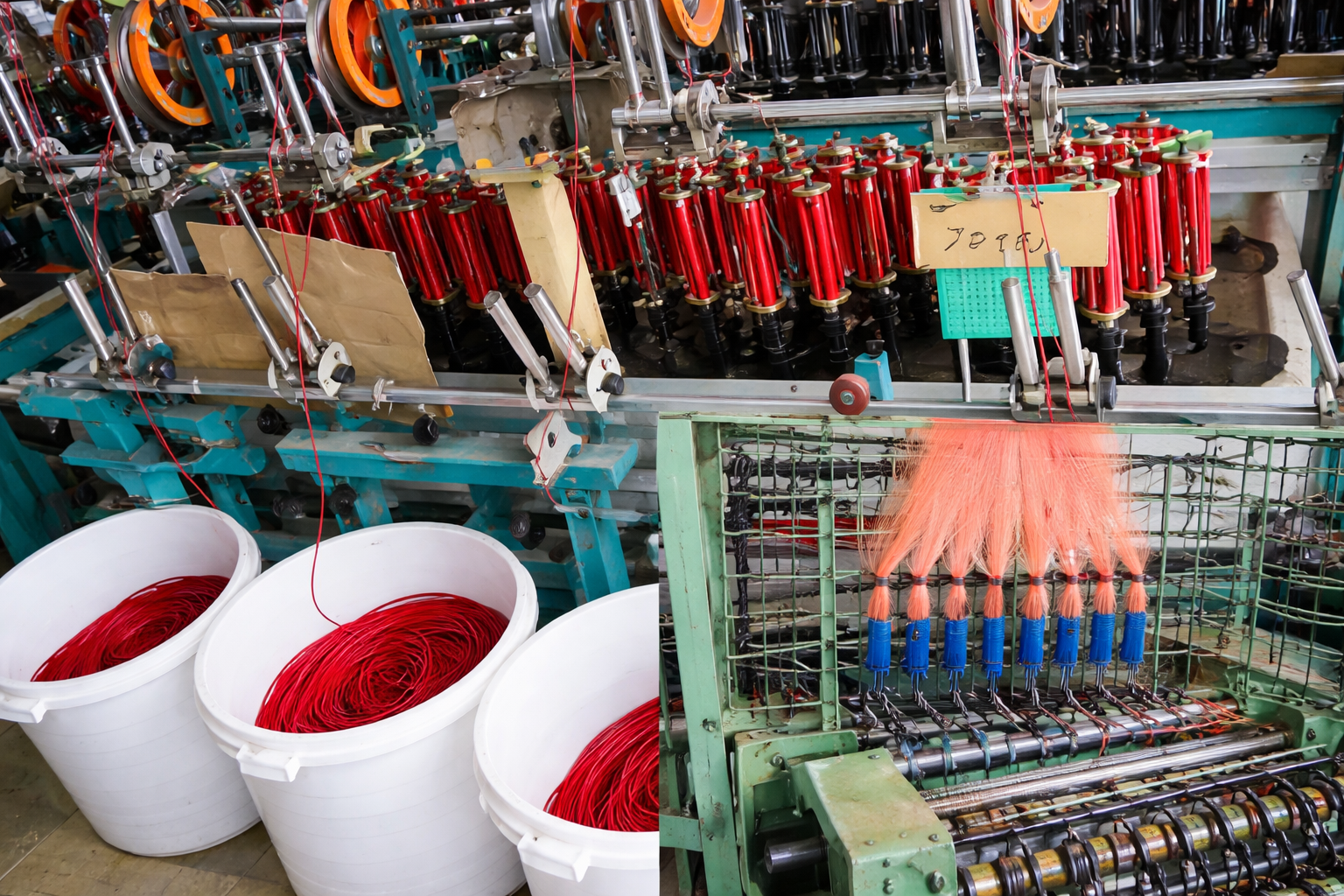
Material and Component Area
Show organized cable materials, connectors, protective parts, labels, and packaging components relevant to cable projects. Product identification and storage control should be visible. Avoid displaying materials that are not used for the fiber optic cable program being described.

Sample Development
Show prototype assembly, sample comparison, dimension checking, connector orientation review, or label verification. Images should connect the written sample process with real work rather than presenting finished products only.

Production Environment
Show the actual production area, operators, work instructions, tooling, and process organization related to the project. Do not use a fiber drawing tower, polishing line, test instrument, or automated system unless Cablivo owns and uses the equipment shown.

Inspection and Records
Show visual inspection, measurement, connector checks, product identification, packaging inspection, or available test equipment. Captions should explain what is being checked and avoid unsupported claims about optical performance or certification.

Packaging and Shipment
Show connector protection, controlled coiling, labels, SKU separation, cartons, carton marks, packing lists, warehouse organization, and shipment preparation. Images should demonstrate product protection and order accuracy.
From Approved Sample to Production and Shipment
After sample approval, the project enters material preparation, scheduling, production, inspection, packaging, and shipment coordination. Timing depends on approved specifications, component availability, quantity, testing, packaging, and capacity planning.
Final Requirement Release
Confirm the approved product version, quantities, SKU list, labels, packaging, inspection requirements, shipment destination, and commercial terms before production release. Open technical points should be closed or clearly recorded.
Material Preparation
Prepare fiber cable materials, connectors, protective parts, labels, packaging, cartons, and other approved components. Material availability and any required tooling affect the production schedule and should be confirmed before the delivery plan is finalized.
Production Scheduling
PMC and production management coordinate material readiness, line capacity, order priority, inspection time, packaging time, and shipment date. Production lead time is confirmed after the required inputs are available.
Manufacturing and Inspection
Production follows the approved project files and applicable process instructions. In-process and finished-product checks focus on the critical dimensions, assembly, appearance, identification, and project-specific requirements.
Packaging Confirmation
Before packing, confirm protective method, labels, barcode, SKU, quantity per package, carton mark, carton size, and destination instructions. Final packaging should correspond with the approved files and order list.
Shipment Coordination
Warehouse, shipping, documentation, and logistics communication support the packing list, carton information, forwarder requirements, export documents, and handover schedule according to the agreed Incoterm and destination arrangement.
Private Label, Multi-SKU and Protective Packaging Support
Brands, distributors, system integrators, and project suppliers often need several lengths, connector versions, labels, packaging formats, and carton groups in one order. Controlled files help keep every SKU recognizable and repeatable.

Model and Length Identification
Add model, length, project code, port, location, or internal part number.Confirm label content, size, material, position, and artwork version.Match identification with the order and packing list.

SKU List Management
Organize connector combination, length, label, packaging, quantity, and destination by SKU.Use one approved SKU table for quotation, production, inspection, packing, and repeat orders.Mark revisions before production release.

Barcode and Serial Files
Confirm barcode type, data source, print file, position, scan requirement, and duplication rule.Discuss serial or batch identification where required.Test printed labels before full production.

Individual Product Protection
Discuss protective caps, sleeves, bags, boxes, separators, fixing points, and coil size.Prevent connector impact, excessive bend, contamination, crushing, and movement during transit.Confirm packaging with an approved sample where needed.

Carton and Packing Control
Define quantity per carton, SKU separation, carton mark, carton number, gross weight, net weight, and carton size.Match packing information with warehouse receiving and forwarder requirements.Use clear outer identification for mixed orders.

Repeat-Order Files
Retain approved labels, packaging artwork, SKU list, packing method, and product version for replenishment.Confirm any change in quantity, destination, label, or packaging before a repeat order.Avoid using outdated artwork or carton instructions.
Supplier Review, Project Files and Confidential Communication
Large brands and procurement teams often need more than a quotation. Supplier assessment, engineering files, quality requirements, packaging documents, communication records, and confidentiality arrangements may be required before approval.
Supplier Review Support
Share the supplier-audit checklist or requested document list. Discuss company information, project flow, quality process, packaging control, and shipment coordination based on available records. Arrange remote or on-site communication according to project needs and company approval.
Project File Control
Organize drawings, specifications, BOMs, connector data, sample records, labels, packaging, testing instructions, and change notes. Confirm the latest approved version before sampling or production. Remove obsolete files from active production communication.
Confidential Communication
NDA requirements can be discussed before sensitive files are exchanged. Project information should be used for technical, quotation, sampling, production, quality, packaging, and delivery communication. Public materials should never reveal confidential drawings, customer names, logos, or proprietary product details without permission.
How to Evaluate a Custom Fiber Optic Cable Factory
A strong factory evaluation looks beyond product photos, broad capability statements, or a low unit price. The following criteria help brands and engineering teams compare technical fit, development support, production control, testing, packaging, documentation, and long-term supply readiness.
Evaluation Area
Questions to Ask
Evidence to Request
Product Fit
Does the factory understand the application, fiber requirement, connector, route, and environment?
Project review notes, relevant samples, capability statement
Engineering Review
Can the team identify missing or conflicting information before quotation?
Drawing checklist, confirmation list, revision record
Prototype Support
Can a prototype be developed, reviewed, revised, and linked to final files?
Sample plan, revision log, approval record
Component Control
Are connector, fiber, jacket, labels, and packaging tied to an approved specification?
BOM or component list, incoming inspection method
Testing Plan
Are test items, limits, equipment, sampling, and reports agreed before production?
Test plan, sample report, available equipment list
Production Consistency
How is the approved sample transferred into volume production?
Final specification, work instruction, version control
Traceability
Can the supplier identify order, batch, SKU, label, packaging, and inspection status?
Batch record, label system, inspection record
Packaging Protection
How are connectors, bend conditions, SKU, and shipment risks controlled?
Packaging sample, artwork, carton plan
Supplier Audit
Can company, process, quality, and documentation requirements be reviewed?
Audit response, factory evidence, quality process
Long-Term Supply
How are changes, repeat orders, material availability, and delivery planning managed?
Change procedure, repeat-order file, production plan
Typical Fiber Optic Cable Project Scenarios
The following scenarios illustrate how a project may be organized. They are not presented as named client case studies and contain no invented order quantities, performance results, or delivery claims.

Telecom Equipment Connection Program
Project Situation: A telecom equipment company needs a cable assembly matched to an equipment interface and installation route. Main Review Points: Connector model, fiber requirement, total length, route, protective parts, labels, test instructions, quantity, and packaging. Cablivo Support: Review available datasheets and interface photos, prepare a confirmation list, develop a prototype, record revisions, and organize the approved specification for production and packing discussion.

Multi-SKU Network Project
Project Situation: A network solution provider needs several lengths and connector versions packed by project or installation location. Main Review Points: SKU table, length tolerance, connector combination, port or location labels, barcode, quantity per SKU, packaging method, carton grouping, and packing list. Cablivo Support: Organize the product matrix, review label and packaging files, prepare samples for critical versions, and align production, inspection, packing, and repeat-order records with the approved SKU list.

Industrial Communication Replacement
Project Situation: An equipment manufacturer needs a replacement for an existing fiber optic connection used inside an industrial system. Main Review Points: Existing sample, mating interface, route dimensions, operating environment, movement, protection, product identification, acceptance criteria, and repeat-order consistency. Cablivo Support: Compare sample photos and available drawings, confirm missing details, discuss structure and protection, develop a prototype, and establish an approved reference for volume-production evaluation.
Downloadable Resources for a More Complete Fiber Cable RFQ
Structured files help engineering and procurement teams prepare the information needed for a faster technical review, a clearer quotation basis, and a more controlled sample process.
Fiber Optic Cable RFQ Checklist
A concise checklist covering application, fiber requirement, connector information, cable length, route, environmental conditions, testing, quantity, labels, packaging, and destination. Use it before sending the first inquiry or when comparing several manufacturing candidates.
Project Specification Template
An editable template for recording SKU, connector, fiber requirement, total length, tolerance, branch or breakout dimensions, label content, quantity, testing, packaging, and revision status. Suitable for new projects, replacement programs, and multi-SKU orders.
Testing and Packaging Requirement Sheet
A combined worksheet for defining acceptance criteria, sampling method, report needs, connector protection, coil size, individual packaging, barcode, carton quantity, carton mark, and shipment notes. Suitable for internal approval and supplier communication.
Custom Fiber Optic Cable Frequently Asked Questions
Answers below cover the main questions raised before quotation, sampling, production, testing, packaging, and repeat supply. Final specifications and commercial terms depend on the actual project.
What information is needed for a fiber optic cable quotation?
Provide the application, fiber requirement, connector model or mating interface, cable length, tolerance, route or bend information, drawing or sample photos, testing requirement, target quantity, labels, packaging, and destination. A quotation can begin from partial information, but unconfirmed items will be listed for review. Accurate product scope, component availability, tooling, inspection, and packaging information helps create a more reliable quotation.
Can Cablivo work from an existing sample or specification?
Yes. Existing samples, photos, drawings, BOMs, connector datasheets, interface photos, SKU lists, labels, and packaging files can be reviewed. A sample should not be copied from appearance alone. Connector identity, fiber requirement, dimensions, assembly direction, protection, testing, and packaging need confirmation. Sensitive files can be discussed under an NDA arrangement according to project requirements.
What parts of a fiber optic cable can be customized?
Project discussions may cover fiber requirement, connector type, cable length, tolerance, jacket material, protective structure, bend and routing requirement, labels, barcode, SKU, packaging, and testing. Final options depend on application, equipment interface, component availability, manufacturing feasibility, test method, tooling, quantity, and sample approval. No universal connector list or performance claim is applied to every project.
How is the connector configuration confirmed?
Submit the connector manufacturer, part number, datasheet, polish requirement, mating interface, equipment model, adapter information, orientation, or an approved sample. Cablivo reviews the information before sample preparation and identifies unclear points. A visual match is not sufficient when connectors have similar housings but different keys, polish, orientation, dimensions, or mating requirements.
What is the MOQ for a custom project?
MOQ starts from 500 pcs for many custom cable projects. The final MOQ depends on fiber and connector type, cable structure, material, protective or overmolded requirements, tooling, packaging, SKU quantity, component purchasing conditions, and total order volume. Share the target quantity and repeat-order plan so the most suitable production approach can be discussed.
How long does sample development take?
Sample development commonly takes around 5-7 working days after the specification, connector, material, sample quantity, and available test requirements have been confirmed. Complex structures, special components, tooling, packaging samples, or revision rounds can extend the schedule. Cablivo confirms a project-specific sampling plan after reviewing the available files and component readiness.
How is production lead time confirmed?
Bulk production commonly takes around 25-30 days after sample approval. Final timing depends on component availability, material preparation, order quantity, testing plan, packaging files, production capacity, and shipment requirements. Changes to connector, fiber requirement, labels, packaging, inspection criteria, or quantity may affect the schedule, so the final delivery plan is confirmed against the approved project version.
Can project-specific testing and reports be discussed?
Yes. Submit the test method, acceptance limits, equipment or standard, wavelength where relevant, sampling plan, and required report format. Cablivo reviews which inspections or tests can be completed internally, which need external support, and how records should be provided. Specific optical, environmental, mechanical, or certification claims are confirmed only after the exact requirement and available capability have been reviewed.
Can private-label, barcode, and multi-SKU packaging be supported?
Logo, model labels, length labels, SKU labels, barcode files, individual protection, bags, boxes, inserts, carton marks, and packing lists can be discussed. Submit artwork, barcode data, SKU list, quantity per version, packaging dimensions, destination requirements, and an approved reference where available. Packaging should protect the connector and bend condition while keeping every product easy to identify.
How does Cablivo support repeat orders?
Repeat orders can reference the approved sample, final specification, connector and material information, label files, packaging files, testing requirements, and SKU list. Any change in length, connector, fiber requirement, quantity, destination, labeling, packaging, or inspection should be reviewed before release. Controlled files and approved references help reduce unintended differences between production batches.
Start Your Fiber Optic Factory Review
Send the project information already available, even when several details still need confirmation. Useful inputs include the application, target equipment, fiber requirement, connector manufacturer and model, mating-interface photo, cable length, tolerance, routing or bend information, drawing, BOM, existing sample photos, test method, acceptance criteria, target quantity, SKU list, labels, packaging files, destination market, and expected schedule.
Cablivo will review the submitted information, identify missing points, and discuss the next suitable step for quotation, prototype development, sample revision, production planning, testing coordination, packaging, or shipment preparation. MOQ starts from 500 pcs for many custom cable projects, while final MOQ, sample schedule, production lead time, tooling, testing, and packaging arrangements depend on the approved project requirements.
Project documents are used for technical and commercial communication. NDA requirements can be discussed before sensitive drawings, specifications, or brand files are shared. For a faster response, include the connector datasheet, quantity per SKU, required test items, and destination country whenever available.