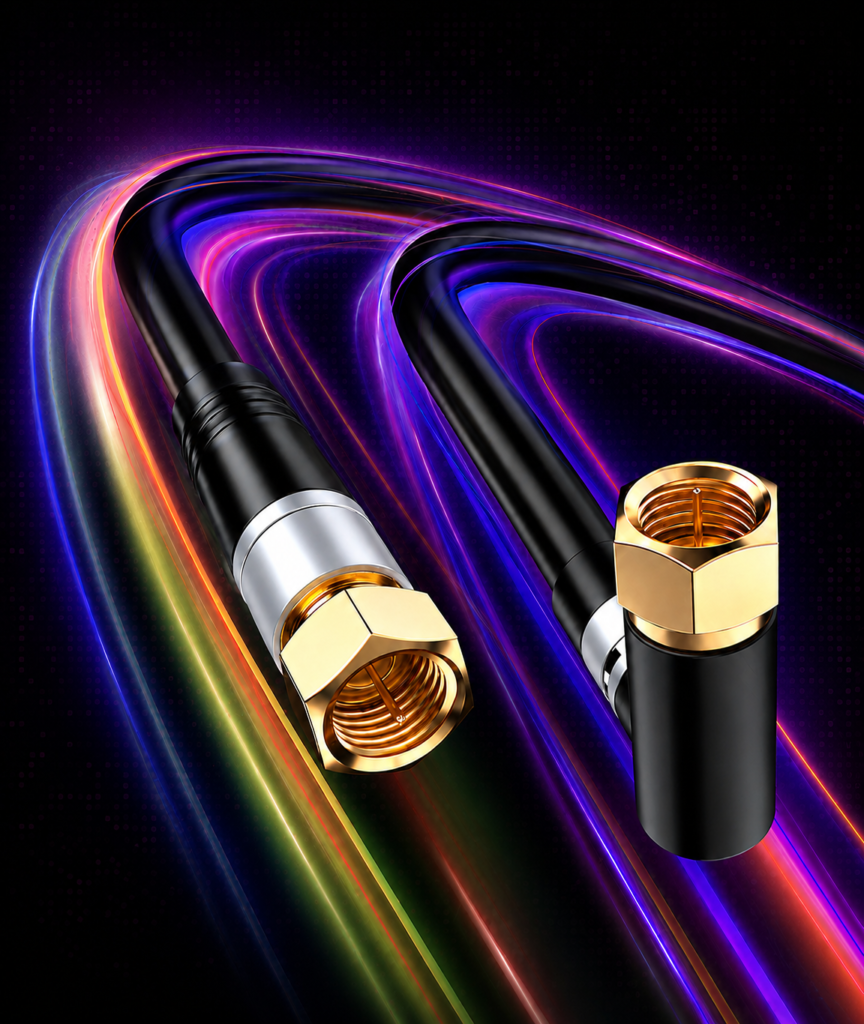
Custom Coaxial Cable Factory
Custom RF and coaxial cable assemblies for brands, engineering teams, telecom equipment and long-term supply programs.
Cablivo supports custom coaxial cable projects from connector confirmation and sample development to bulk production, testing discussion, packaging and shipment coordination.
- Custom SMA, BNC, TNC, N-Type, SMB, MCX, MMCX, U.FL and IPEX cable assemblies
- 50Ω and 75Ω coaxial cable projects reviewed according to application, connector and signal requirements
- Length, cable type, shielding, jacket material, labeling and packaging can be confirmed before sampling
- 18 years of cable manufacturing experience, 20000+㎡ factory space, 1500+ person team and 3 manufacturing bases
- MOQ starts from 500 pcs for many custom cable projects, depending on structure, connector, material and packaging
Coaxial Cable Projects Need More Than a Standard Supplier
A custom coaxial cable project often fails when connector, length, shielding, routing or packaging details are not confirmed early. Cablivo helps project teams review key risks before sampling and production.
Connector Mismatch
A coaxial cable can look correct on the outside while the connector detail is wrong. Interface series, gender, orientation, mounting direction, crimp method and mating device all need confirmation before quotation and sampling.
- Review connector model, datasheet and reference photos
- Confirm SMA, BNC, TNC, N-Type, SMB, MCX, MMCX, U.FL or IPEX requirements
- Check straight, right-angle, panel-mount or device-side assembly direction
- Reduce fit issues during sample testing and device installation
Wrong Cable Length
Length affects installation, packaging, routing, signal performance and final cost. A 5 cm cable inside a module and a 5 m RF jumper need very different production and inspection considerations.
- Confirm total cable length and tolerance
- Review routing space inside the final device
- Discuss coil packing, connector protection and label position
- Prepare length rules for multiple SKU programs
Unclear Impedance
Many RF and signal projects require 50Ω or 75Ω coaxial cable, but not every inquiry arrives with full electrical information. Early impedance confirmation helps prevent wrong cable selection.
- 50Ω projects are often linked with RF, antenna, test and communication use
- 75Ω projects are often linked with video, broadcast and signal transmission use
- Final selection depends on application, connector and device requirement
- Testing requirements should be discussed before sampling
Shielding Not Confirmed
Shielding affects signal stability, interference control and cable structure. A custom coaxial cable factory should not treat all shielding structures as the same.
- Discuss braid, foil, shielding coverage and cable flexibility
- Match shielding needs with device environment and installation method
- Review whether cable will be used near motors, wireless modules or industrial equipment
- Confirm material and construction before prototype work
Sample Differs From Bulk
A sample may pass early device testing, but bulk production can fail when material, connector, length or packaging files are not locked. Approved sample control matters for repeatable supply.
- Build sample based on reviewed project files
- Record connector, cable type, length, label and packaging rules
- Confirm final BOM before production preparation
- Use approved sample and final files as production reference
Connector Damage
RF and coaxial connectors are sensitive to bending, impact, dust and poor packing. For long-distance shipment, packaging design can be as important as the cable itself.
- Use connector caps when required
- Discuss coil diameter and bending protection
- Add label and SKU information without stressing cable ends
- Prepare carton marks for export shipment and warehouse handling
Coaxial Cable Manufacturing for Different Project Teams
Cablivo supports teams that need custom coaxial cable assemblies for equipment integration, brand programs, antenna modules, test systems and repeat production.
Telecom Equipment Teams
Telecom equipment programs often need repeatable coaxial cable assemblies with defined connector models, cable types, lengths and packing rules. Cablivo can support RFQ review, sample development and production preparation according to connector datasheets, drawings, samples and target quantity.
Antenna Module Teams
Antenna, wireless module and IoT projects often use small coaxial cables with U.FL, IPEX, MMCX, SMA or similar connectors. Routing space, cable flexibility, connector direction and device fit need early checking before samples are made
Test Equipment Projects
Test equipment projects may require RF jumper cables, repeat length control, connector protection and defined testing discussions. Cablivo can help prepare sample batches based on drawings, connector models, quantity plan and inspection requirements.
Industrial Device Makers
Industrial equipment may need coaxial cables for signal transmission, device connection or internal routing. Cable jacket, shielding, flexibility, connector reinforcement and carton packing should match installation environment and shipment requirements.
Brand Cable Programs
Brand cable programs need more than cable production. Logo rules, SKU labels, barcode files, color, retail or industrial packing, carton mark and repeat order files need to be managed with the cable specification.
Procurement Teams
Procurement teams need clear quotation information, stable sample records, production files and communication efficiency. Cablivo encourages RFQ files with connector model, cable type, length, impedance requirement, application, quantity and packaging plan.
Coaxial Cable Assemblies for RF, Signal and Device Projects
Different coaxial cable assemblies require different connectors, cable structures, lengths and packaging methods. Cablivo helps project teams review assembly details before sample development.

SMA Coaxial Cable
SMA coaxial cable assemblies are widely used in RF modules, antennas, wireless devices and test setups. Before sampling, Cablivo reviews connector gender, straight or right-angle orientation, cable type, total length, installation direction and packaging protection. Project teams can send SMA connector datasheets, device photos and old samples for checking.

BNC Coaxial Cable
BNC cable assemblies are often used in signal, test, video, instrument and communication applications. A correct BNC project needs connector type, impedance, cable length, jacket material and packing method confirmed early. Cablivo can support BNC cable assembly development for project-based production rather than spot cable resale.

TNC Coaxial Cable
TNC coaxial cable assemblies may appear in RF equipment, outdoor communication devices, industrial modules and testing applications. Threaded connector fit, cable diameter, strain relief and connector protection should be checked before production. Cablivo can review drawings, connector models and application notes before preparing sample work.

N-Type Cable Assembly
N-Type coaxial cable assemblies are often chosen for RF systems, antennas, outdoor equipment and communication infrastructure. Projects usually require clear connector selection, cable type, shielding structure and packaging protection. Cablivo can discuss quantity, length, connector caps, carton marks and export packing before bulk production.

SMB / SMC Cable
SMB and SMC cable assemblies may be used in compact RF equipment, board-level connections and device assemblies. Small connector details need careful handling. Cablivo can review mating device, connector direction, cable flexibility and sample photos before preparing prototype samples.

MCX Cable Assembly
MCX coaxial cable assemblies are often applied in GPS, wireless communication, modules, receivers and compact devices. Cable routing, connector mating, length tolerance and label position can affect assembly performance and production repeatability. Cablivo can record final files after sample approval.

MMCX Cable Assembly
MMCX cable assemblies are commonly used where compact size and stable RF connection are required. Cablivo can help review connector orientation, cable diameter, bending area and final installation space before sampling. Project teams should send device layout photos and cable routing notes where available.

U.FL / IPEX Cable
U.FL and IPEX micro coaxial cable assemblies are often used in antenna modules, wireless boards, IoT devices and compact electronics. Small connector handling, cable routing and packaging protection are important. Cablivo can discuss connector model, cable length, orientation, quantity and coil packing before sample production.

RF Jumper Cable
Custom RF jumper cables may be used in testing, telecom, antenna, signal or industrial systems. Cablivo can support jumper cable projects based on connector series, cable type, impedance requirement, length, jacket material, labeling and testing request. Repeat production files can be kept for long-term supply programs.
Connector Details Decide Cable Fit and Project Stability
The connector is often the most important detail in a coaxial cable assembly. Cablivo reviews connector model, gender, direction, mating interface and protection needs before sampling.

SMA Connectors
SMA connectors are common in RF, antenna, wireless and test applications. Project teams should confirm male or female type, straight or right-angle direction, mounting style, frequency requirement and cable size. Cablivo can review connector datasheets and old sample photos before quotation.

BNC Connectors
BNC connectors are widely used for signal, video, test and instrument connections. Key details include 50Ω or 75Ω requirement, connector body type, cable compatibility, pull strength and shipment protection. Clear connector information helps reduce sample mismatch.

TNC Connectors
TNC connectors use a threaded interface and may be selected for stronger mechanical connection in RF or outdoor equipment. Cablivo can check connector orientation, jacket compatibility, crimping or assembly method and packaging requirements before sample work begins.

N-Type Connectors
N-Type connectors are used in many RF, antenna and communication projects. Projects may require connector caps, larger cable diameter, proper strain relief and strong packing control. Cablivo can support specification review before bulk production.

SMB Connectors
SMB connectors are compact and often used in board-level or device-level RF connections. Small connector handling requires clear assembly direction and cable routing details. Project teams can provide board position, mating connector model and desired cable length.

MCX Connectors
MCX connectors are often used in GPS, wireless and module applications. Cablivo can help review connector model, cable diameter, length, coil packing and label position before sample preparation. Device photos are useful for checking installation direction.

MMCX Connectors
MMCX connectors are compact and suitable for tight internal device space. Project teams should confirm connector orientation, mating side, cable flexibility and bending area. Cablivo can produce samples after key connector details are reviewed.

U.FL / IPEX Connectors
U.FL and IPEX connectors are very small and often used for antenna modules. Handling, packing and cable routing need care. Cablivo can discuss connector model, length tolerance, cable type, board installation direction and protective packaging.

F-Type Connectors
F-Type connectors are often linked with 75Ω video, TV, broadband and signal transmission projects. Cablivo can review application, cable type, connector format, packaging and quantity before quotation. Final performance requirements should be confirmed according to project specifications.
Cable Structure Review Before Sampling and Production
Power cable accuracy starts with connector review. Similar-looking connectors may have different pinout, orientation, lock structure or mating requirements.
A coaxial cable assembly is not selected by connector shape alone. The internal structure affects signal behavior, flexibility, durability, installation and packing method. Cablivo reviews structure needs before sample development, especially when a project involves RF modules, telecom equipment, antenna systems, test devices or industrial signal connections.
The center conductor, dielectric insulation, shielding structure and jacket material need to match the intended application. A project team may already have a cable type, such as RG series, low-loss coaxial cable, micro coaxial cable or another specified structure. If the team has only old samples or device photos, Cablivo can help organize the first review around cable diameter, connector model, routing space, flexibility, shielding and quantity.
- Center conductor material and size requirement
- Dielectric insulation structure and cable diameter
- Shielding type, such as braid, foil or combined structure
- Jacket material, flexibility and color
- Connector termination method
- Device-side routing and bending space
- Packaging protection for connector ends
Key Coaxial Cable Specifications for Accurate Quotation
Clear project information helps Cablivo prepare a more accurate quotation, sample plan and production review.
Specification Item
What To Confirm
Why It Matters
Useful Files
Connector Series
SMA, BNC, TNC, N-Type, SMB, MCX, MMCX, U.FL, IPEX, F-Type or other type
Affects mating fit, cable compatibility, assembly method and cost
Connector datasheet, sample photo, mating device photo
Connector Direction
Straight, right-angle, panel-mount, bulkhead, board-side or device-side layout
Affects installation, routing and connector protection
Drawing, device layout, old sample photo
Cable Type
RG series, micro coax, low-loss coax, flexible coax or specified cable
Affects diameter, flexibility, shielding and signal requirement
Cable specification, BOM, old sample
Impedance
50Ω, 75Ω or project-defined requirement
Affects application matching and testing discussion
Technical requirement, device specification
Cable Length
Total length and tolerance
Affects installation, signal, packaging and quotation
Drawing, SKU list
Shielding Structure
Braid, foil, combined shielding or project-defined structure
Affects interference control and cable flexibility
Application note, sample photo
Jacket Material
PVC, TPE, TPU, PE or other material requirement
Affects flexibility, temperature, touch and environment fit
Material request, usage environment
Quantity
MOQ, prototype quantity, pilot run and bulk order plan
Affects pricing, tooling, production schedule and packing
Forecast, purchase plan
Testing Requirement
Continuity, connector fit, Hi-Pot, VSWR, insertion loss or project-defined test
Helps confirm inspection scope before production
Testing standard, target market request
Packaging
Poly bag, connector cap, label, carton mark, retail pack or export carton
Protects connector and supports warehouse management
Packaging artwork, barcode file, SKU list
Impedance Should Match Application and Device Requirements
50Ω and 75Ω coaxial cables serve different application groups. Cablivo reviews impedance requirements according to project files, device information and testing expectations.
Impedance
Common Application Direction
Typical Project Examples
What To Confirm
50Ω
RF signal, antenna, wireless communication, test equipment
SMA antenna cable, RF jumper cable, wireless module cable, lab test cable
Frequency range, connector type, cable type, length and test requirement
75Ω
Video, broadcast, TV signal, broadband and certain signal transmission projects
BNC video cable, F-Type cable, broadcast signal cable, monitoring system cable
Connector type, cable type, signal system, length and target market
Project-Defined
Special equipment or device-specific requirement
Industrial devices, custom instruments, system integration projects
Drawing, BOM, old sample and technical specification
Not Yet Confirmed
Early development or supplier replacement
New product development, old sample reproduction, device interface review
Application note, sample photo, mating device photo and engineering contact
From Drawing, BOM or Old Sample to Production-Ready Files
Use a split visual: left side shows drawing, BOM sheet, connector datasheet and old coaxial cable sample; right side shows a revised sample label, cable length note and connector detail close-up.
A strong coaxial cable project starts before sample production. Cablivo reviews project files to reduce avoidable errors in connector selection, cable length, assembly direction, shielding requirement, label position and packaging method.
Project teams may start with different levels of information. Some already have detailed drawings and BOM files. Some only have an old supplier’s sample. Some know the device interface but still need support choosing cable type, connector direction and packing method. Cablivo can organize the review around available project information and prepare a sample plan after key details are confirmed.
- Drawing and BOM check
- Connector model and datasheet review
- Old sample photo review
- Cable type and length confirmation
- Impedance and application discussion
- Shielding and jacket material discussion
- Sample quantity and packaging review
- Final file preparation after sample approval
Send Clear RFQ Files for Faster Coaxial Cable Review
Cablivo can quote and review faster when project teams send structured information. Full files are not always required at the first message, but key details help avoid repeated communication.
File or Information
Recommended Detail
Why Cablivo Needs It
Connector Model
Brand or model number, datasheet, gender, orientation
Confirms fit, assembly method and replacement availability
Cable Type
RG type, micro coax, low-loss cable or sample reference
Confirms structure, diameter, flexibility and cost
Cable Length
Total length, tolerance and SKU list if multiple versions
Confirms production, inspection and packing rules
Impedance
50Ω, 75Ω or device-defined requirement
Helps align cable and connector discussion
Application
Telecom, antenna, GPS, test equipment, video, industrial signal or device internal use
Helps review performance and structure direction
Sample Photos
Old sample front, connector close-up and full cable view
Helps reverse review when drawing is unavailable
Drawing / BOM
Cable drawing, pinout table if applicable, connector list and material note
Helps prepare production-ready records
Testing Need
Continuity, Hi-Pot, connector fit, VSWR, insertion loss, return loss or other requirement
Helps define inspection discussion before sampling
Packaging Plan
Poly bag, connector cap, label, barcode, carton mark or retail package
Protects connector and supports warehouse receiving
Quantity Plan
Prototype, pilot run, bulk order and annual forecast if available
Helps confirm MOQ, pricing and delivery plan
Prototype Samples Built From Reviewed Project Details
Reduce Cable Fit and Wiring Errors Before Sample Work
Cablivo treats coaxial cable samples as the starting point for stable production, not as a one-time display piece. A custom coaxial cable sample should verify connector fit, cable length, routing, appearance, label position, packaging and project-defined testing requirements.
- Project files are received and checked.
- Connector model, cable type, length and application are confirmed.
- Sample plan is prepared according to available files.
- Prototype samples are produced for review.
- Fit, appearance, length and test requirements are checked.
- Revisions are recorded if needed.
- Approved sample becomes a reference for bulk production.
Sample timing is usually around 5–7 working days after key specifications are confirmed, depending on connector availability, structure complexity, testing needs and packaging requirements. Projects requiring mold, overmolding or special tooling may require a longer preparation stage, often around 7–15 working days for tooling-related review after confirmation.
Cablivo recommends sending old sample photos, connector models and drawings early. Early review reduces sample revision cycles and helps move from prototype to production with fewer surprises.
Coaxial Cable Testing Should Match Project Requirements
Different coaxial cable projects need different inspection scopes. Cablivo discusses test requirements according to cable type, connector, application, target market and project specifications.
Test / Inspection Item
Purpose
When To Discuss
Continuity Test
Checks whether the cable assembly conducts properly
Most cable assembly projects
Short / Open Check
Helps identify broken, shorted or incorrectly assembled lines
Before sample approval and production
Connector Fit Check
Confirms mating with specified connector or device interface
Connector-sensitive projects
Appearance Check
Reviews jacket, connector, molding, label and visible finish
Brand and equipment projects
Cable Length Check
Confirms total length and tolerance
Multi-SKU and device routing projects
Hi-Pot / Insulation Test
Checks insulation performance according to project requirement
Power-related or defined inspection projects
Impedance Discussion
Reviews 50Ω / 75Ω or project-defined need
RF, video, signal and communication projects
VSWR Discussion
Used in some RF performance review scenarios
When required by engineering specification
Insertion Loss Discussion
Used in signal loss review for certain RF projects
When frequency and cable length matter
Return Loss Discussion
Used in selected RF performance evaluation
When specified by project team
Packaging Check
Confirms label, connector cap, bag, carton mark and packing quantity
Brand, distributor and export projects
Factory Capability Behind Custom Cable Production
Cablivo is the overseas-facing website brand of Shenzhen Tianxiaowei Electronics Co., Ltd., supporting custom cable, wire harness and cable assembly projects for overseas brands and engineering programs.
18 Years Experience
Cablivo’s team has 18 years of cable manufacturing experience. For custom coaxial cable projects, experience matters because every detail affects quotation, sampling and production repeatability. Connector model, cable type, jacket, shielding, length, packaging and inspection requirements must be reviewed as a whole. A project-based factory should understand how early specification errors can affect later production.
20000+㎡ Factory Space
20000+ square meters of factory space gives Cablivo a manufacturing base for custom cable, wire harness, cable assembly, molded cable and packaging-related operations. For coaxial cable projects, sufficient space supports organized production, material handling, sample preparation, inspection, packing and shipment coordination across different project types.
1500+ Person Team
A 1500+ person team supports coordination among engineering, production, quality, procurement, warehouse, sales, export and order follow-up work. Custom coaxial cable programs often require several departments to keep connector sourcing, sample revision, final BOM, testing discussion and packaging files aligned before bulk production.
3 Manufacturing Bases
Cablivo’s 3 manufacturing bases help support multi-project production and long-term supply programs. Overseas brands often need a partner able to handle sample batches, pilot orders, repeated production and SKU extensions. A multi-base manufacturing foundation improves project coordination compared with small trading operations.
80+ Injection Machines
80+ injection molding machines support molded cable, overmolded cable, connector protection and strain relief related projects. For coaxial cable assemblies requiring molded parts, connector reinforcement or special outer structure, molding capability can become an important part of the project discussion.
Export Project Support
Cablivo serves overseas markets including Europe, North America, South America, Oceania and other project markets. Export project support includes packaging discussion, carton mark, label, quantity plan, shipment coordination and communication with overseas project teams during sample and production stages.
Shielding Structure Matters in Coaxial Cable Projects
Shielding is one of the reasons coaxial cable is selected for RF, signal and communication applications. The shielding layer can help support signal stability, reduce interference concerns and protect the inner structure. For custom projects, shielding should be discussed together with cable type, flexibility, outer diameter, connector compatibility and application environment.
Cablivo can discuss shielding-related requirements for projects involving RF modules, antenna systems, telecom equipment, industrial devices, video systems and test applications. A simple inquiry such as “need coaxial cable” is often not enough. The project team should confirm whether the cable needs braid shielding, foil shielding, combined structure, flexible routing, tight bending or special jacket requirements.
- Shielding structure and application environment
- Cable flexibility and bending area
- Outer diameter and connector compatibility
- Jacket material and color
- Installation route inside or outside the device
- Packing method to avoid damaging cable shape or connector ends
Jacket Material Should Fit Application and Handling Needs
Coaxial cable jacket material affects appearance, flexibility, abrasion resistance, temperature suitability, touch feel and packaging method. Cablivo reviews material needs according to application and production feasibility.

PVC Jacket
PVC is widely used for many cable applications because it offers balanced cost, processing stability and general mechanical protection. For coaxial cable assemblies, PVC may be suitable for indoor equipment, signal cables, video cables and general connection projects. Project teams should confirm color, flexibility, diameter and target market requirements before sampling.

TPE Jacket
TPE can be considered where a softer touch, better flexibility or improved handling feel is needed. For compact device cables, antenna cables or branded cable programs, jacket feel may affect end-user experience and product positioning. Cablivo can discuss TPE feasibility according to cable structure and connector requirement.

TPU Jacket
TPU may be discussed for projects needing better abrasion resistance or stronger jacket performance. Some industrial, outdoor or repeated-handling applications may require tougher material choices. Final material selection should be reviewed according to cable type, connector structure, application environment and target cost.

PE Jacket
PE can be discussed for certain coaxial cable structures and signal cable applications. Material choice should not be made only by cost. Cablivo reviews insulation, jacket use, cable structure, handling and application environment before recommending direction.

Flexible Jacket
Flexible routing matters for antenna modules, compact devices, test setups and equipment integration. A cable that is too stiff may create installation pressure near the connector. Cablivo can discuss flexibility requirements based on cable route, length, connector direction and bending space.

Color and Marking
Color, printing, label and marking may be needed for SKU management, warehouse sorting, installation direction or brand programs. Cablivo can discuss cable color, printed text, label position, barcode and carton mark along with packaging requirements.
Connector Ends Need Careful Assembly and Packing
The connector end is one of the highest-risk areas in a coaxial cable assembly. A cable can use the right connector series and still fail if termination, protection, bending direction or packing is not handled correctly. For RF and signal cable projects, connector fit, mechanical stability and clean handling are critical during sample approval and bulk production.
- Crimped connector assembly
- Soldering or project-defined termination
- Heat shrink protection
- Molded strain relief when required
- Connector cap or dust protection
- Label position near connector
- Cable bending direction after installation
- Packing method for shipment
For projects involving SMA, BNC, TNC, N-Type, SMB, MCX, MMCX, U.FL, IPEX or F-Type connectors, Cablivo recommends sending connector datasheets, old sample photos and application details before quotation. Connector protection should also be discussed before bulk production, especially for small RF connectors and long-distance export shipment.
Coaxial Cable Assemblies for Signal and Equipment Projects
Custom coaxial cable assemblies are used across RF, video, communication, test, antenna and industrial systems. Cablivo reviews each project according to device requirements and final installation conditions.

Telecom Equipment
Telecom equipment projects may require stable RF cable assemblies, defined connector series, cable routing and packaging rules. Project teams should provide cable type, connector model, length, impedance requirement and test expectations before sample work.

Antenna Modules
Antenna projects often use SMA, MMCX, MCX, U.FL or IPEX cables. Length, routing, connector direction and board-side installation need clear review. Cablivo can discuss small coaxial cable assemblies according to device layout and sample photos.

IoT Devices
IoT devices often have compact internal space, antenna connections and strict routing requirements. Cablivo can review cable flexibility, connector size, board location and coil packing. Small connector protection should be discussed early.

GPS Systems
GPS-related projects may need coaxial cable assemblies for antennas, modules or receivers. Connector selection, cable length, signal direction and installation environment should be confirmed. Project teams can submit old samples or connector information for review.

Test Equipment
Test equipment may require RF jumper cables, consistent length, connector protection and defined inspection requirements. Cablivo can support sample batches and production preparation according to connector, cable type, quantity and test request.

Video Security
Video security and monitoring systems may use BNC, F-Type or other coaxial cable assemblies. Projects should confirm impedance, cable length, connector type, jacket material and packing. Cablivo can discuss industrial or export packing when needed.

Industrial Control
Industrial control equipment may need coaxial cables for signal routing, device connection or internal harness integration. Jacket material, shielding, connector protection and cable route should be reviewed before sample production.

Communication Modules
Communication modules often need compact RF connections and repeatable cable assemblies. Cablivo can review connector models, cable routing, sample photos and production files to support stable repeat orders after sample approval.

Internal Device Connection
Device internal coaxial cable assemblies may require short length, small connectors, controlled bending and careful handling. Cablivo can review routing space, connector direction, label position and packing method before producing samples.
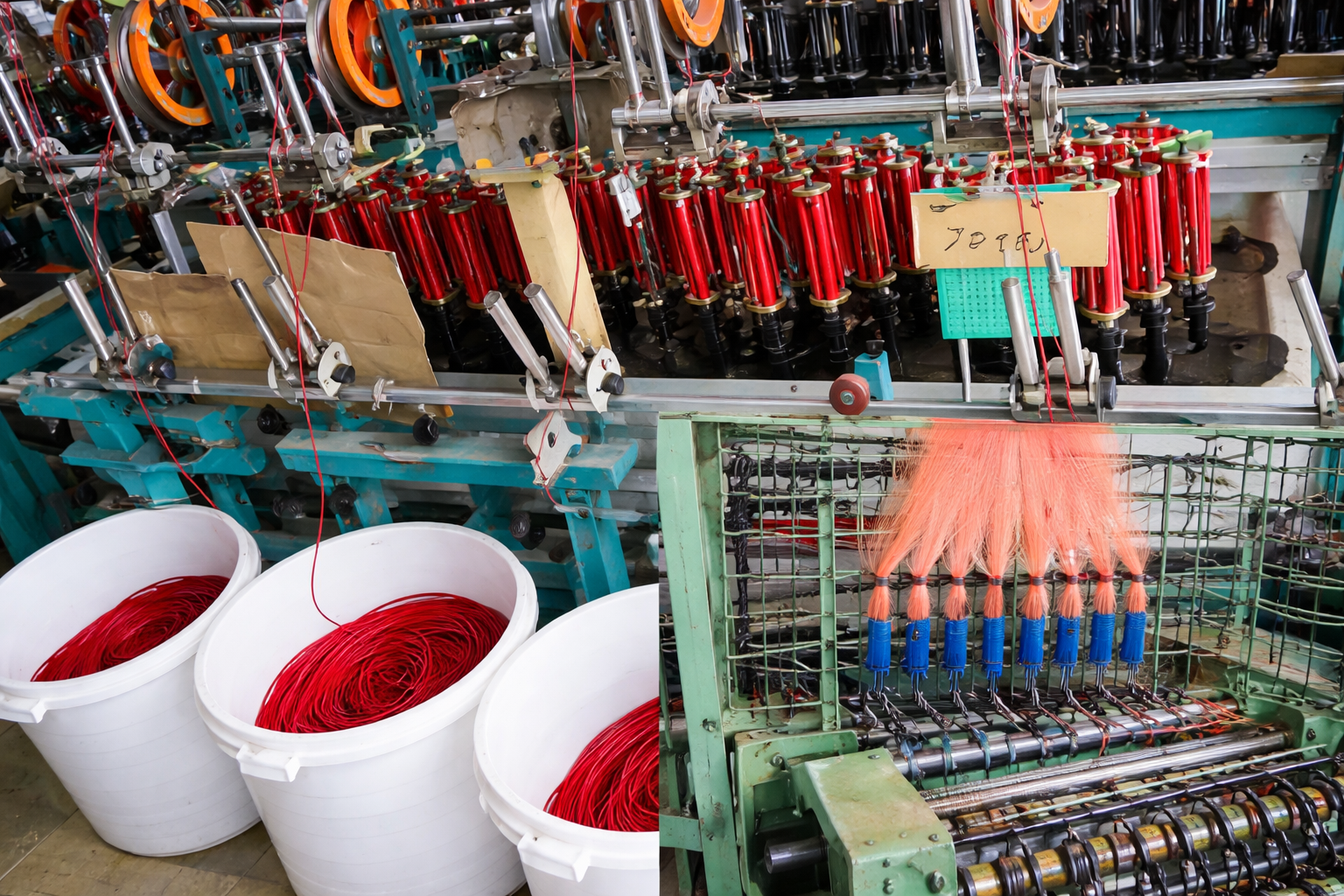
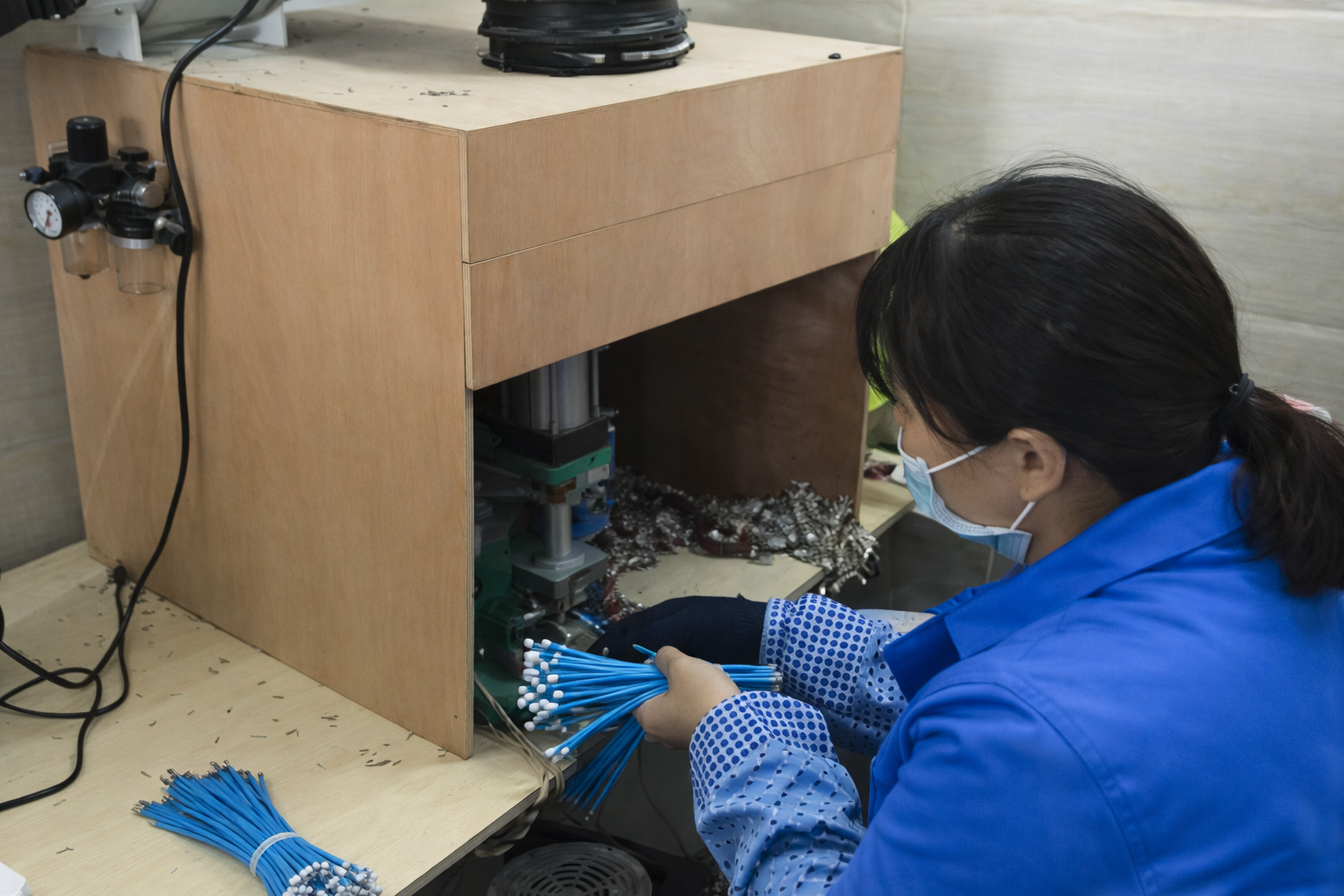
Production Process for Power Cable Assemblies
Power cable production may include cutting, stripping, crimping, soldering, overmolding, assembly, testing, labeling and packaging, depending on cable structure.
Typical production flow:

Material and connector preparation

Cable cutting and stripping
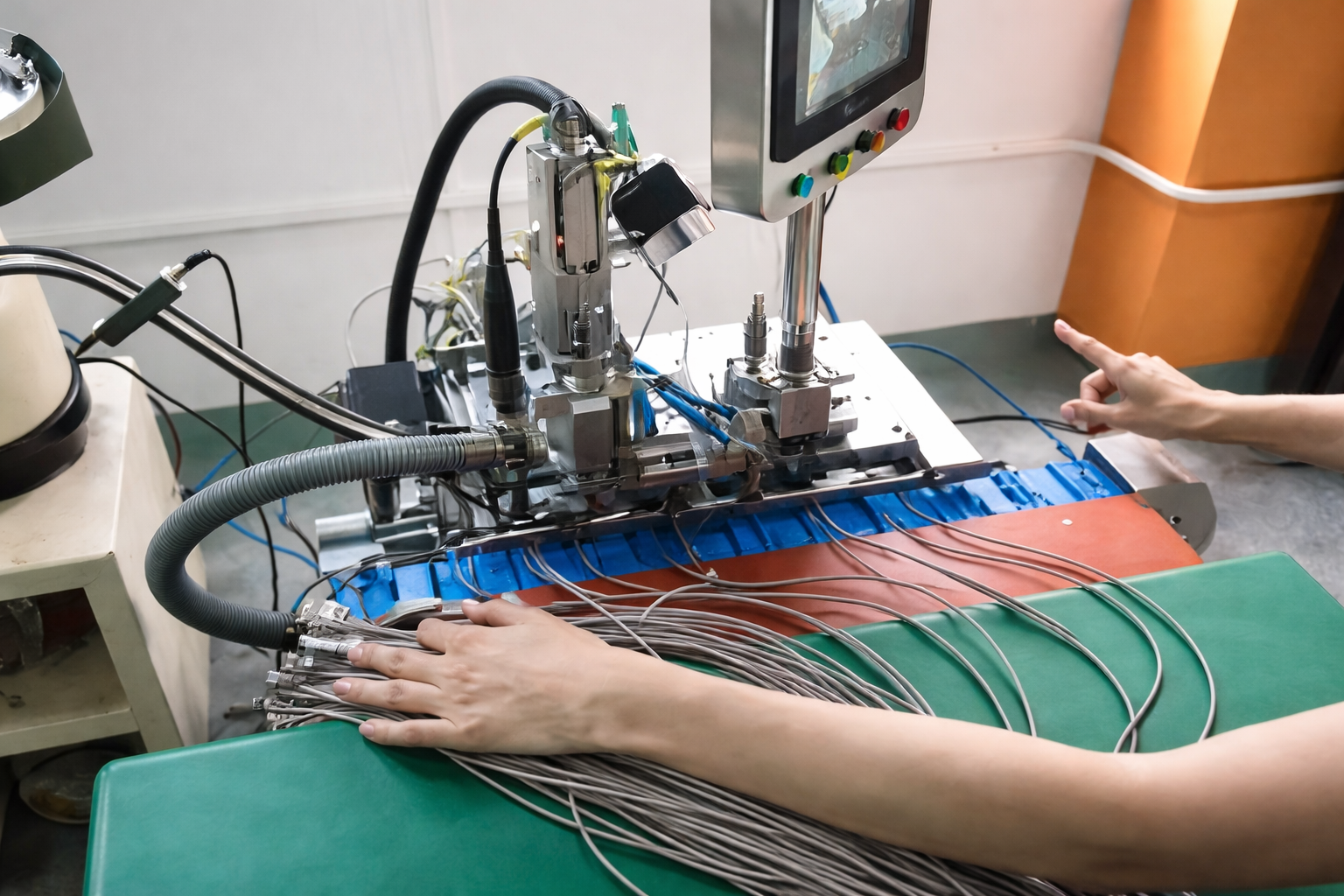
Terminal crimping or soldering

Injection Molding / Connector Assembly
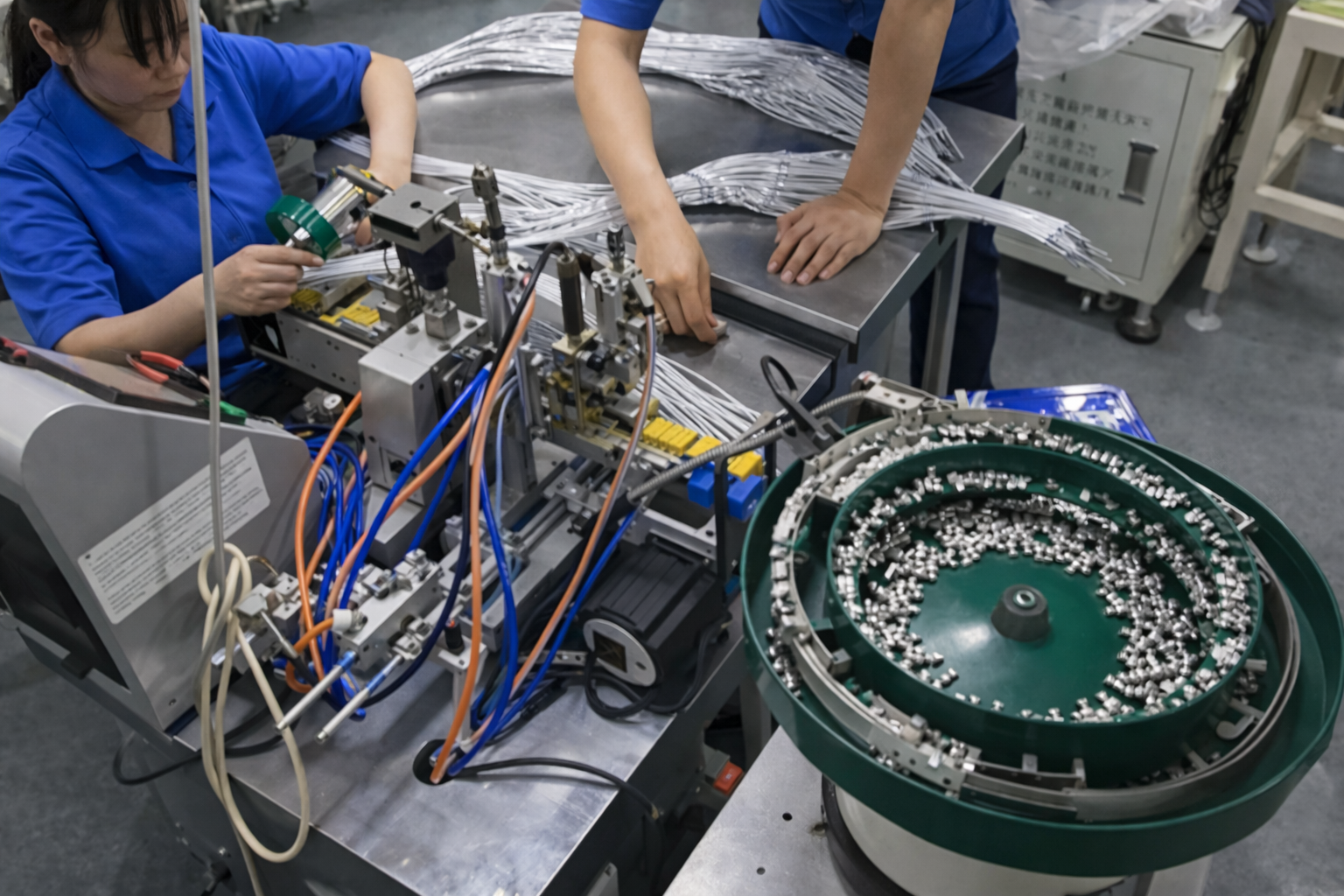
Connector assembly
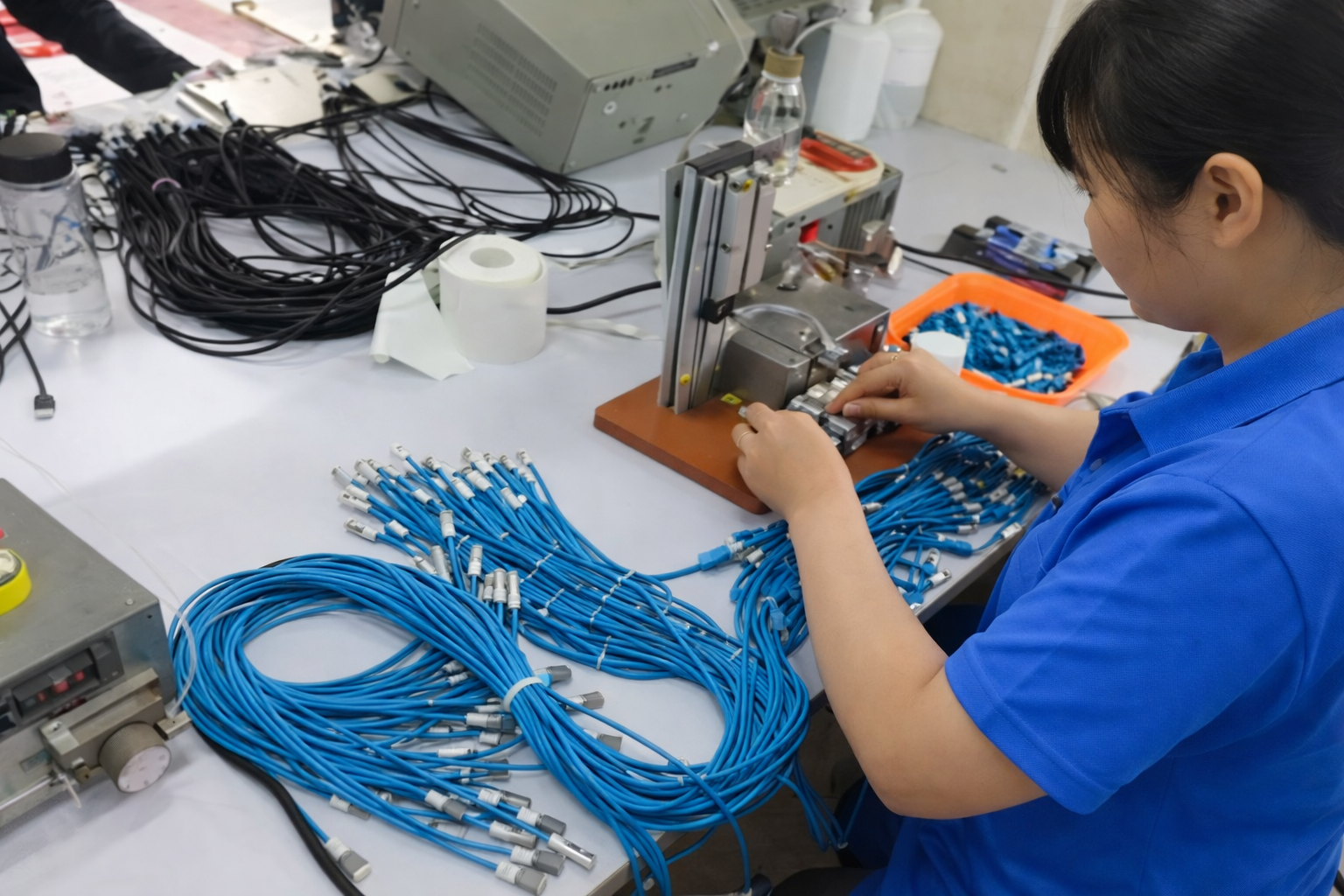
Sleeve, heat shrink or overmold processing
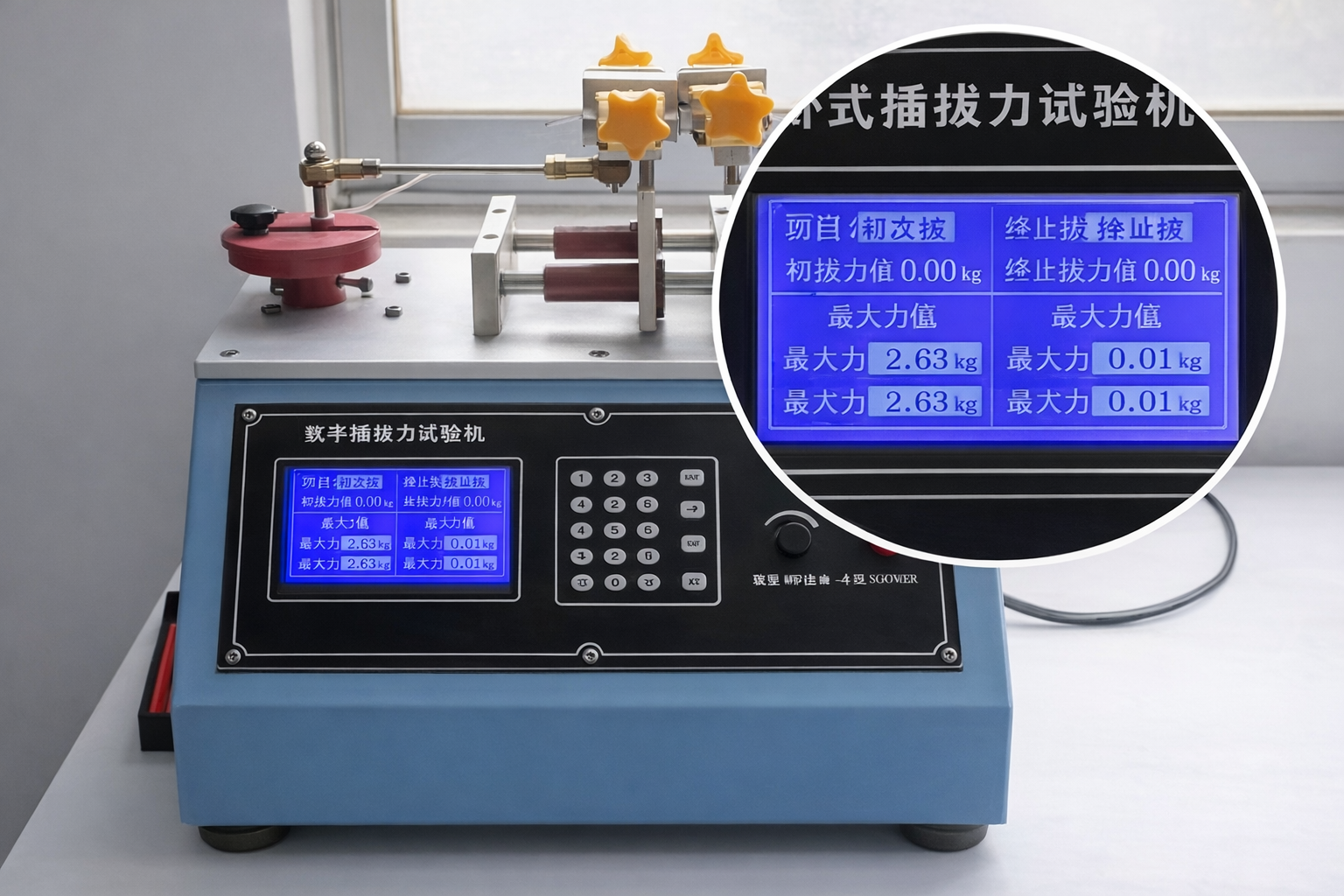
Continuity, polarity or fit check
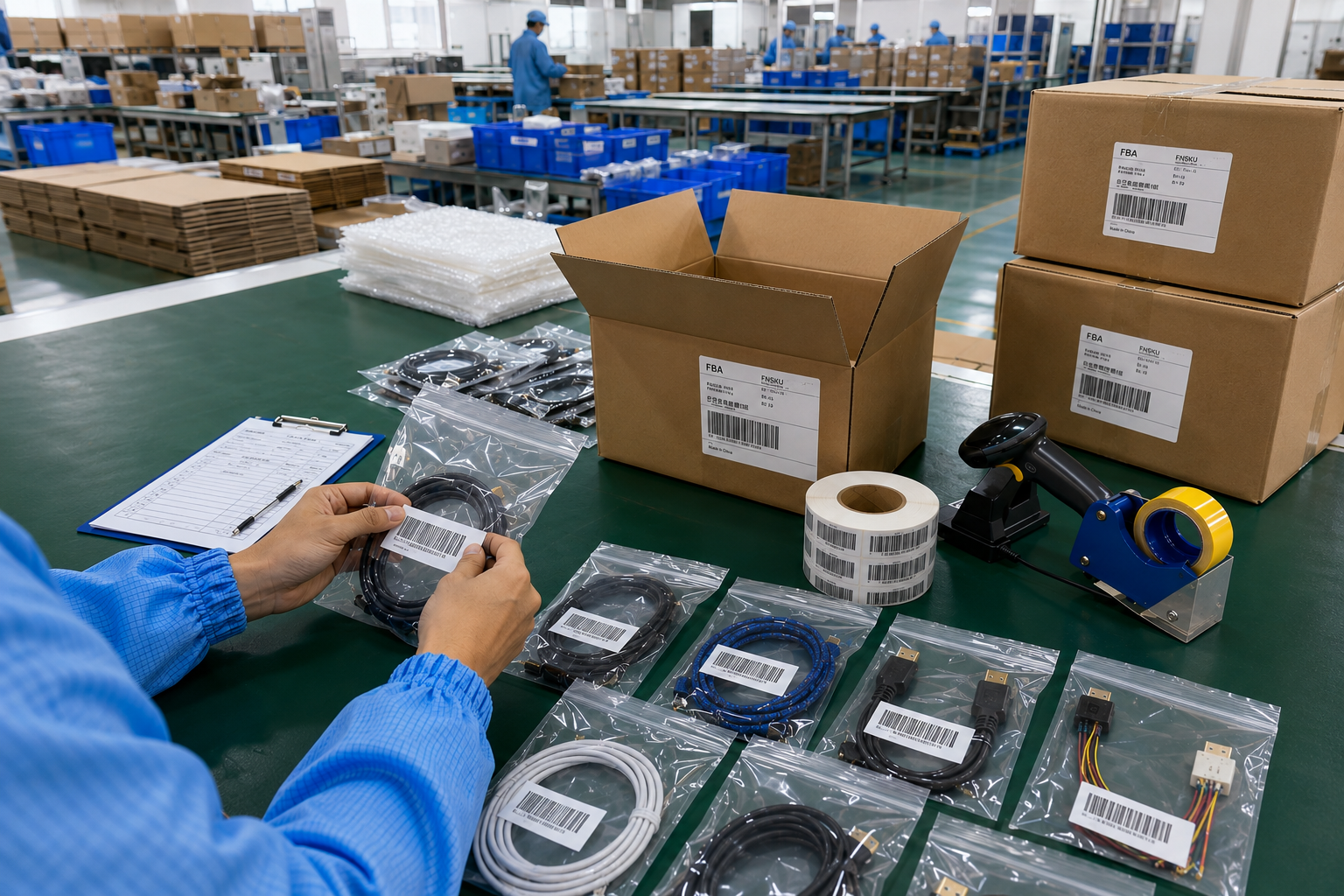
Appearance and label inspection

Packing, carton mark and shipment preparation
Packaging Should Protect Connectors and Support SKU Control
Coaxial cable connectors can be damaged by bending, dust, impact or poor packing. Cablivo discusses packaging during sample and production stages, especially for export and multi-SKU programs.

Connector Caps
Connector caps help protect sensitive connector ends during handling and shipment. They may be used for SMA, N-Type, TNC and other connector types when required by project specifications. Cablivo can discuss cap use, cap color and packing method before production.

Poly Bag Packing
Poly bags are often used for individual cable assemblies. They can support label placement, SKU sorting and warehouse receiving. For custom coaxial cable programs, bag size should match cable coil size and connector protection needs.

Coil Packing
Cable coil diameter should avoid excessive bending near connector ends. Long coaxial cables and RF jumper cables may require defined coil method. Cablivo can discuss coil size, tie method and bag or carton arrangement before bulk shipment.

SKU Labels
SKU labels help brand teams, importers and warehouses identify length, connector type, color, model or batch. Cablivo can apply label rules according to supplied SKU list, barcode file and packaging instruction.

Carton Marks
Carton marks support export shipment, warehouse handling and receiving checks. Cablivo can discuss carton size, gross weight, model number, quantity per carton and marking rules before production packing.

Retail or Project Pack
Some projects require retail box, insert card, branded bag or installation kit. Others need simple industrial pack. Cablivo can review packaging artwork, barcode, label position and carton requirements along with the cable specification.
Manage Length, Connector and Label Variations Clearly
Brand programs, distributors and equipment projects often involve several coaxial cable SKUs. A clear SKU table helps prevent mixed packing, wrong labels and repeat order confusion.
SKU Item
Example Detail
Production File Needed
Packing Note
SKU Code
RF-SMA-010, BNC-050, IPEX-150
SKU list or model table
Printed on label or bag
Connector A
SMA male straight, BNC male, U.FL plug
Connector datasheet
Confirm orientation
Connector B
SMA female right angle, N-Type, open end or device-side connector
Drawing or sample photo
Protect connector end
Cable Type
RG series, micro coax, low-loss cable or specified type
BOM or sample reference
Keep cable type in final file
Length
100 mm, 300 mm, 1 m, 3 m or custom size
Length table
Coil method depends on length
Color
Black, white, gray or project-defined color
Color request or sample
Confirm before production
Label
Barcode, SKU label, warning label or brand label
Barcode file and artwork
Place without bending connector
Quantity
500 pcs, 1000 pcs, 3000 pcs or forecast plan
Order breakdown
Supports MOQ and production plan
Carton
Quantity per carton, carton mark, export mark
Packing instruction
Helps warehouse receiving
Project-Based Factory Support Instead of Simple Cable Resale
Cablivo is positioned for custom cable, wire harness and cable assembly projects, not personal small orders or low-end spot cable resale.
Comparison Point
Ordinary Cable Seller
Cablivo Project-Based Cable Factory
Main Focus
Standard cable stock and simple resale
Custom cable, wire harness and cable assembly projects
Project Start
Price request based on product name
Drawing, BOM, connector model, sample photo and application review
Coaxial Cable Support
May offer common cable types only
Reviews connector, cable type, length, shielding, packaging and testing requirements
Engineering Review
Limited or not available
Supports drawing review, BOM check, sample review and connector confirmation
Sample Work
May provide available sample
Develops sample according to reviewed project information
Bulk Production
Stock supply or basic assembly
Approved sample, final BOM and production file-based preparation
Testing Discussion
Basic function check
Inspection scope discussed according to project specifications
Packaging
Generic packing
SKU label, barcode, connector protection, carton mark and export packing discussion
Long-Term Supply
Depends on stock availability
Repeat order files and project records can be maintained
Suitable Projects
Simple standard purchases
Brand programs, engineering projects, supplier replacement and long-term supply
Evaluation Checklist for Coaxial Cable Manufacturing Partners
A strong custom coaxial cable factory should help project teams control connector, structure, sample, testing, production and packing risks.
Evaluation Point
What To Check
Why It Matters
Factory Identity
Manufacturing history, team, facility and project focus
Helps avoid low-control trading sources
Coaxial Product Range
RF jumper, SMA, BNC, TNC, N-Type, MMCX, U.FL, IPEX, antenna cable
Shows whether the supplier understands coaxial assembly work
Connector Review
Connector model, gender, direction and datasheet check
Reduces mating and installation risk
Cable Structure Discussion
Impedance, shielding, jacket, flexibility and cable diameter
Helps match application and routing need
Drawing / BOM Review
Ability to review drawings, samples and BOM files
Supports project-based manufacturing
Sample Development
Prototype, sample revision and approved sample control
Helps move from design to production
Testing Discussion
Continuity, fit, Hi-Pot, VSWR, insertion loss or project-defined tests
Aligns inspection scope with project requirements
Production Control
Final BOM, approved sample and production records
Supports repeatable bulk supply
Packaging Control
Connector caps, SKU label, barcode, carton mark and export packing
Protects connectors and reduces warehouse errors
Long-Term Support
Repeat order files, SKU management and shipment coordination
Supports brand programs and supplier replacement
Frequently Asked Questions About Custom Coaxial Cable Factory
Below are common questions from brands, engineering teams and procurement teams before starting a custom coaxial cable or RF cable assembly project.
What information is needed for a custom coaxial cable quotation?
Please send connector model, cable type, length, impedance requirement, application, quantity, sample photos, drawing or BOM if available, testing request and packaging requirement. Clear files help Cablivo prepare a more accurate quotation and sample plan.
Can Cablivo make custom SMA, BNC or TNC coaxial cables?
Yes. Cablivo can discuss custom coaxial cable assemblies using SMA, BNC, TNC, N-Type, SMB, MCX, MMCX, U.FL, IPEX, F-Type and other connectors according to project requirements and connector availability.
Does Cablivo support 50Ω and 75Ω coaxial cable projects?
Cablivo can review 50Ω and 75Ω coaxial cable requirements according to application, connector model, cable type and testing request. Final structure and performance requirements should be confirmed through project files before sample production.
Can Cablivo build samples from an old coaxial cable?
Yes. Old samples, connector close-up photos, cable length, device photos and application notes can help Cablivo review replacement projects. A drawing or BOM is still recommended when available.
What is the MOQ for custom coaxial cable assemblies?
MOQ starts from 500 pcs for many custom cable projects. Final MOQ depends on connector type, cable structure, material, overmolding requirement, tooling need, packaging plan, SKU quantity and order volume.
How long does sample development usually take?
Many sample projects take around 5–7 working days after key specifications are confirmed. Projects involving special connectors, tooling, overmolding, unusual cable structures or extra testing may need more time.
Can Cablivo support bulk production after sample approval?
Yes. Cablivo supports custom cable projects from reviewed sample to bulk production. Approved sample, final drawing, BOM, connector model, packaging file and inspection requirements should be confirmed before production preparation.
What testing can be discussed for coaxial cable projects?
Testing may include continuity, short/open check, connector fit, appearance, length, Hi-Pot, impedance discussion, VSWR, insertion loss, return loss or other project-defined items. Testing scope depends on application and specifications.
Can Cablivo provide packaging, labels and carton marks?
Yes. Cablivo can discuss poly bag, connector cap, SKU label, barcode label, carton mark, retail packaging, export carton and other packaging requirements according to supplied files and project needs.
Can Cablivo protect project drawings and brand information?
Cablivo supports overseas project cooperation and can discuss NDA needs for drawings, BOM files, samples, connector information, brand files and packaging artwork before project development.
Send Coaxial Cable Specs for Engineering Review
Cablivo supports custom coaxial cable and RF cable assembly projects for brands, engineering teams, telecom equipment, antenna modules, industrial devices, test equipment and long-term supply programs.
For faster review, please send connector model, cable type, cable length, impedance requirement, application, quantity, sample photos, drawings, BOM files, testing requirements and packaging details. If your project is replacing an existing supplier, old sample photos and connector close-ups will help our team review structure and fit before sample development.
MOQ starts from 500 pcs for many custom cable projects. Sample timing is usually around 5–7 working days after key specifications are confirmed. Bulk production timing is commonly around 25–30 days after approved sample, final files and order details are confirmed, depending on connector availability, material preparation, quantity, packaging and inspection requirements.
Cablivo can help organize your project from specification review and sample development to production preparation, inspection discussion, packaging and shipment coordination.